A film that will be easy to remember December 2025 by has finally arrived
The long-awaited third installment of James Cameron’s Avatar series
Avatar: Fire and Ash
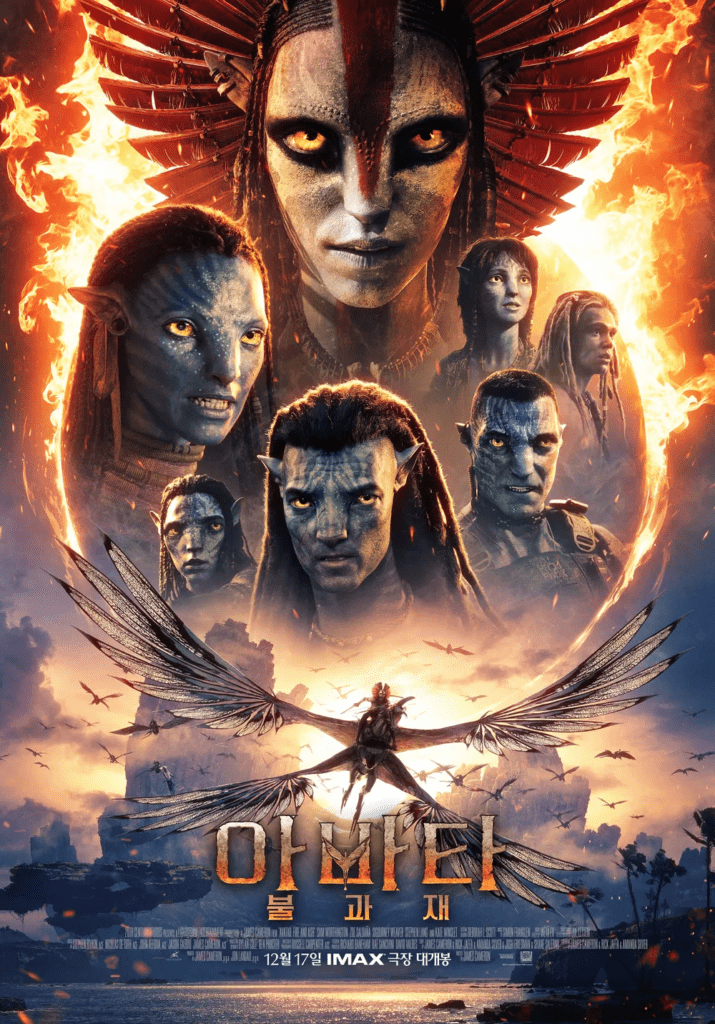
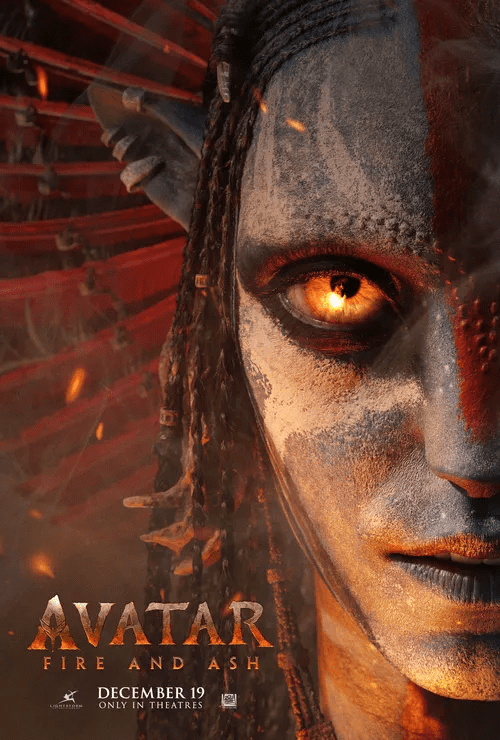
I watched it in IMAX 3D
It had been so long since I’d last seen a movie with 3D glasses on
that the first three minutes felt genuinely awkward
I kept lifting the glasses on and off,
comparing the real screen to what I was seeing through the lenses
The discomfort didn’t last long
Before I knew it,
I was completely absorbed—
in awe of the sheer technical achievement and the visuals
And just like that,
I found myself back on Pandora
(If conditions allow, I highly recommend watching it in 3D 😎)
(❌ No post-credit scenes ❌)
There may be light spoilers from this point on,
so please proceed with caution
The more I like a movie,
the more information about it naturally finds its way to me
Partly because of the damn YouTube algorithm,
and partly because I actively go looking for it
I had already watched Avatar (2009)
and Avatar: The Way of Water (2022) back when they were released
But recently,
I rewatched the previous films once again—
and before seeing this one,
I also watched
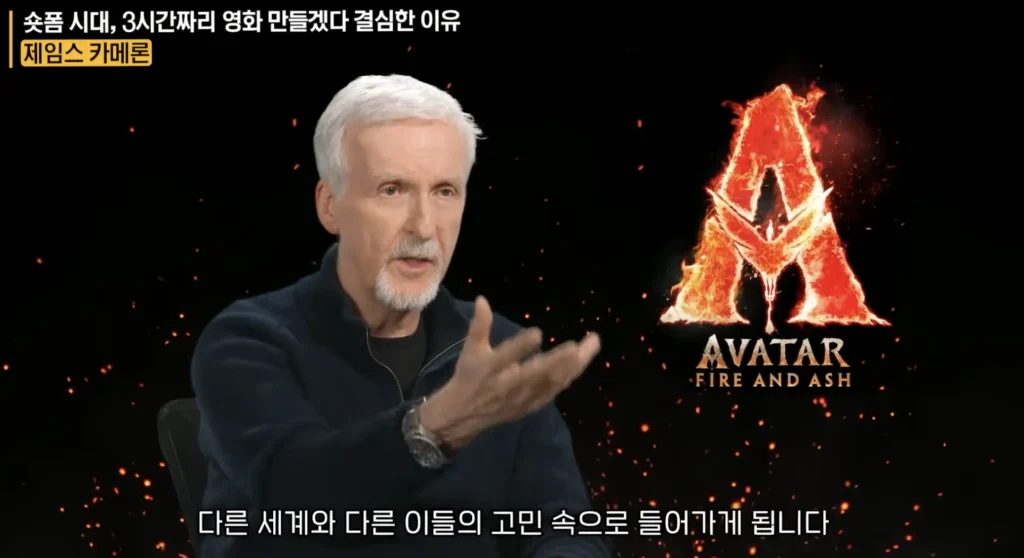
Lee Dong-jin’s Avatar: Fire and Ash – Guide Review on the Paikakia channel,
along with several interviews related to the film’s promotion
Only after all that
did I finally head to the theater

Even though this is the third installment,
it’s a film you can fully enjoy
without having seen the original or the previous sequel
It clearly connects to the earlier entries,
yet it doesn’t rely on them
standing firmly on its own as a complete work
— A massive, meticulously built world
paired with the rare independence of a sequel,
made accessible as a truly mainstream film —
Trying to sum up Avatar: Fire and Ash in a single sentence
almost feels inadequate
that’s how extraordinary it is
No matter how immersive a theater experience is,
there’s usually a moment
when you become aware of reality again
But maybe it was because
I hadn’t worn 3D glasses in so long
or maybe it was the sheer spectacle of the visuals
I found myself completely wandering inside the film
hoping, quietly,
that it wouldn’t end
The filming period for Avatar: Fire and Ash
is known to have run from September 2017 to September 2020
It was shot consecutively alongside The Way of Water
And the story of Fire and Ash
begins directly from the ending point
of The Way of Water
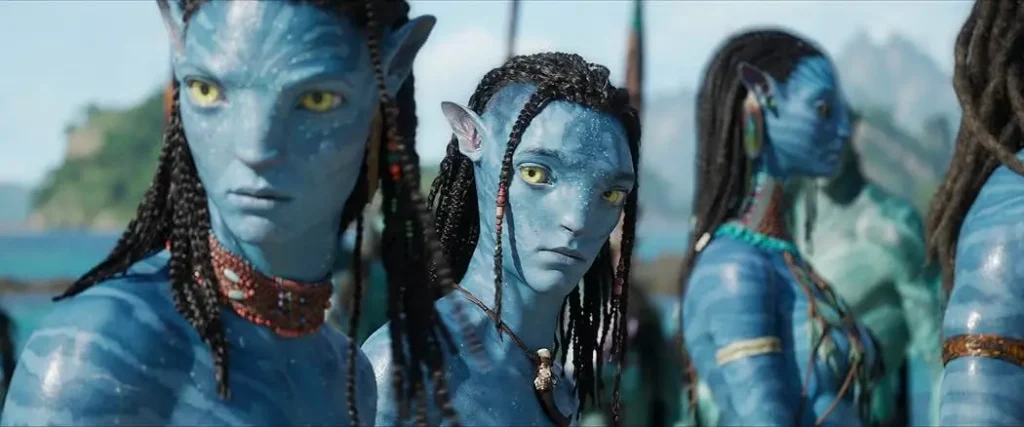
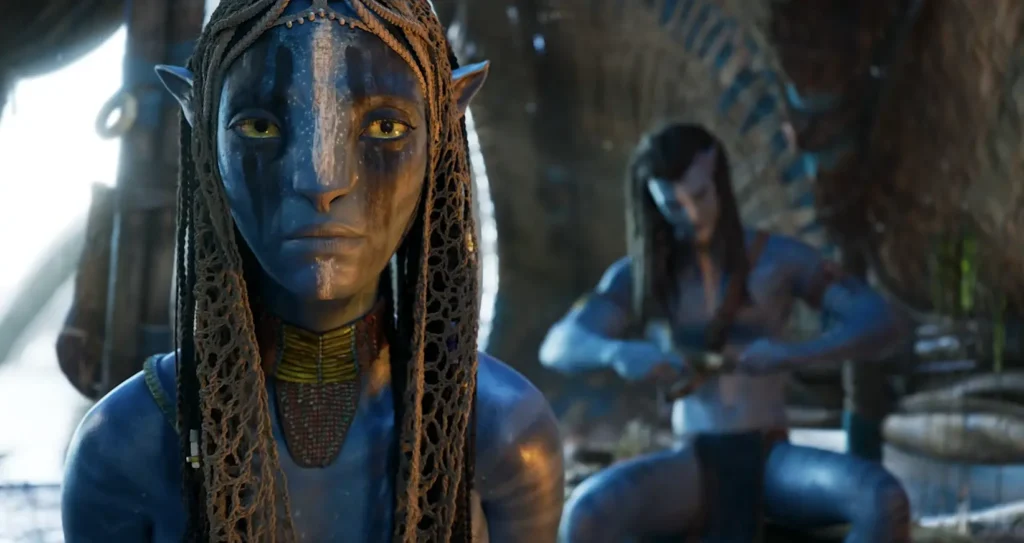
As everyone knows, the Avatar series
is visually extraordinary
and built upon a truly stunning ecosystem and world
Those elements are clearly part of what draws me into the film
but what I appreciate most
is that this is, at its core, a family film
At the same time, it explores humanity and tribes
and goes even further—
touching on life itself, ecosystems, and coexistence
It’s a deeply layered film
one that holds multiple perspectives at once
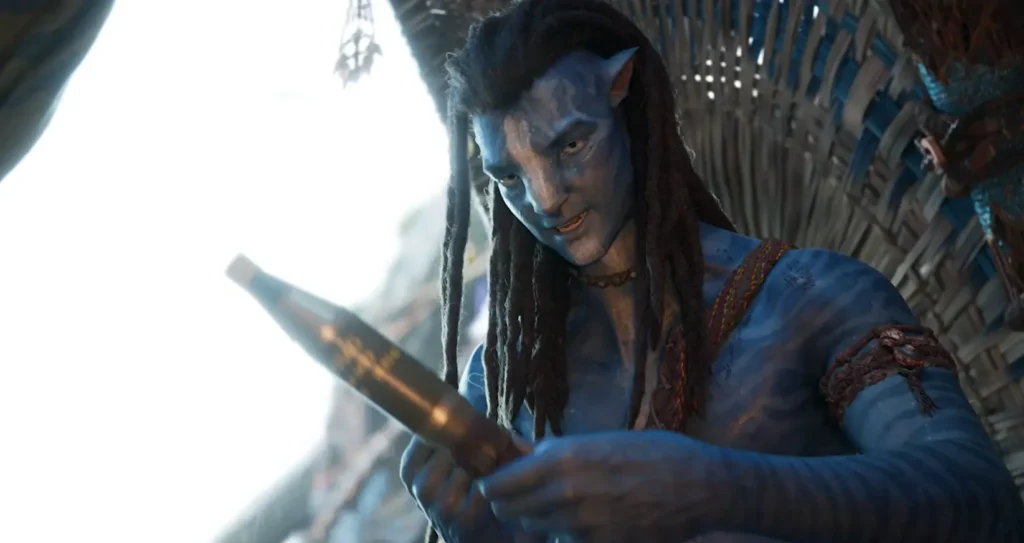
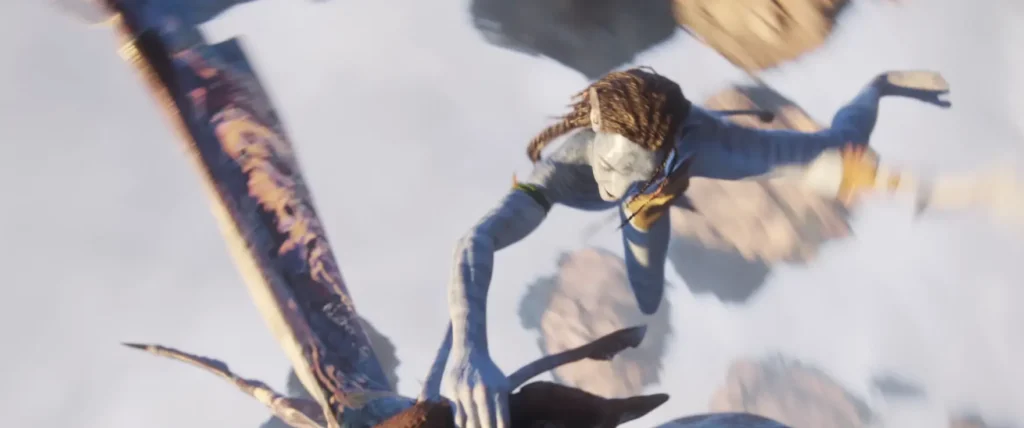
It also shows the different ways each family member mourns
the death of their eldest son, Neteyam
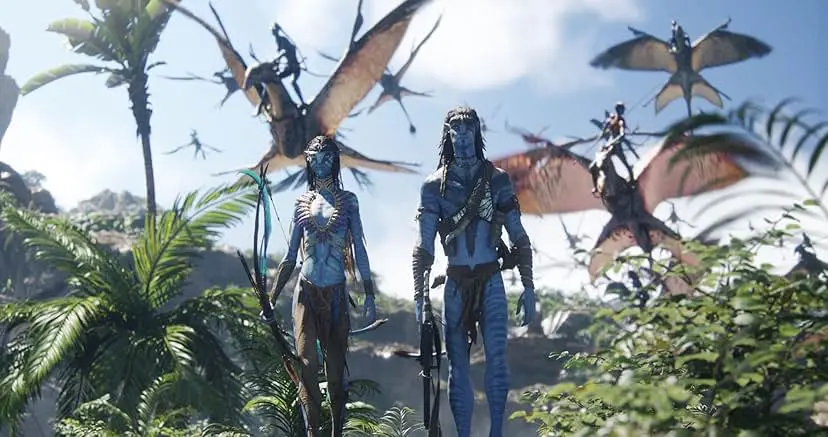
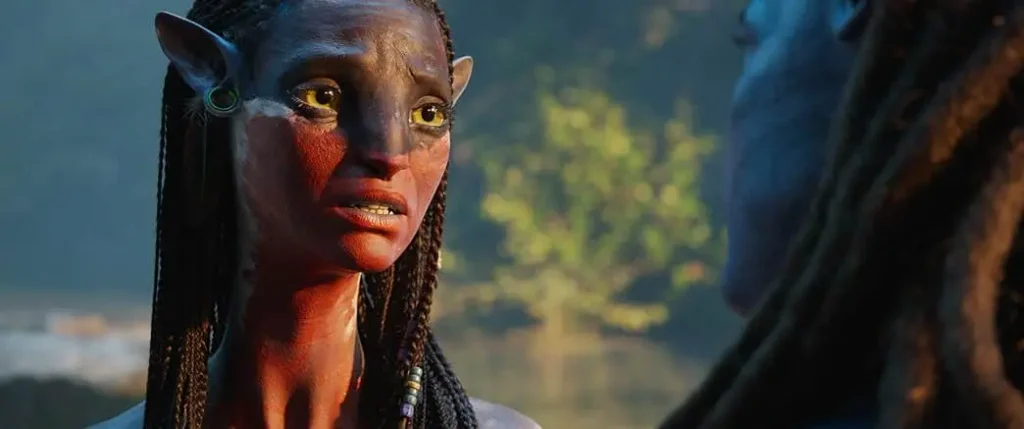
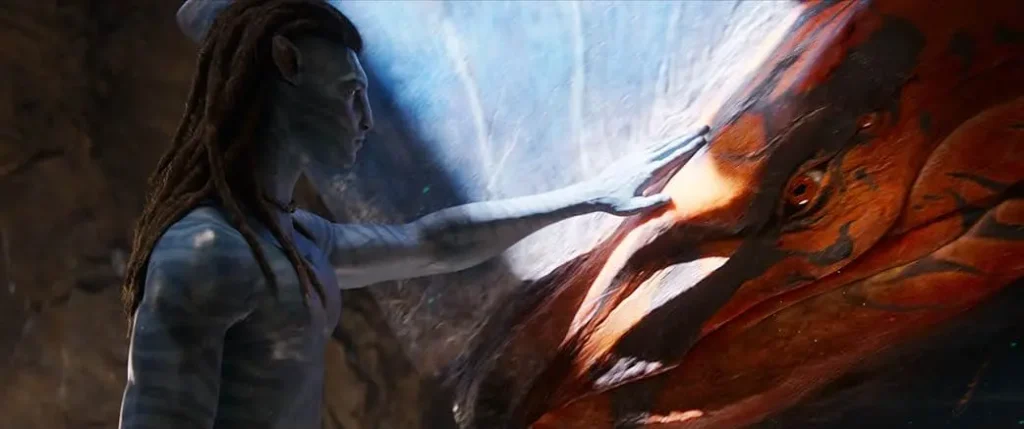
Even though they are members of the same family,
the film shows them wrestling with different questions—
as a father and a mother,
as leaders of the clan, as Toruk Makto,
as humans, and as Na’vi—
about what the right decision truly is
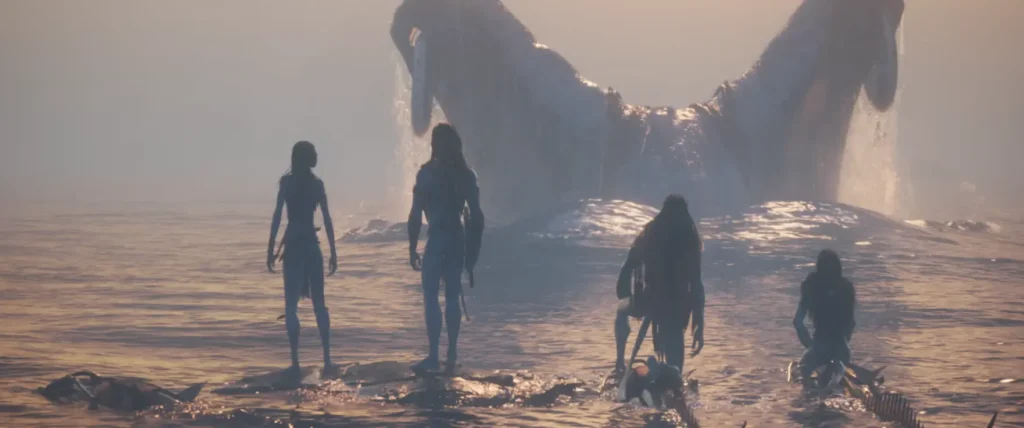
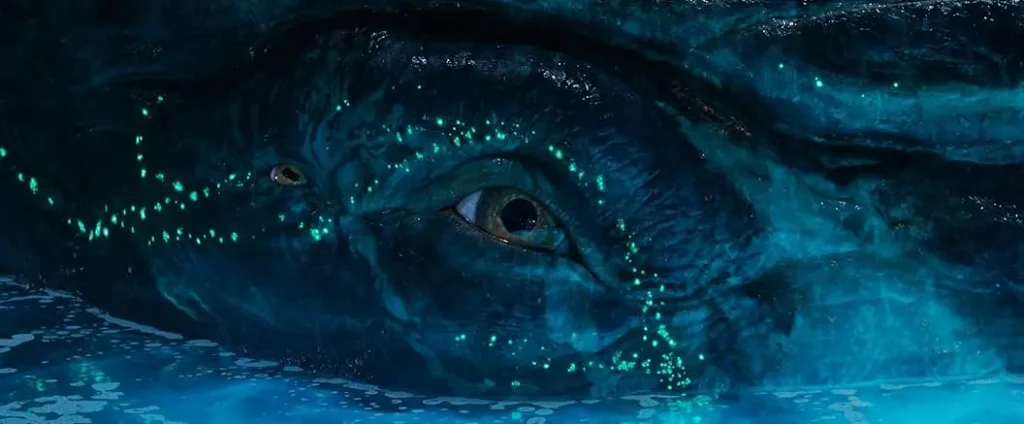
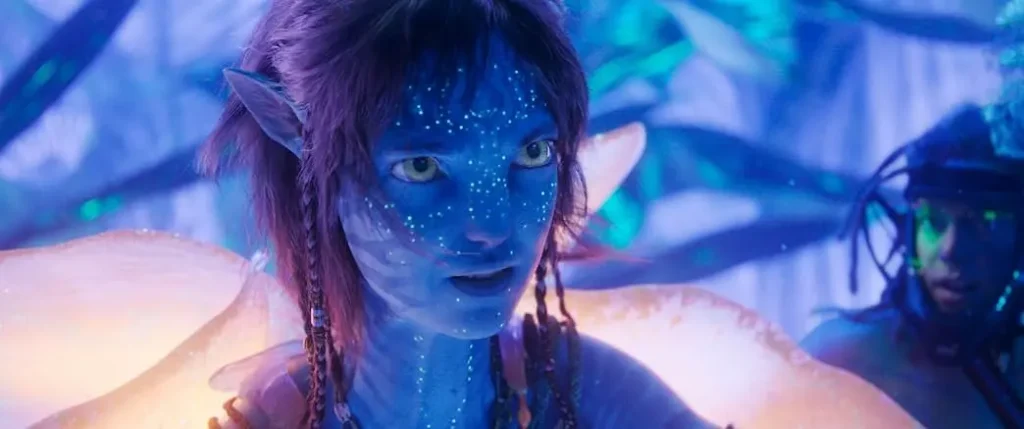
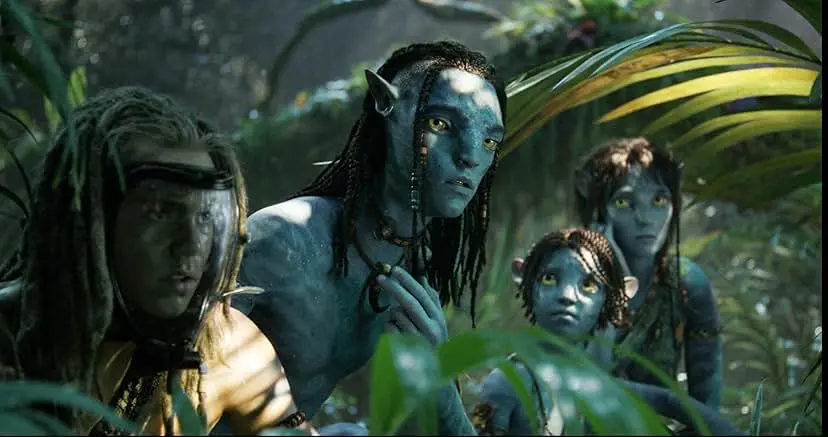
Scenes where characters fight for their own values
and for what they believe must be protected
allow the story to be viewed from multiple perspectives
Because of that,
it’s hard to see the events from only one side
and the film naturally invites you
to think more deeply about what’s happening
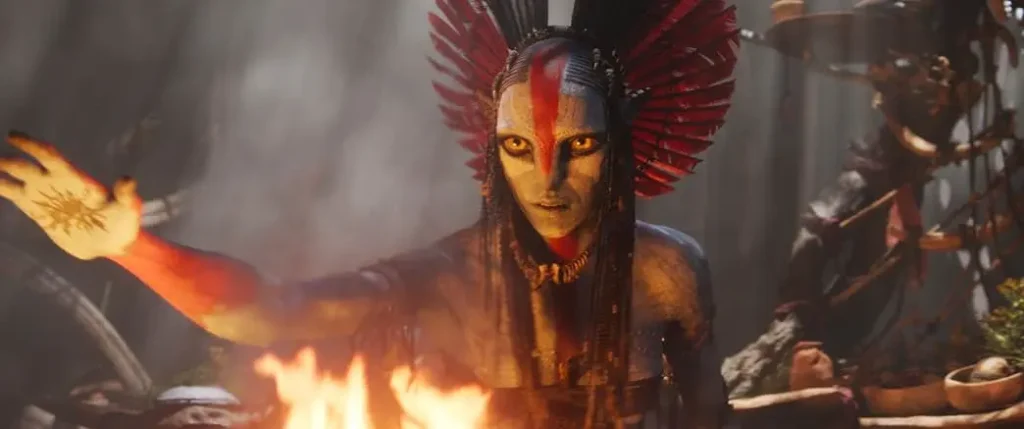
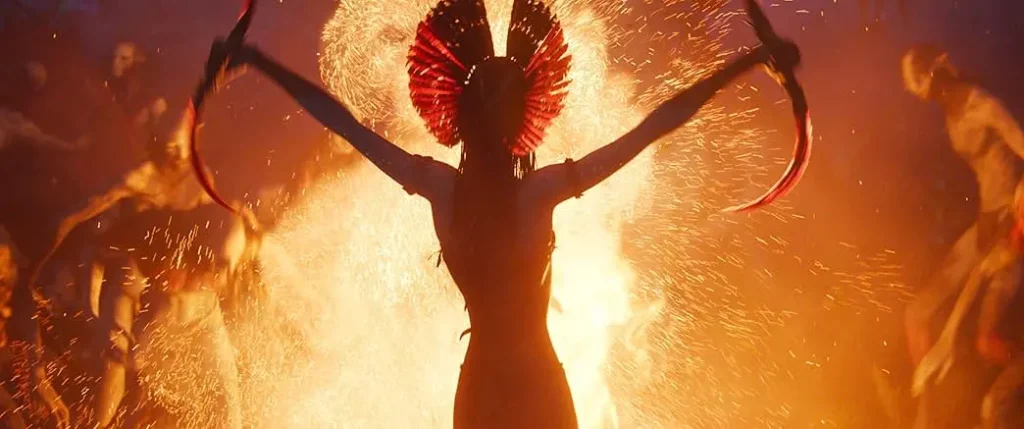
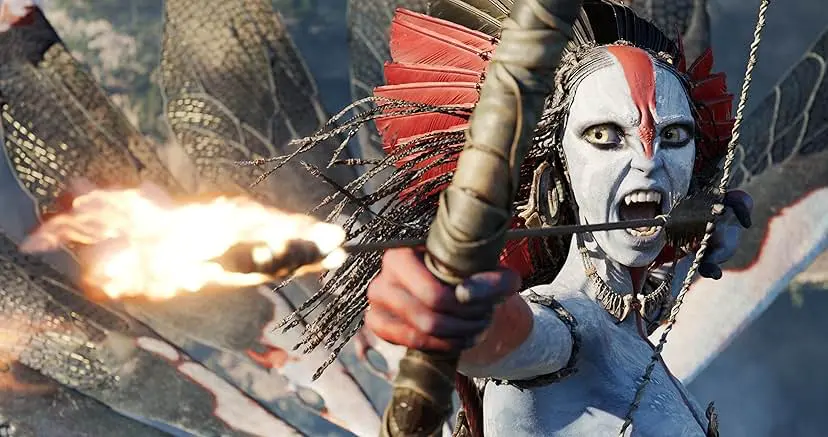
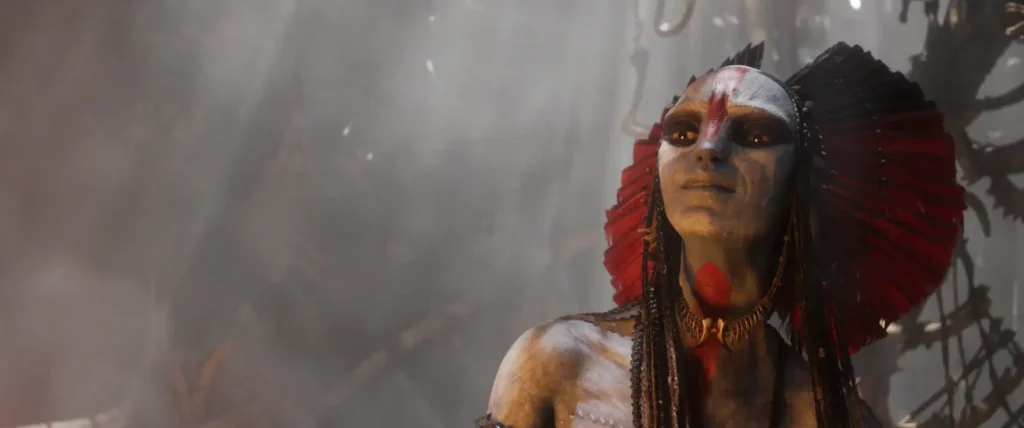
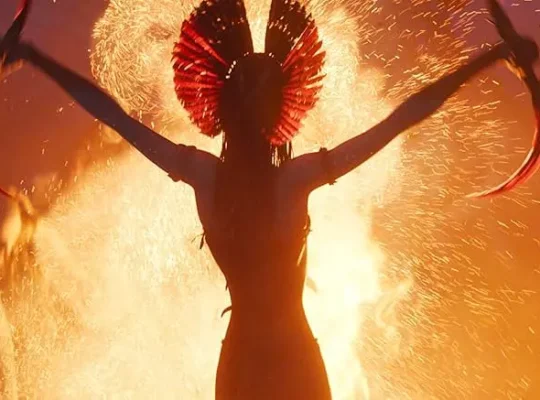
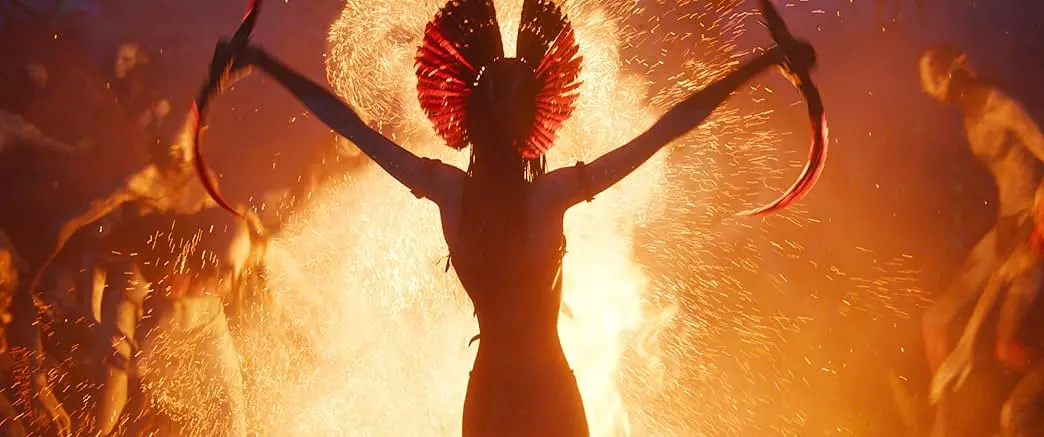
The new character, Varang, was truly beautiful and captivating
After watching the film,
I finally understood why Dongjin mentioned feeling a sense of regret
about Varang’s screen time and role
While watching,
I didn’t feel any discomfort or lack at all
But after the film ended,
I found myself thinking about why critic Lee Dong-jin had made that comment
And the conclusion I came to was simple
it’s because Varang is too compelling as a character
This might feel a bit out of the blue, but
much like when I watched Chainsaw Man: Reze Arc,
even though the movie was over,
Varang lingered in my mind
It’s a different kind of feeling from Reze,
but that confident attitude, the gestures,
and those sensual, piercing eyes kept resurfacing
From the moment Varang faded out of the story,
I felt that her allure disappeared along with her presence
Personally, I don’t think I’ll ever forget the ending sequence
With a beautiful, awe-inspiring ending that feels unmistakably Avatar,
the screen fades to black
Then, against that darkness,
the Avatar: Fire and Ash logo appears—
emerging through flames
That’s the moment
when the experience of Pandora truly comes to an end
It’s time to return to reality,
carrying with me the memory of that beautiful time—
a time I chose for myself
and was gifted in return
I want to live my life
the way I lived during the time I spent watching this film