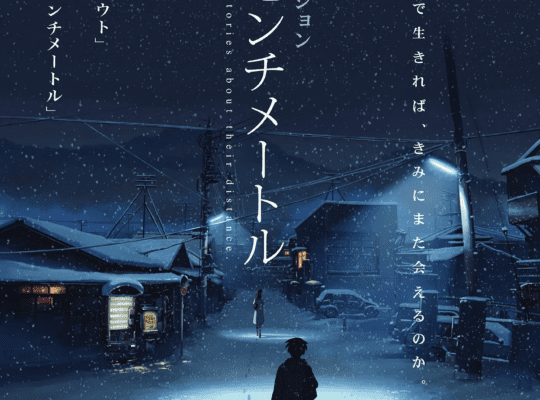
On February 25, 5 Centimeters per Second (秒速5センチメートル),
based on the animated film by Makoto Shinkai, will be released in Korea
The film was already released in Japan in October 2025

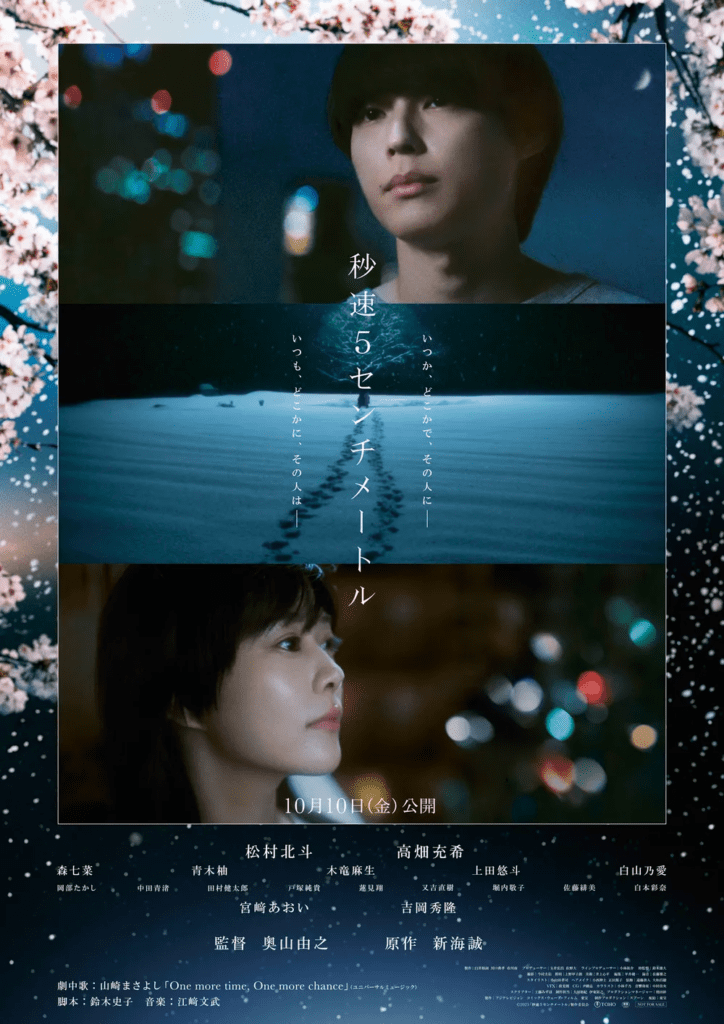
Since I’m planning to watch it in theaters as soon as it opens,
I decided to revisit the original beforehand
It had been a very long time since I last saw it,
so partly to refresh my memory
and partly out of curiosity about how it might differ from the upcoming live-action adaptation
(Hmm… I can tell I’m getting a bit too excited about this~)
So today, I’d like to share my thoughts on the animated original,
the 2007 version of 5 Centimeters per Second (秒速5センチメートル)
<Film Info>
5 Centimeters per Second is a serialized short-form animated film
That might sound a bit unfamiliar, but simply put,
it’s a film where multiple shorter stories come together
to form a single theme and emotional narrative
The movie is divided into three parts
and follows a continuous passage of time,
so it’s by no means a difficult or confusing work
The director, Makoto Shinkai, has mentioned that during the early stages of production,
he originally considered creating a film that would compile several unrelated short pieces
Similar in concept to projects that gather distinct short stories under one title,
before the idea eventually evolved into the cohesive structure we see in this film


But in the end, he chose three pieces that could be meaningfully connected,
which ultimately became the 5 Centimeters per Second we know today
👏 A very wise decision 👏
<Plot>
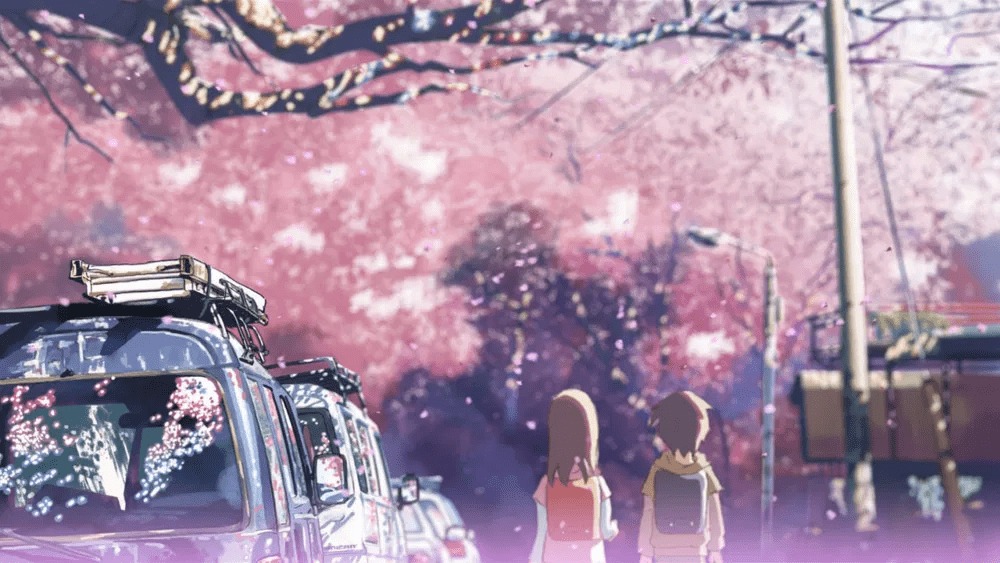
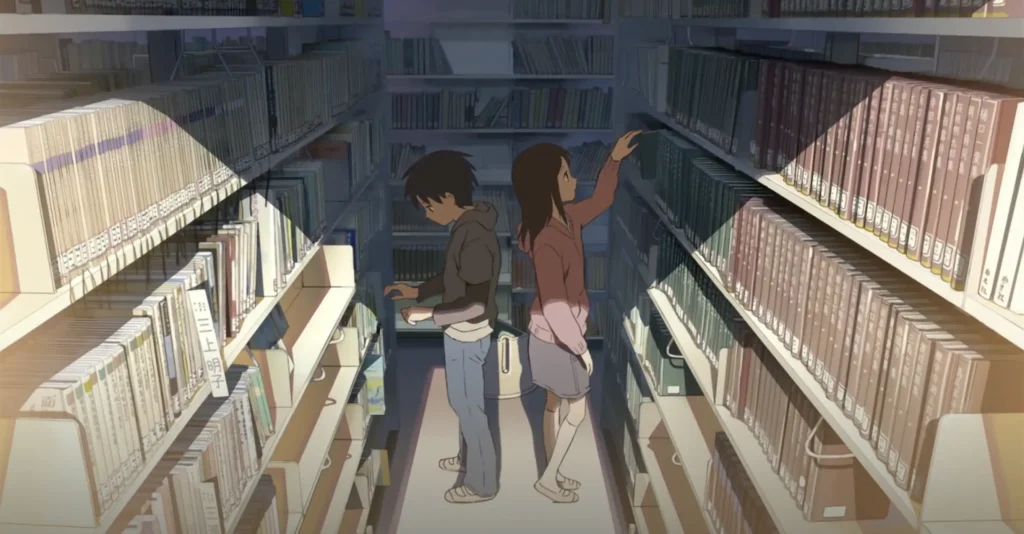
A story about two protagonists, Takaki and Akari,
who were once deeply important to each other during childhood
Growing up together in Tokyo, Takaki and Akari are eventually separated
when a transfer forces them onto different paths
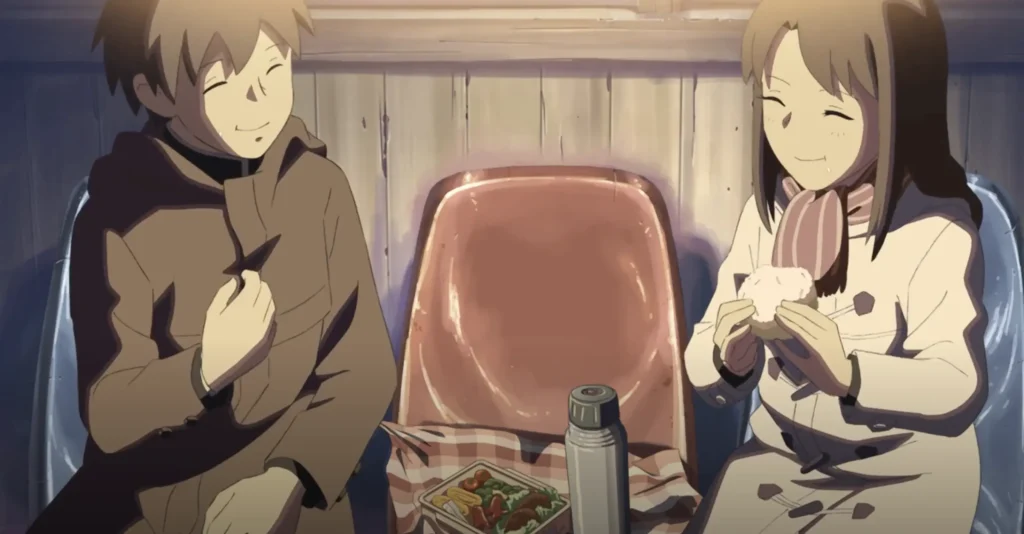
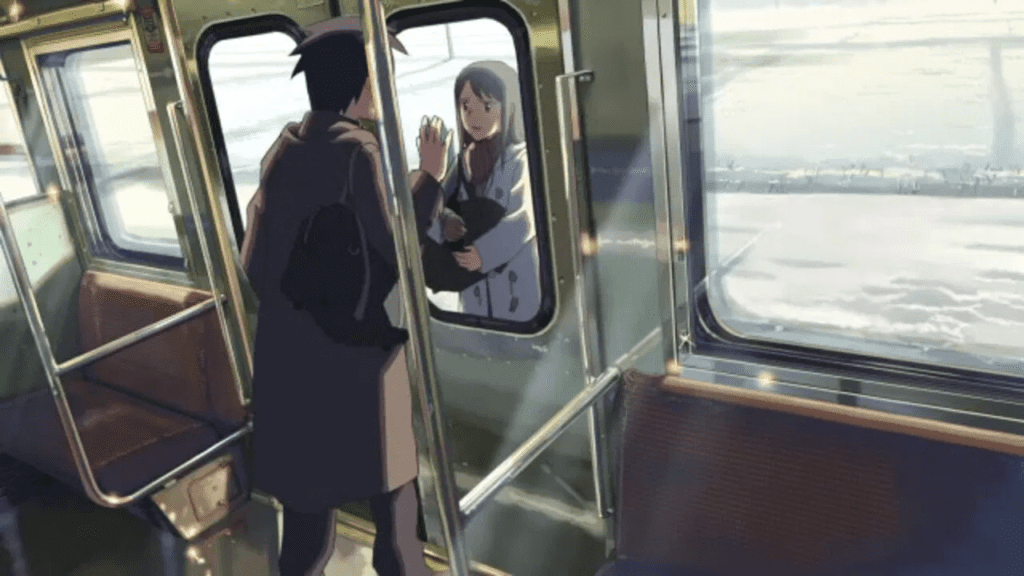
At first, they stay in touch through letters,
checking in on one another and maintaining their bond
But as time passes, the correspondence gradually fades,
and they find themselves living entirely separate lives

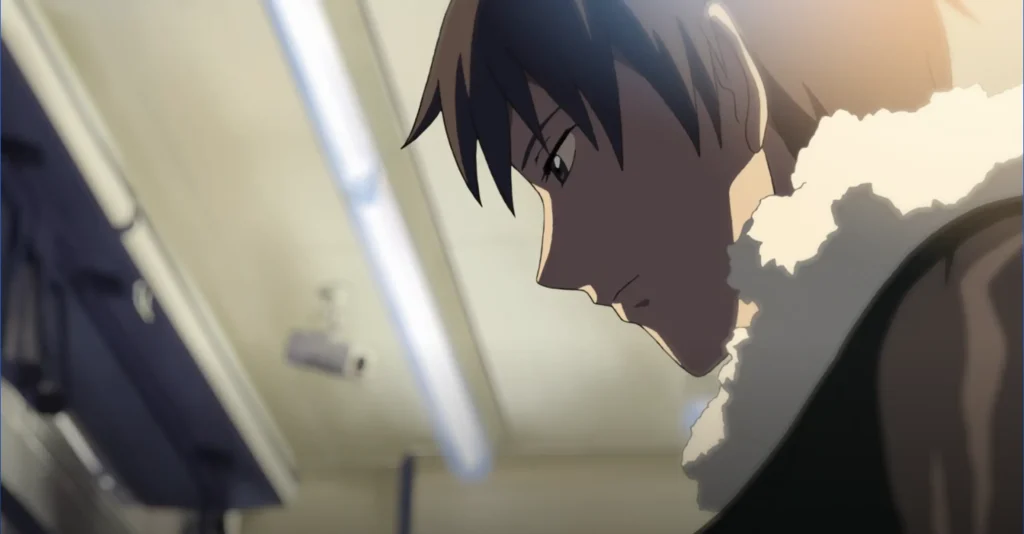
Even into adulthood, the lingering weight of memory remains
with the narrative focusing primarily on Takaki
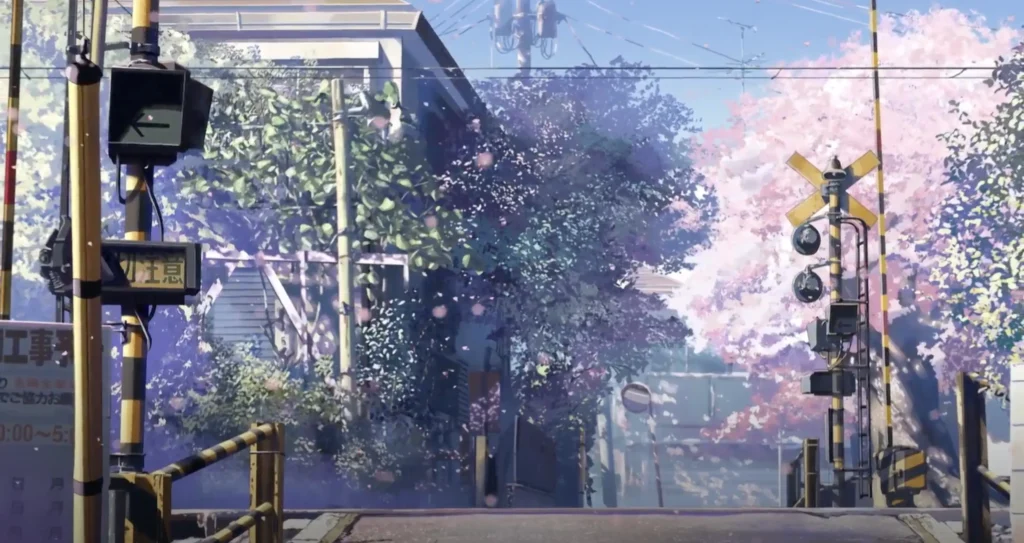
The title itself carries poetic significance
As children, Akari once tells Takaki, while watching falling cherry blossoms,
that they drift down at a speed of five centimeters per second
A delicate metaphor for the emotional distance and quiet passage of time
between two people who were once inseparable
<Review>
At first glance, it feels like a beautifully romantic story
Yet beneath that surface lies a quiet, piercing sadness that lingers throughout the film
As time passes, I found myself gradually aligning with Takaki’s emotions,
experiencing a strange mix of nostalgia, longing, and ache
What stood out most was how carefully the film handles the audience’s emotional rhythm
The first chapter patiently builds feeling and attachment
The second subtly lowers the emotional temperature, almost in an unsettling way
Then comes the third and final chapter
And within that brief final stretch,
the film releases everything at once — paired with music —
in a remarkably powerful way
Takaki, who spends his days quietly carrying memories of his childhood love Akari,
living with the faint hope that she might someday reappear before him,
slowly unravels
Time moves on
And when he once again senses her presence near the railway crossing,
his expression — soft, restrained, yet deeply suggestive — becomes unforgettable
Just as he had once been a source of comfort for Akari in childhood,
it feels as though he finally grants that same comfort to himself
🌸 A truly memorable and quietly devastating film 🌸
Please be aware that the discussion below may contain spoilers
<While Watching the Film>
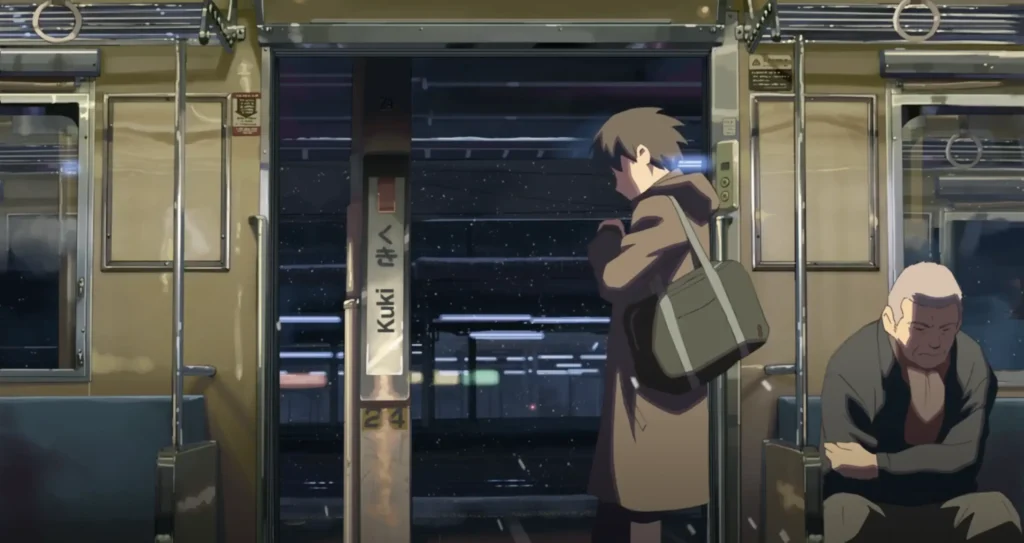
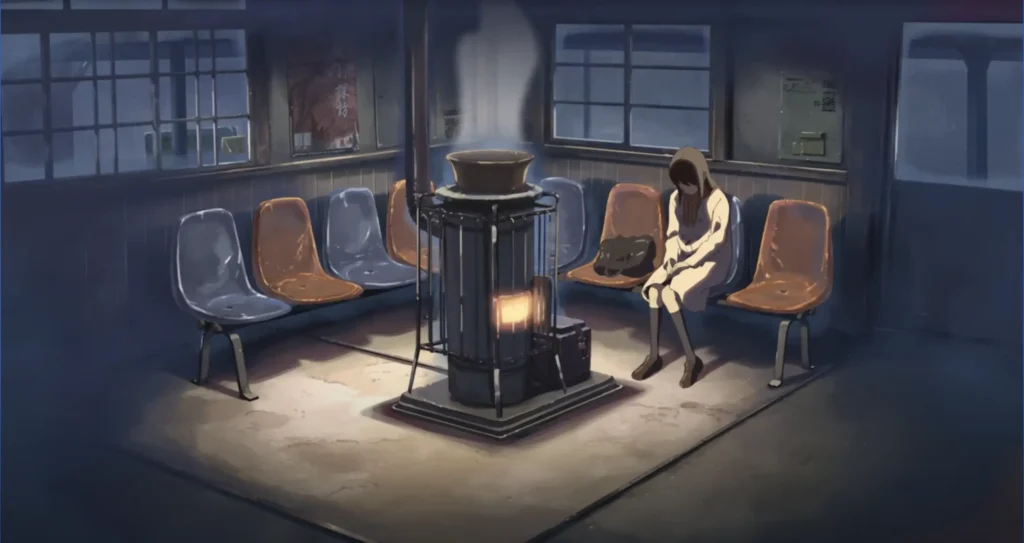
19:50
Taking a step forward while quietly carrying the desire to see someone you may never meet again
Waiting for someone who may or may not arrive
Willingly offering your time, even without any certainty
The memory of having truly waited for someone has grown faint
It feels like the kind of moment I would want to experience more often

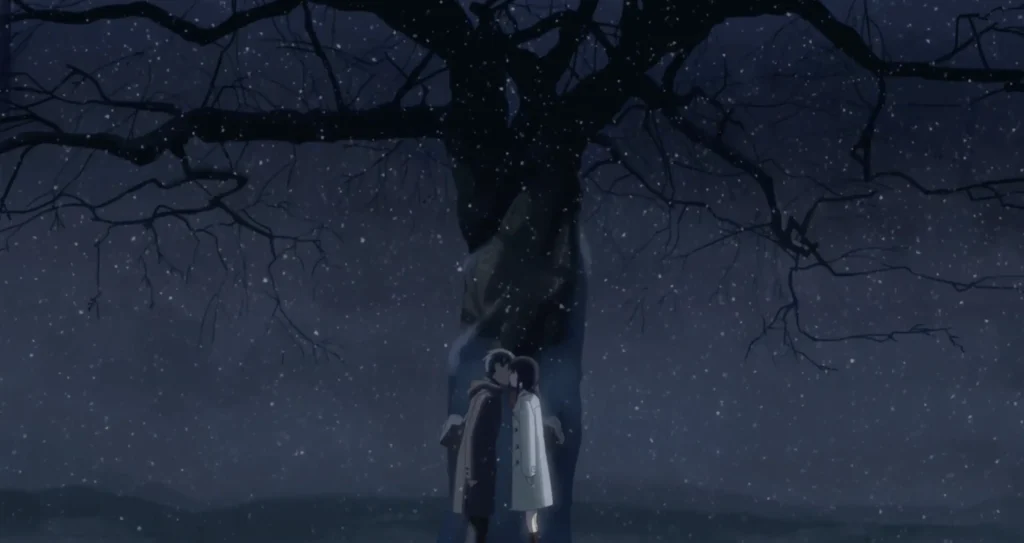
22:40
That moment beneath the tree
Can a fleeting, overwhelming tenderness like that
survive the defenses built by time?
What does it actually take to protect and express something so fragile?
Watching Takaki, I couldn’t help but feel the same realization —
that love also demands strength, and the ability to carry responsibility
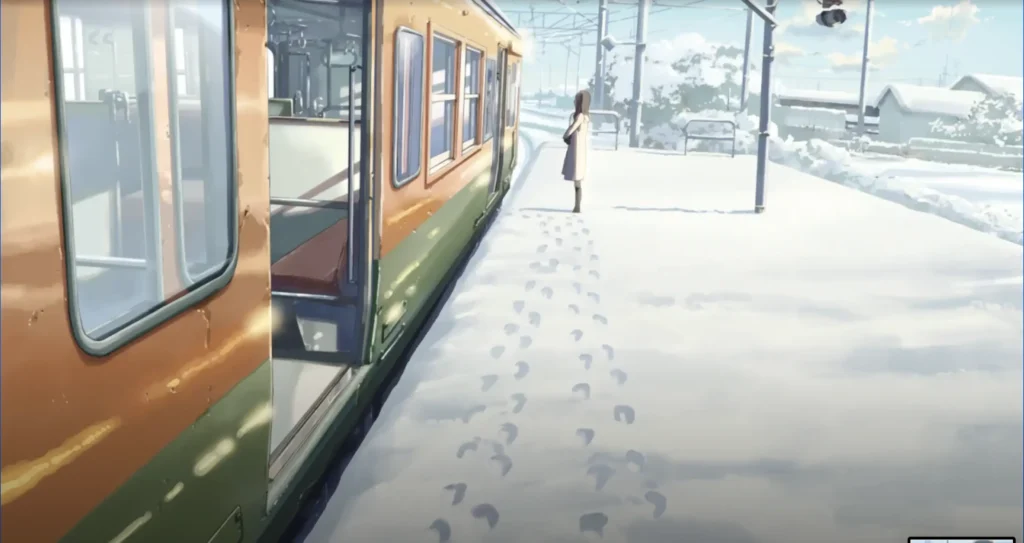

24:23
Telling someone you love that their future will surely be alright
If it were me, I would have said the same to the person I care about
But why does it feel so difficult to say those words to myself?
From here on, let’s both try to do better
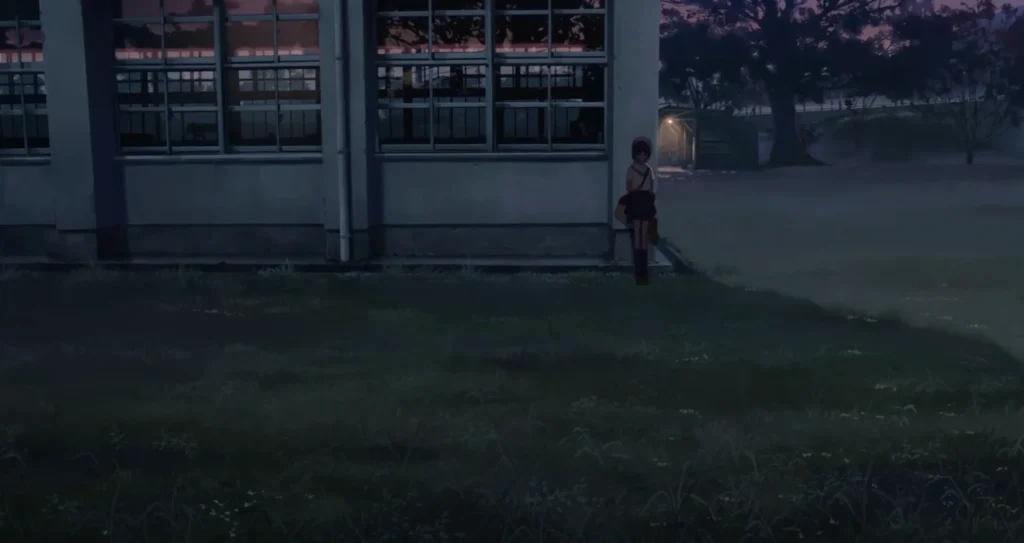
30:05, 34:20
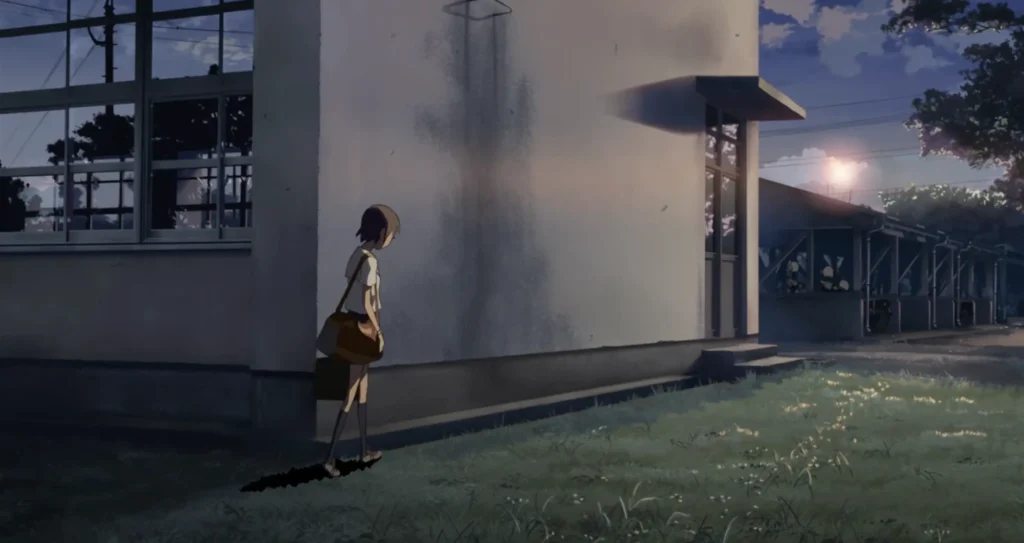
The film is filled with moments of waiting
And not just briefly — but for long stretches of time, sometimes half a day or more
Each act of waiting is rooted in love
What, then, am I willing to endure, and what do I truly hope for?
Even if those feelings waver
Or if what I long for never arrives
Do I have the quiet courage to accept whatever outcome awaits 🙂



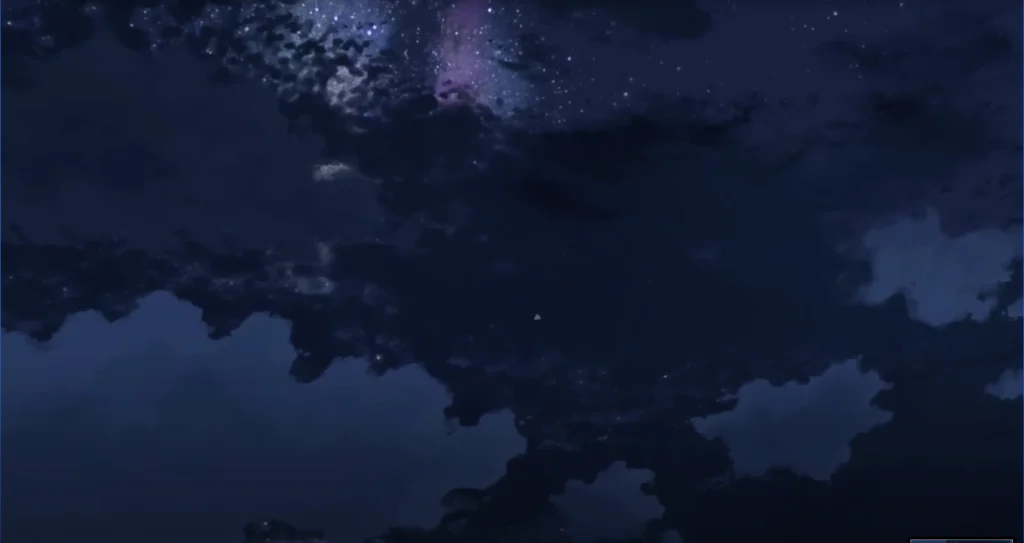
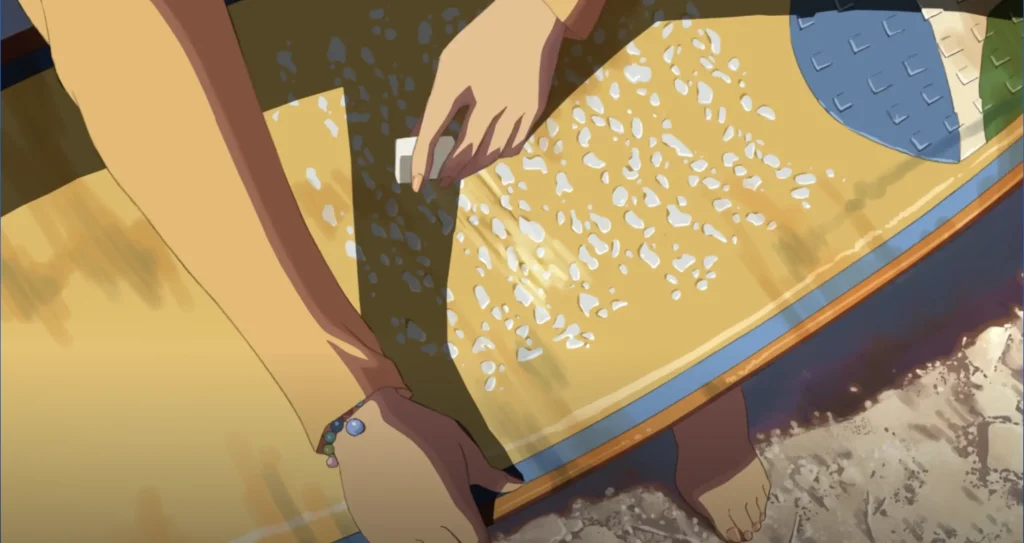
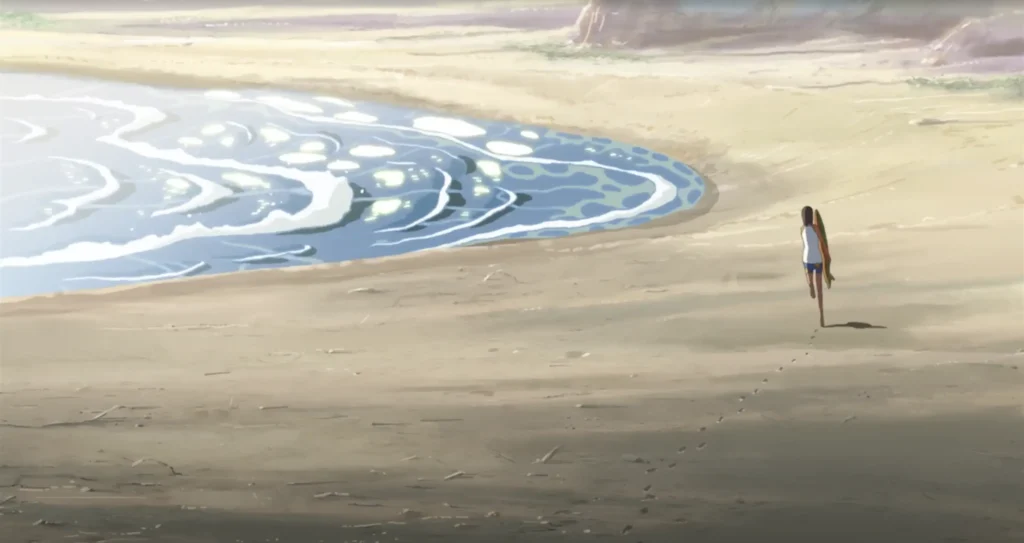
36:37
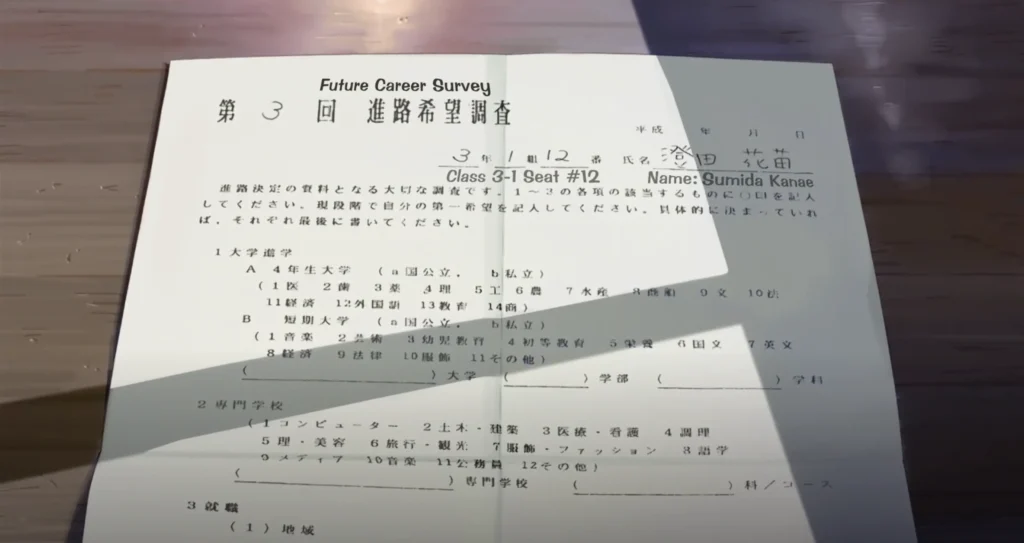
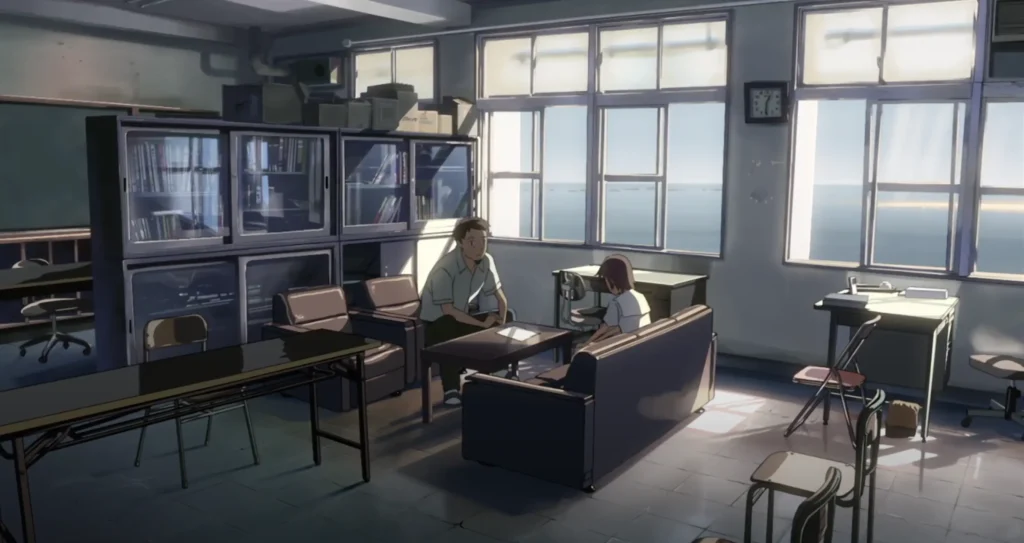
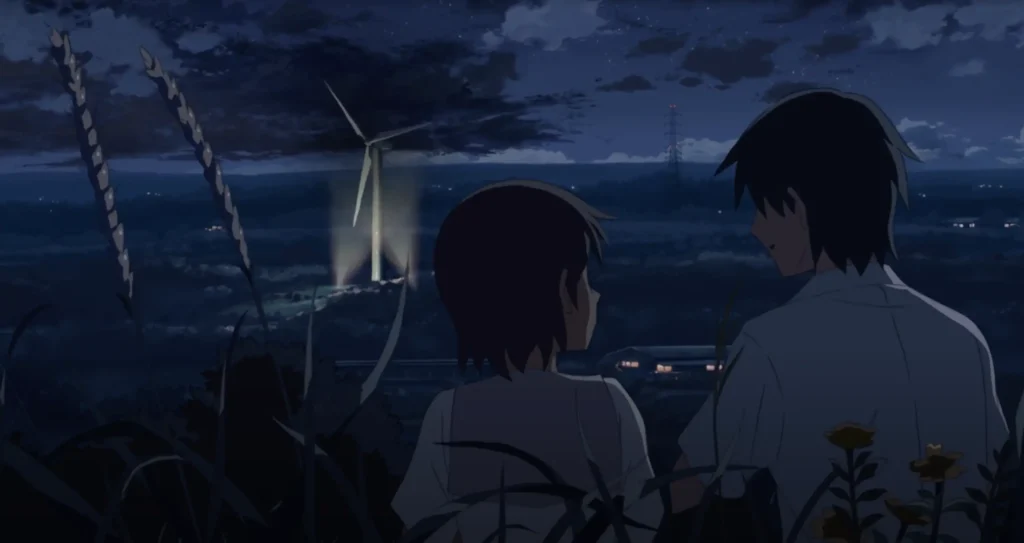
Kanae, unable to easily put her future into words
Through her conversation with Takaki,
she realizes she is not alone in that uncertainty
The scene where her worries seem to drift away
left a strong impression on me
The direction — especially the visual storytelling through props —
felt particularly thoughtful and memorable
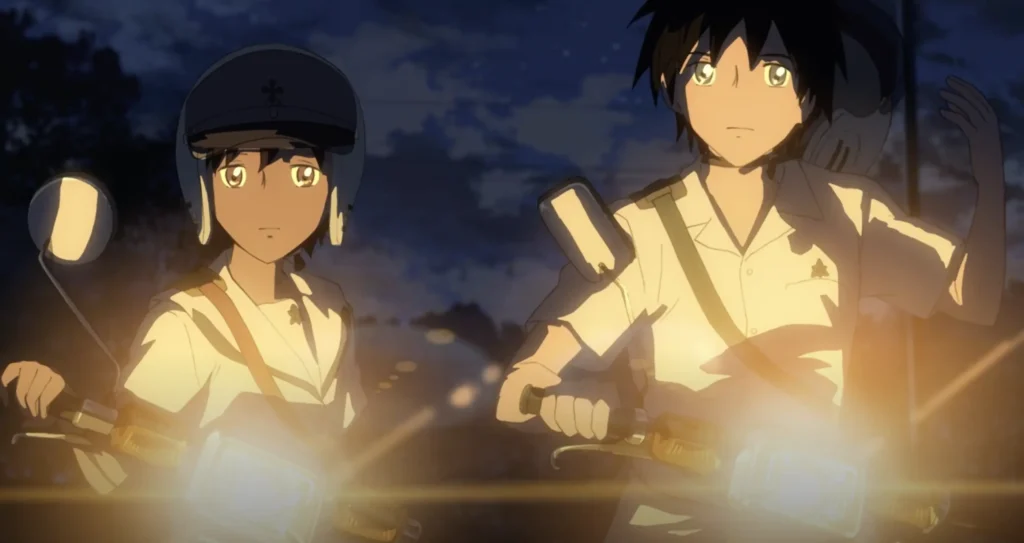

37:22
“Five kilometers per hour,”
In the second chapter, Takaki’s responses often feel outwardly gentle yet emotionally distant
But this was the first moment where his eyes truly seemed to light up
It’s a subtle yet powerful hint that his feelings for Akari still linger
For a brief instant, it almost feels as though
Takaki is projecting the image of Akari onto Kanae
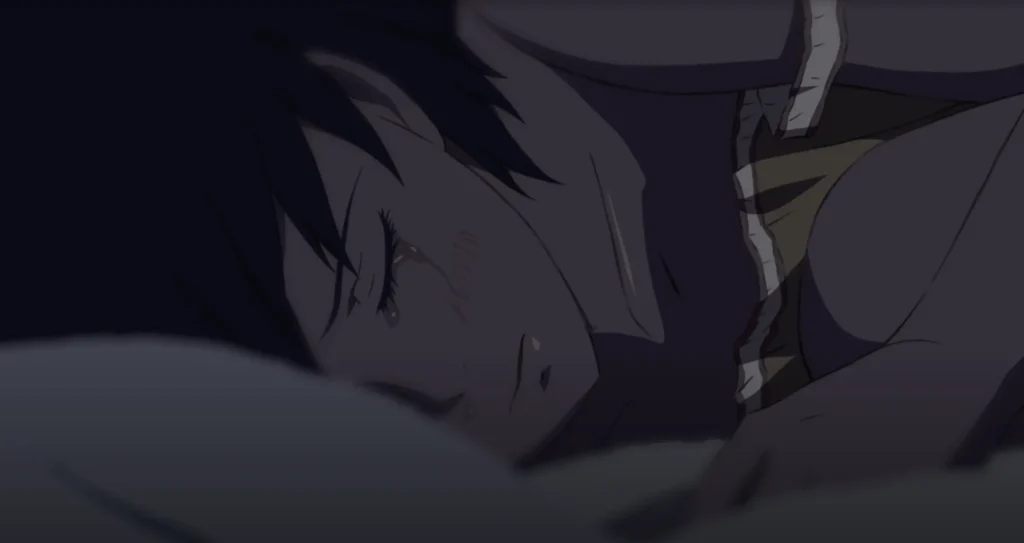
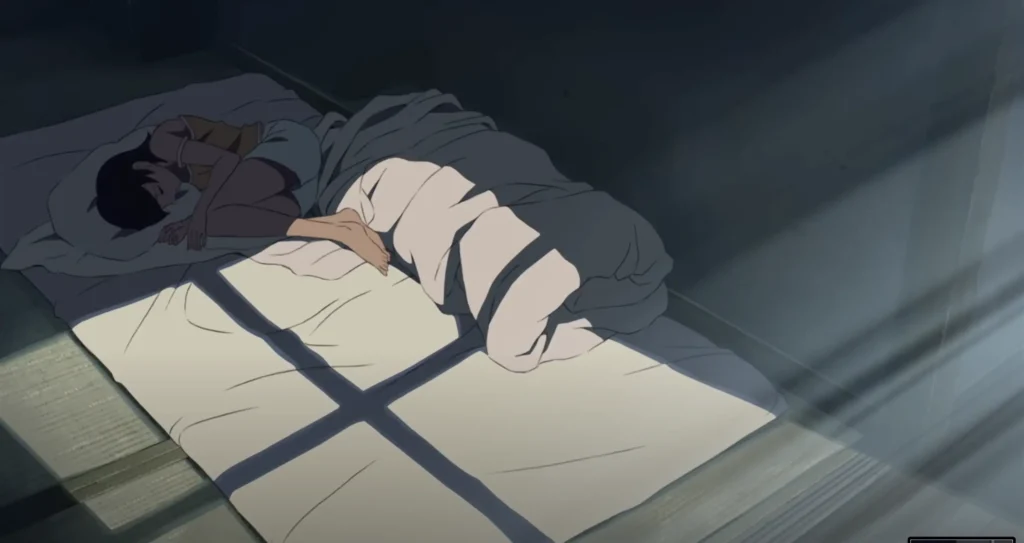
39:02
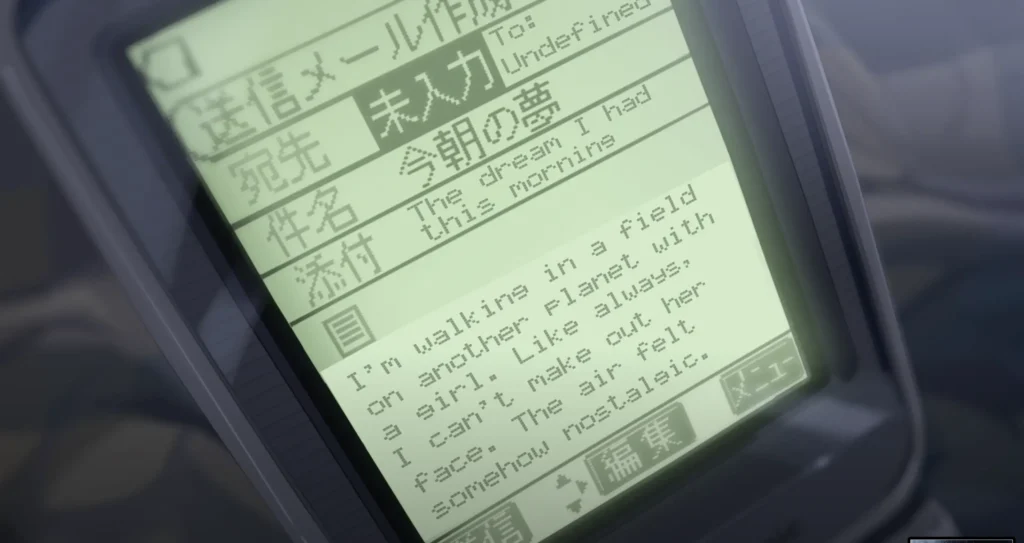
Takaki develops the habit of writing messages that have nowhere to be sent
It felt, to me, like a quiet reflection of being lost
and at the same time, searching for somewhere to place his love
Perhaps everyone carries the desire to give love
and even finds comfort in that part of themselves
Only the form it takes differs from person to person
39:58
After her conversation with Takaki,
Kanae admits she still hasn’t decided on her future
But instead of remaining stuck,
she resolves to begin with whatever she can do, one step at a time
The image of her running forward with renewed energy
felt quietly uplifting
Love really does carry a remarkable kind of strength
48:00
Kanae senses, almost instinctively, that Takaki will never return her feelings
Yet she accepts it, choosing to continue loving him anyway
Whether the object of affection is a person, a dream, or even a fleeting moment,
to truly love something may be an act that moves forward regardless of the outcome
I feel that I, too, would keep making that same choice

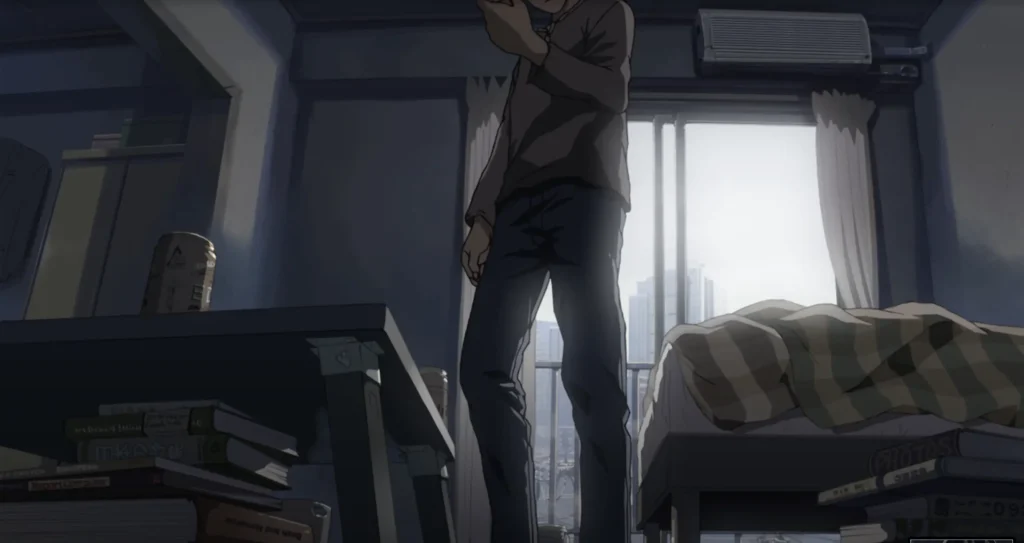


53:10
“Just by living, sorrow quietly piles up here and there”
It’s hard not to relate to a line like that
There’s something undeniably melancholic about it
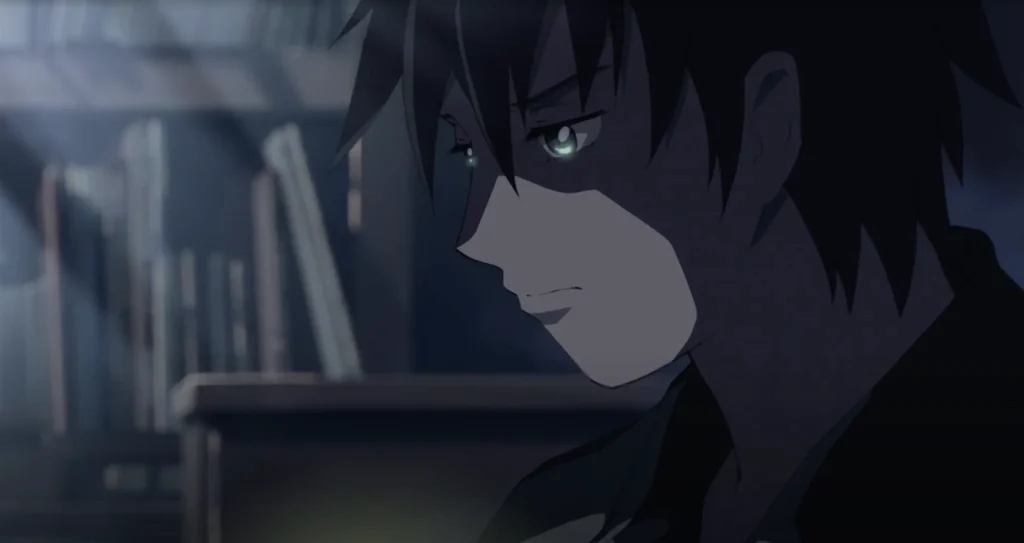
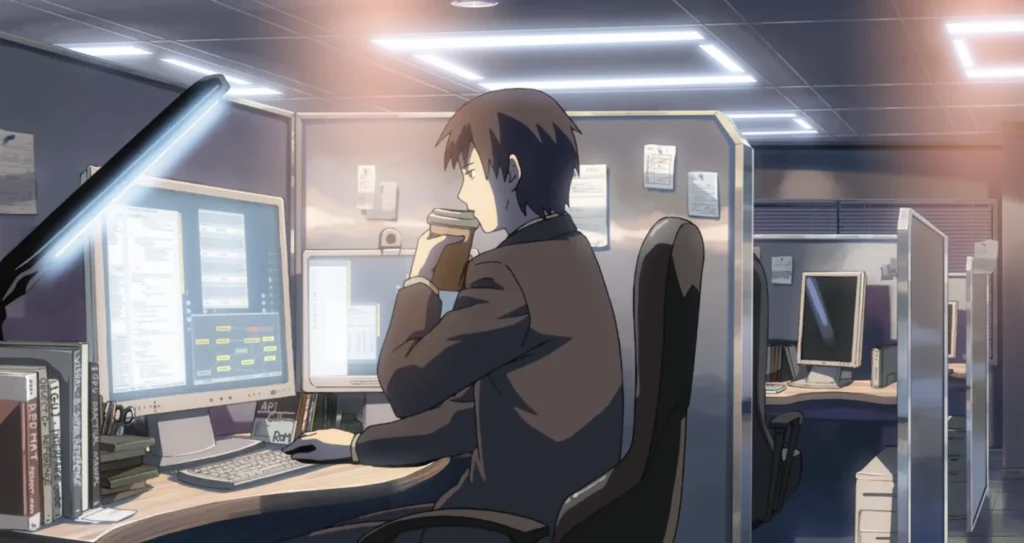
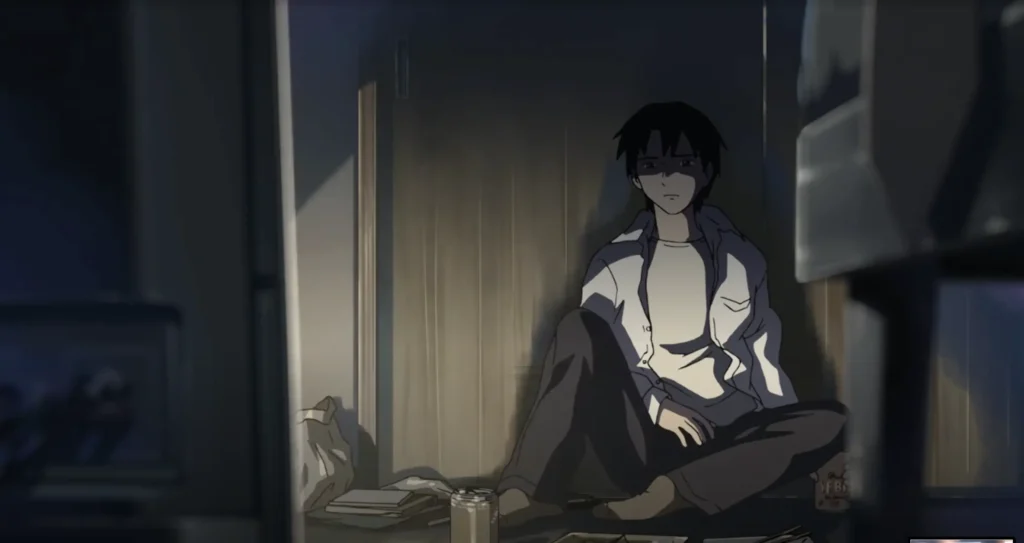
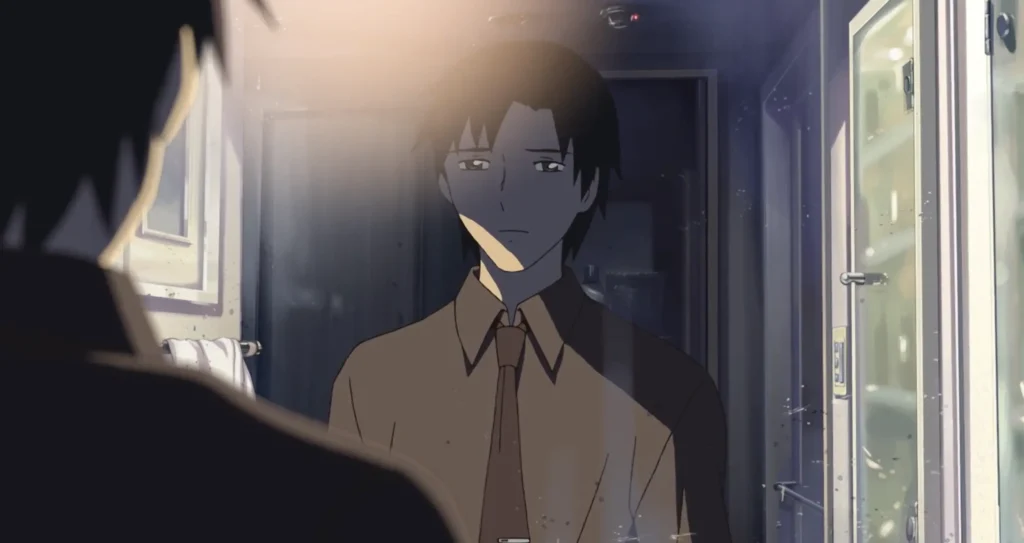
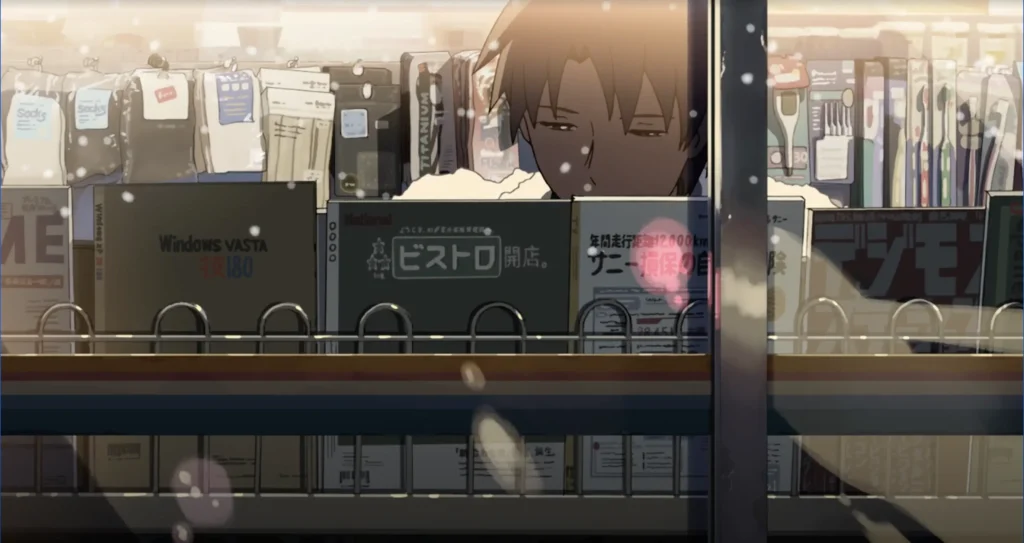
What also stood out in this moment was the visual direction
Takaki’s emptiness and emotional fragility are expressed through a variety of camera angles
Conventionally, a high-angle shot tends to emphasize a character’s vulnerability or helplessness
But even in the low-angle composition, the film achieves a similar effect
By having Takaki lower his head, obscuring his eyes,
and remain almost completely motionless,
the third shot, in particular, conveys the same sense of stillness and quiet despair with remarkable strength
55:00
Even though he has tried his best to move forward,
Takaki grows weary of chasing something distant — something he cannot even fully name —
and for a moment, he simply stops
I feel as though I understand that state of mind
A life that refuses to unfold as we hope
is not necessarily something to resent,
nor a reason to blame ourselves,
nor an excuse to collapse in defeat
Deep down, we know it is merely time passing through us
Perhaps this moment arrives for Takaki
to awaken some dormant part of himself,
or because it is one of those inevitable thresholds everyone must one day face
Takaki meets other women after Akari
Yet, as expressed in Part 3, he reflects that despite exchanging countless messages,
he has not moved even a single centimeter closer to anyone
The reason seems painfully clear
His love and longing for Akari — his first love — still remain
Along with the quiet hope that they might one day meet again
When a past so radiant and overwhelming begins to erode the present,
one might say it should be let go
But we also know that such things are never easily done
Even with full awareness,
the heart continues to return, again and again,
imagining, remembering, and yearning for the same person


56:00
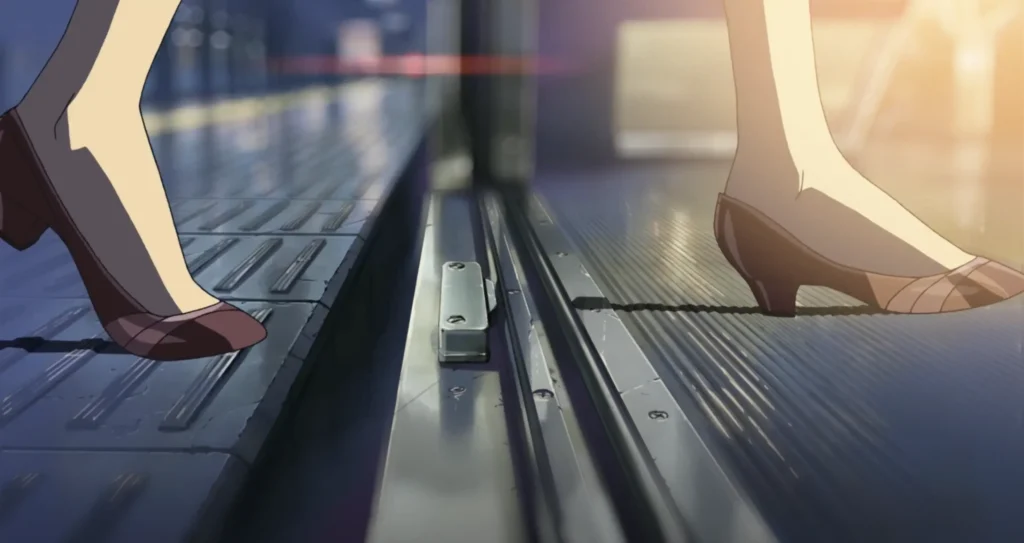
The overlapping monologues of the two characters
The quiet image of their feet passing through separate doorways
And the swelling soundtrack that follows
Together, these elements form what is easily the emotional climax of the film
With “One more time, One more chance,” sung by Masayoshi Yamazaki,
the ending becomes one of the most unforgettable sequences in the entire movie
The song fits the atmosphere with astonishing precision
and serves as a powerful release for all the emotions that have been building
The lyrics speak of a longing to feel once again
the brilliance of a love from long ago
Because back then, one never truly understood
that those moments could never be revisited
Which naturally leads to a quiet, unsettling realization
If the present is also a stretch of time we can never return to,
shouldn’t we be living it more fully?
The film seems to leave behind a lingering question —
How are we meant to move forward?
Perhaps the greatest reason Takaki remains bound to Akari for so many years
is that, constrained by circumstance and hesitation,
he never managed to say something as simple and honest as “I love you”
And through that, the story gently reminds us
Of the weight of unspoken feelings
Of the inevitability of regret
And of the importance of taking responsibility for one’s own heart
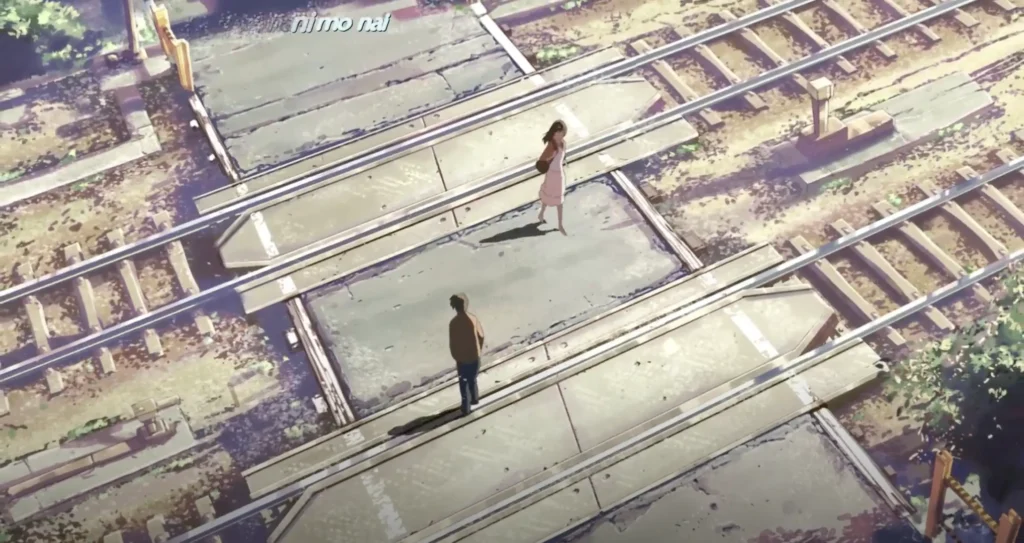
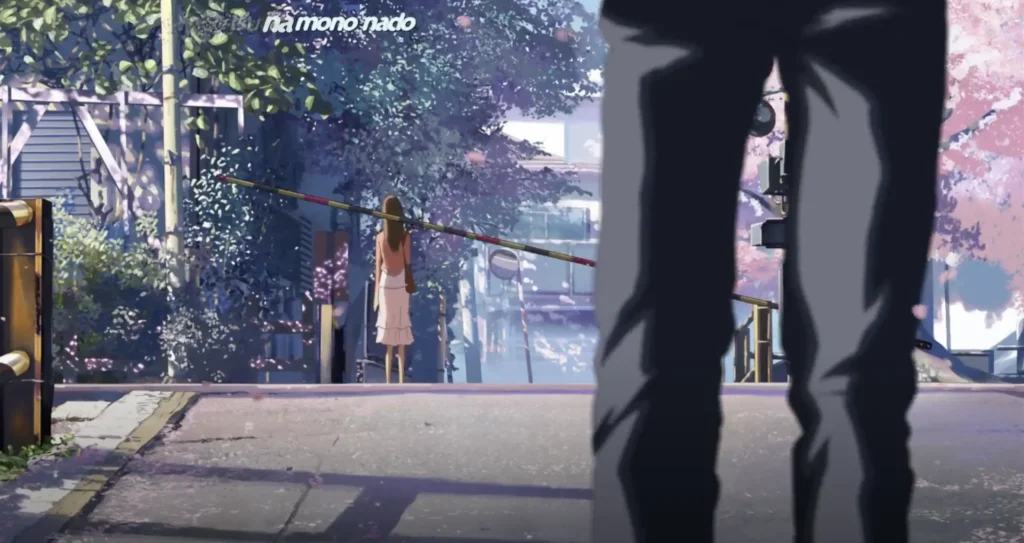
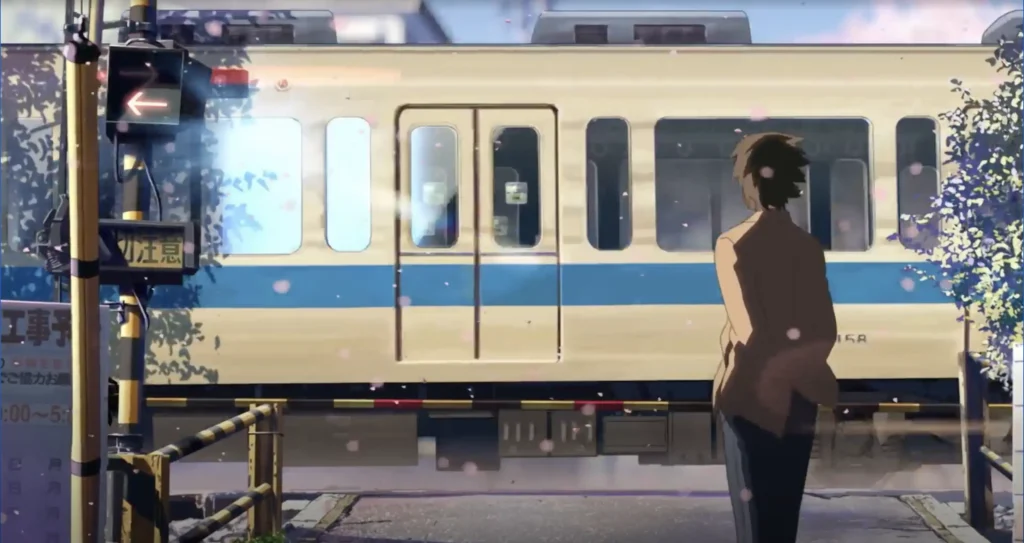

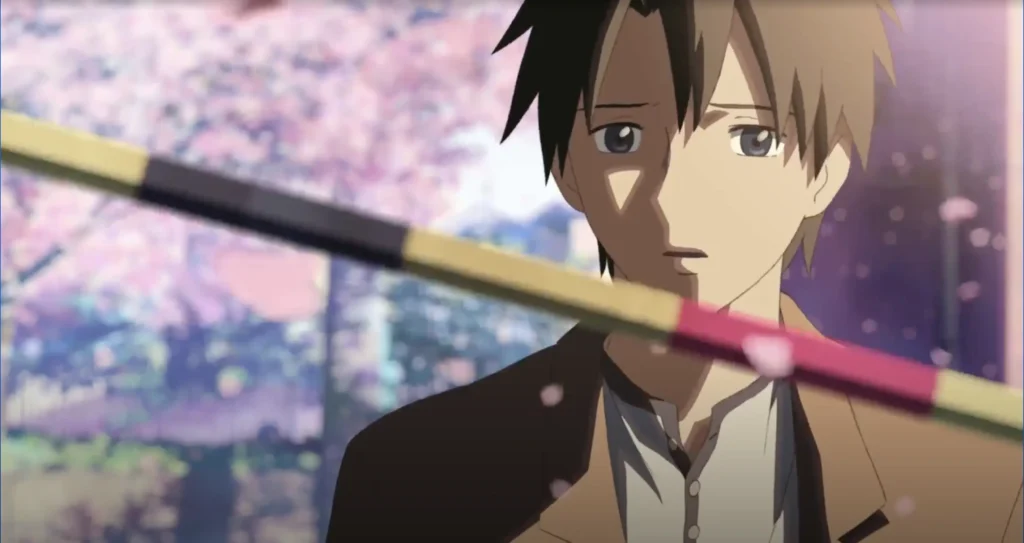
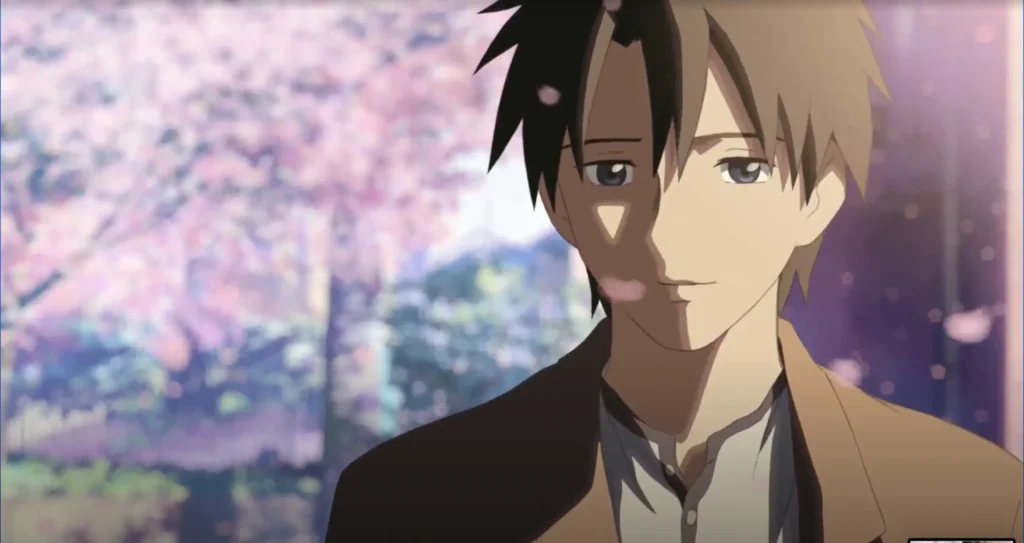

“There’s no way she could be here”
And then, that smile
An ending that quietly lingers in the heart 🩷🌸
I originally meant to keep this short,
but I ended up enjoying the film so much that the write-up became longer than expected
If you’re planning to watch the live-action adaptation on the 25th,
I’d highly recommend revisiting Makoto Shinkai’s original 5 Centimeters per Second —
whether before or after your viewing 🙂
<5 Centimeters per Second — Live-Action Film Trailer>