Why Do We Want to See That Person Again? — 5 Centimeters per Second (2025) Review & Comparison with the Original
For this day,
I carefully revisited both the original animated film and the novel,
and finally went to see
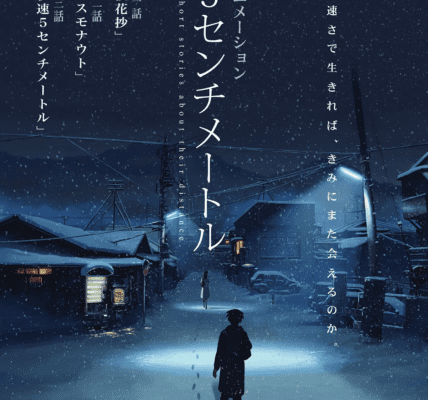
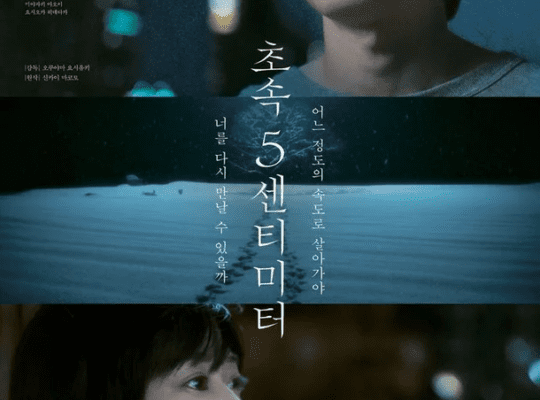
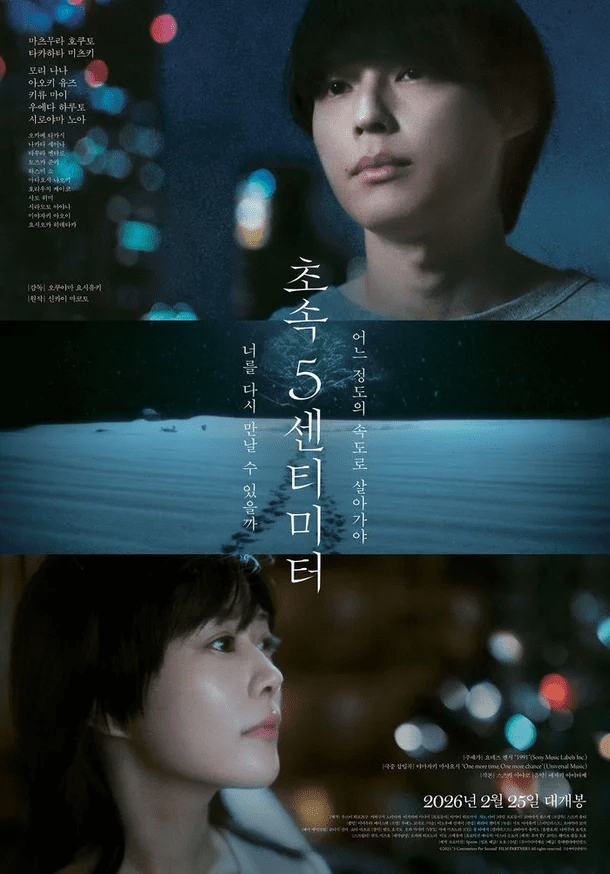
the live-action version of 5 Centimeters per Second
For almost an entire week,
it wouldn’t be an exaggeration to say
that I lived with this story
As much as my expectations were high,
there is just so much I want to talk about—!
From the beginning,
what I was most curious about
was how the live-action film would reinterpret the original
Because of that,
it was impossible not to include details from the movie in this review
If you prefer to avoid spoilers,
please read only up to the review section—!
Table of Contents
Plot Summary
Differences from the Original
What Worked & What Didn’t
Review
Disappointing Points & Scenes I Want to Rewatch
Questions (Anyone who knows, please tell me!)
Plot
Familiar Framework, but a Distinct Identity of Its Own
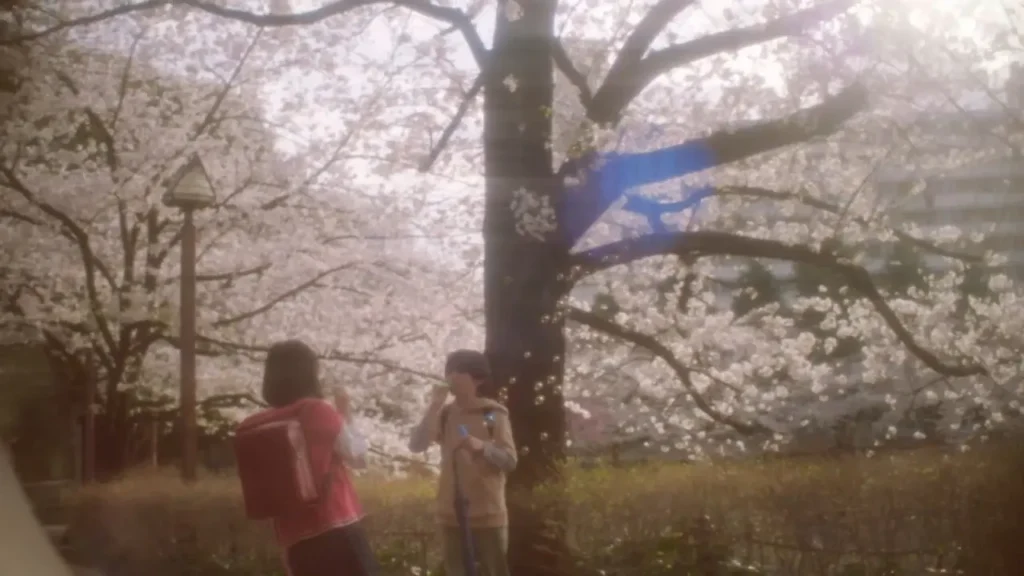
The overall structure remains the same as the original
Part One follows Takaki and Akari, who shared their childhood together, gradually drifting apart
Part Two portrays high school–aged Takaki and the unrequited feelings of Kanae, who quietly loves him
Part Three shows Takaki as an adult, still unable to let go of his memories of Akari
The foundation of the story is unchanged
However, the relationship dynamics are adjusted,
new characters are introduced,
and the narrative structure along with subtle details unfold differently
Because of these changes,
the film feels rooted in the same story,
yet like a slightly different work altogether
For that reason,
even if you haven’t seen the original,
you can fully enjoy this version
(Though I have to say—watching the original beforehand might make it even better!)
Differences from the Original
A Structure Centered on Adult Takaki

The biggest difference from the original lies in the narrative structure and its emotional center
The original unfolds in a quiet, chronological flow
Part One — Takaki and Akari’s childhood — becomes the emotional starting point of everything
In contrast,
the live-action version moves back and forth
Adult Takaki recalls his childhood in fragments,
and those early memories are no longer the central focus
Instead,
they function as a device to explain the emptiness of the present-day Takaki
Notably, the film adds entirely new material that was not in the original
We see Takaki’s daily life after leaving his job,
and through this addition,
the film delivers its core message more directly
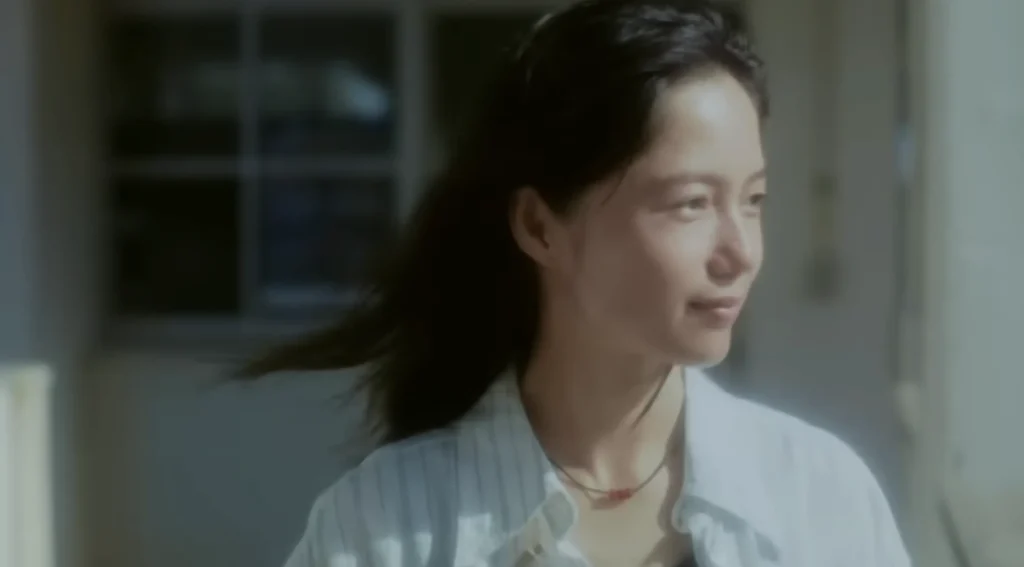
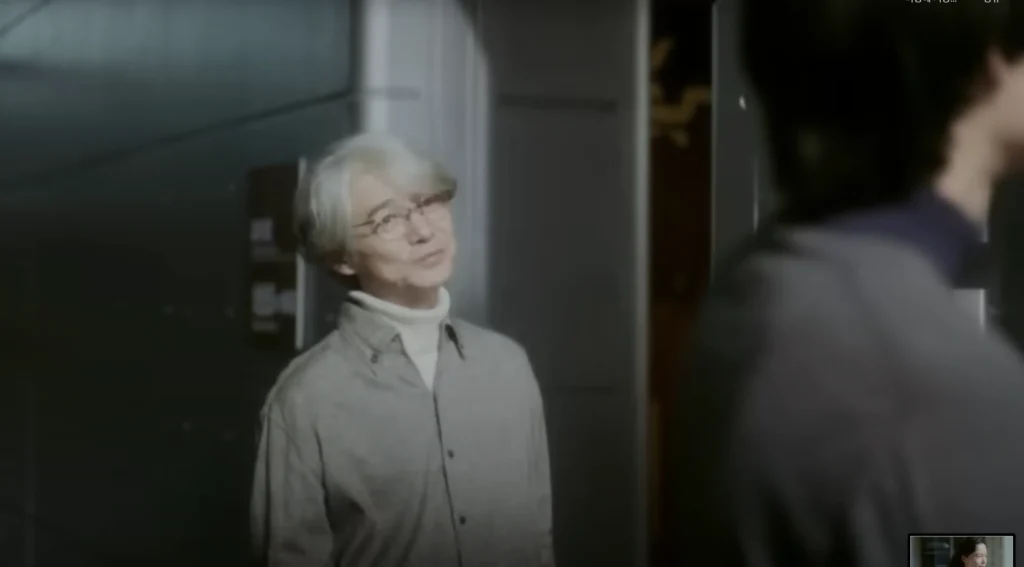
Kanae’s older sister is reimagined as Takaki’s high school teacher, expanding her role
This strengthens the connection between past and present
Additionally,
by creating interactions between Kanae’s sister and the science museum director with Akari,
the story becomes richer
and even gains a subtle sense of tension
Personally,
I found the science-related elements —
and the narrative threads surrounding the museum director —
particularly compelling
What Worked & What Didn’t
What Did You Expect? A Matter of Taste
I noticed that reactions to the film are quite divided
I believe the biggest reason, again, lies in its structure and narrative focus
Compared to the original, the live-action version significantly condenses the childhood storyline
Because of this, the tenderness, anxiety,
and the romantic elements of approaching and waiting
feel less powerful than in the original
And since the structure itself is different,
the emotional amplitude and rhythm naturally change as well
In the original animated film,
the emotions truly erupt toward the final act
So some viewers may feel disappointed
when the live-action adaptation unfolds in a way they did not expect
A faithful, scene-by-scene adaptation certainly has its own charm
As seen in works like Look Back (2024),
which received praise for carefully preserving the original emotion on screen
However, this version of 5 Centimeters per Second
retains the emotional core of the original
while adding what comes after love
and in doing so, proposes a new direction
For that reason,
I personally see it as a meaningful adaptation
Review
Personally, I enjoyed it very, very much
At first, the overly realistic tone felt slightly unfamiliar
But at some point,
that feeling completely disappeared,
and I found myself fully immersed
The film respects and inherits Makoto Shinkai’s original work
while adding new devices and narrative layers
to create a distinct identity of its own
The fact that we can still experience the original’s beautiful landscapes and delicate use of light in live-action form proves that
I also found the direction to be impressive
The stylish hook-ups used to shift between timelines,
the symbolic moments created through changes in focus,
and even the meaning embedded in the directions Takaki and Akari are walking toward
There was so much to take in
While the unique emotional texture and subtle sentiment of the original cannot be replicated,
the live-action version offers a different kind of emotional depth
If you revisit the original film and novel beforehand,
I believe you’ll enjoy this adaptation even more
I truly recommend giving it a watch
Disappointing Points & Scenes I Want to Rewatch
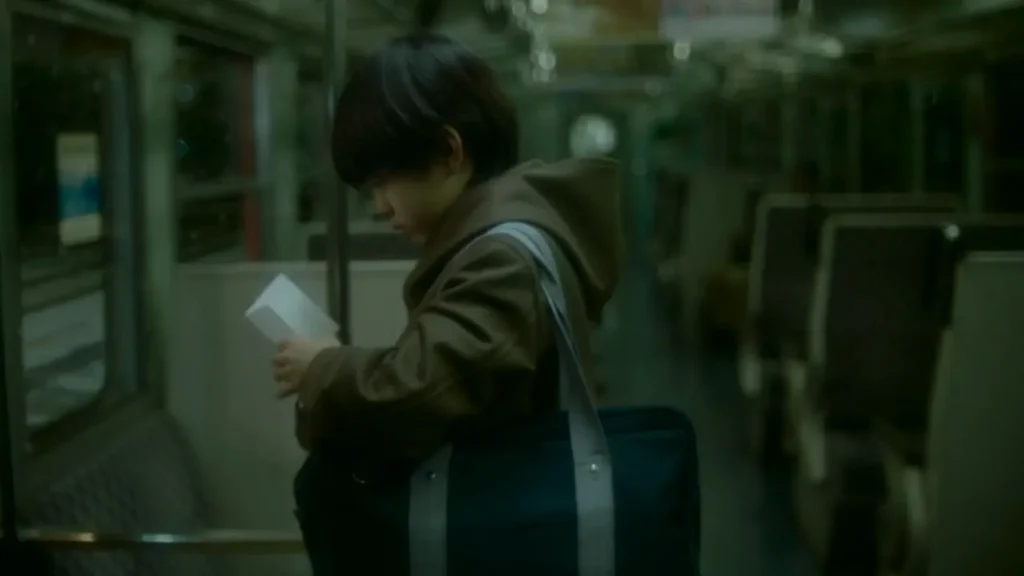
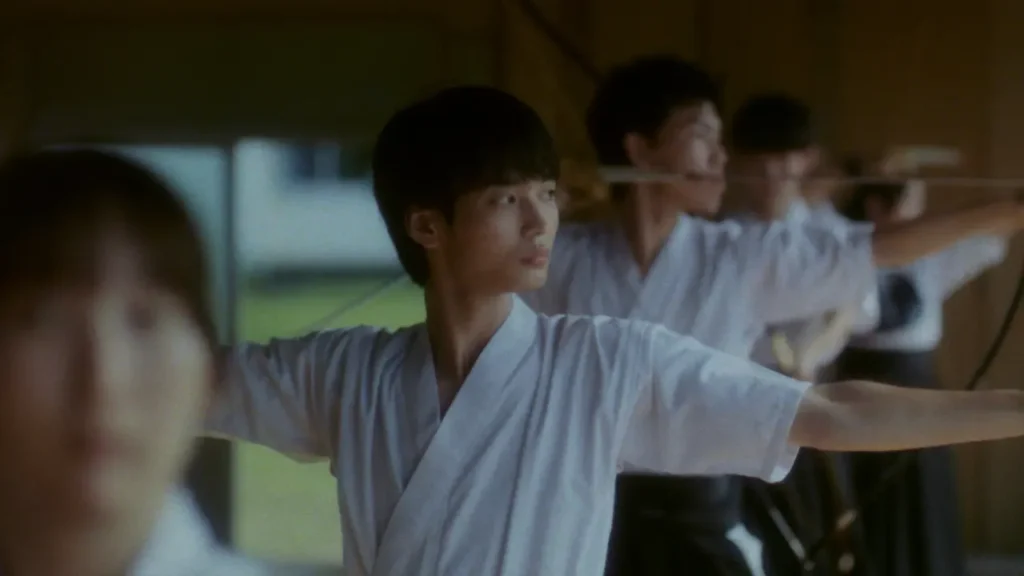
There were also moments that felt slightly disappointing to me
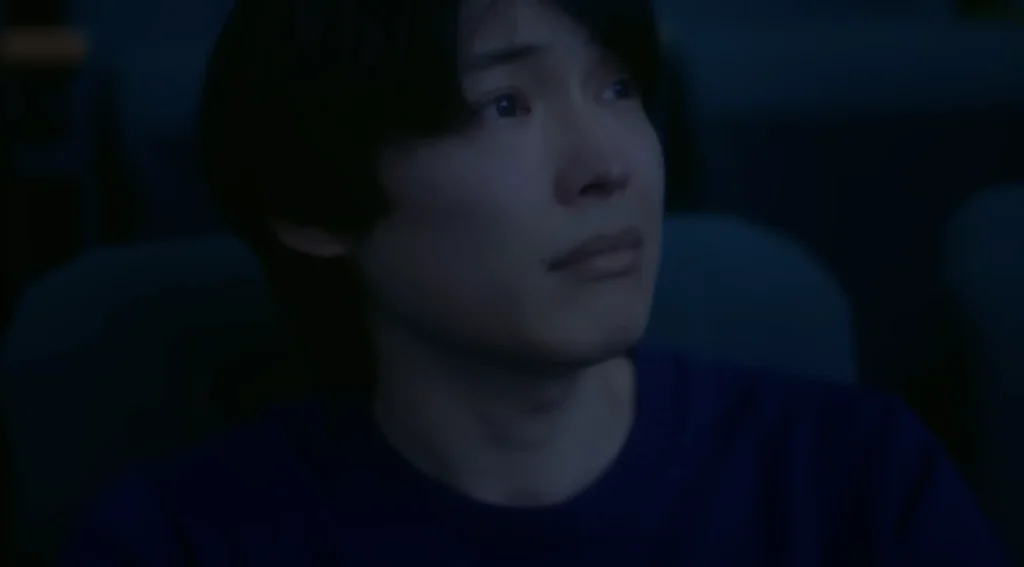
Personally, I found it harder to fully sense young Takaki’s emotions
There was one scene in particular that I had been looking forward to
In Part Two, when Kanae looks at the trailer carrying the rocket and says,
“It’s five kilometers per hour”
In that moment,
I expected Takaki to react with a bit more liveliness
But the emotional expression wasn’t quite what I had imagined
As I reflected on why it felt disappointing,
I realized something
While revisiting the original film and novel,
I had unconsciously defined certain scenes in my own language
Because of that,
I naturally expected the live-action version to unfold exactly as I had pictured it
And when it was expressed differently,
I felt let down
Looking at it from another perspective, however,
perhaps the restraint — the lack of overt emotional reaction —
was intentional
It may have been a way to portray Takaki’s awkwardness and anxiety
as someone for whom everything is still new,
and who is drawn as somewhat timid
I was reminded that when we approach something with a fixed answer already in mind,
we risk missing many things along the way
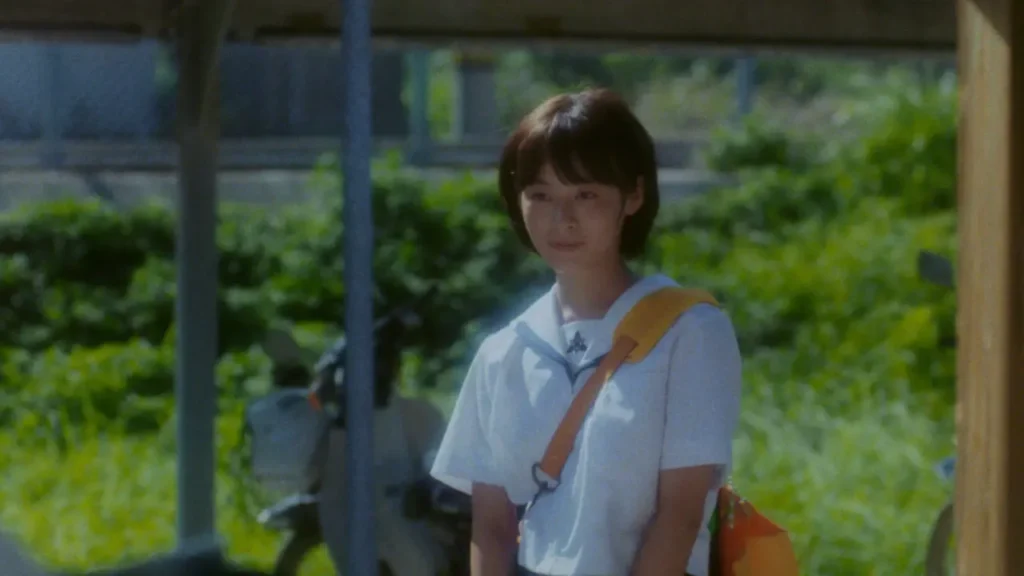
Since I enjoyed the film so much,
there are countless scenes I’d love to revisit
Among them,
there are a few moments I’ve made a mental note of to watch again
The scene where Kanae goes to karaoke with Takaki and sings
felt so tender and gently fluttering
The atmosphere was incredibly sweet
And the scene where Takaki shares a beer with his teacher
and speaks about his childhood on his own
was especially memorable
It was the first time we truly see him smile
and it felt as though a tight knot in my heart had finally loosened
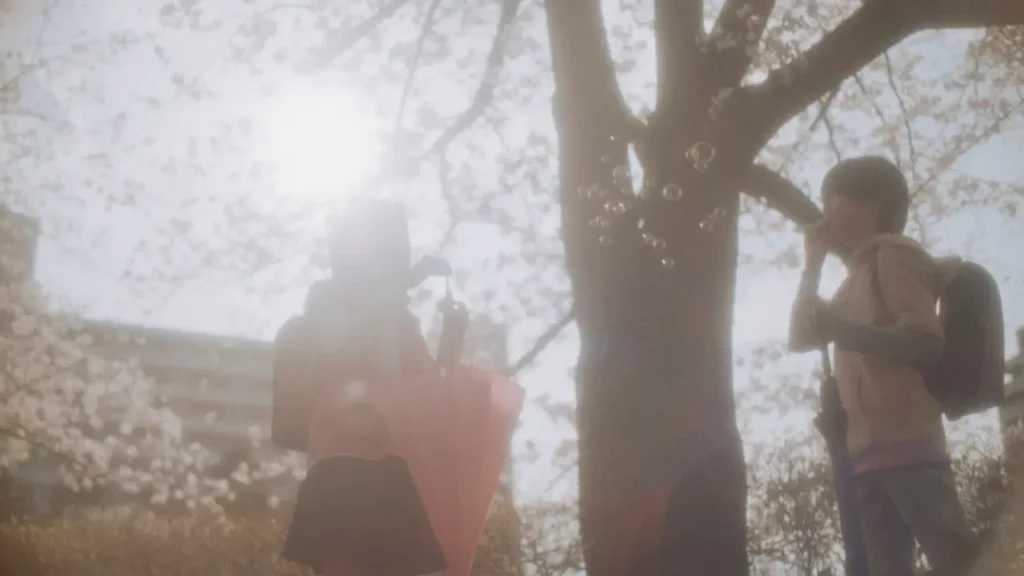
There’s also the rooftop scene
After exchanging a bit of small talk with his senior,
Takaki is left alone, eating the taco he was handed
In the background,
children blow soap bubbles into the air,
and the soft sounds drift around him
Without a single line of dialogue,
the scene quietly shows
that no matter where he is,
no matter what time it is,
he is still thinking about the moments he shared with her
It was a beautifully restrained and powerful sequence
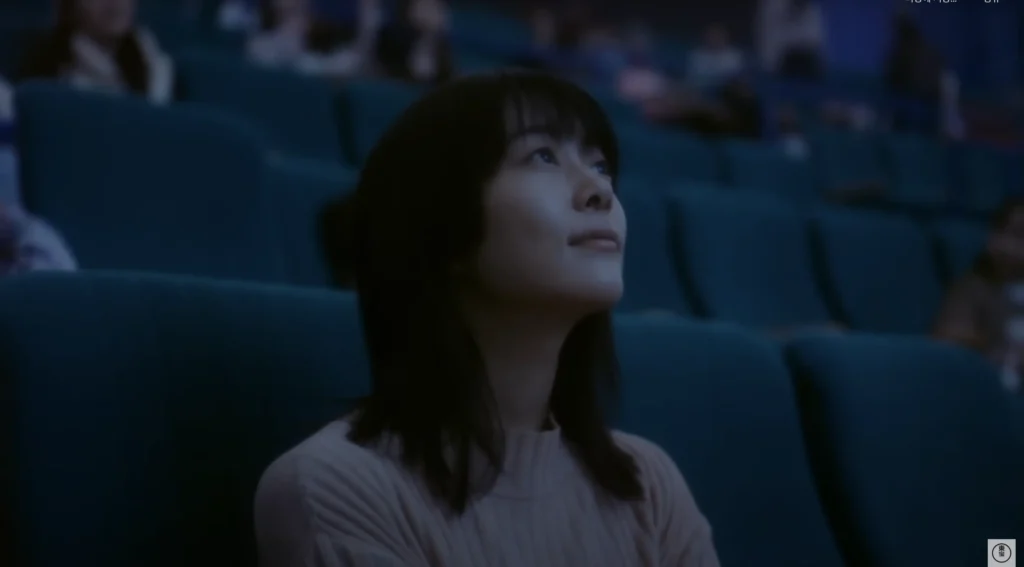
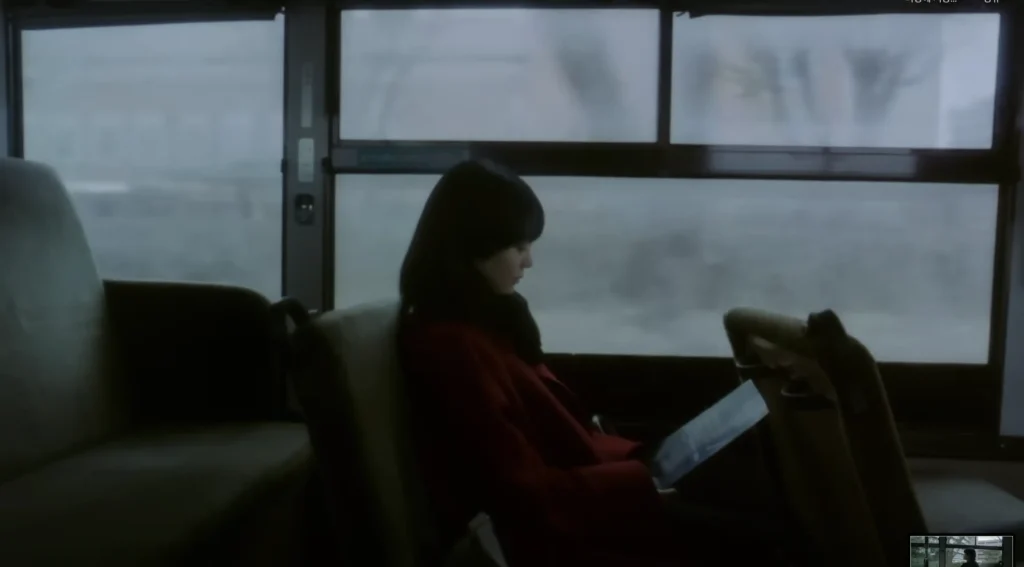
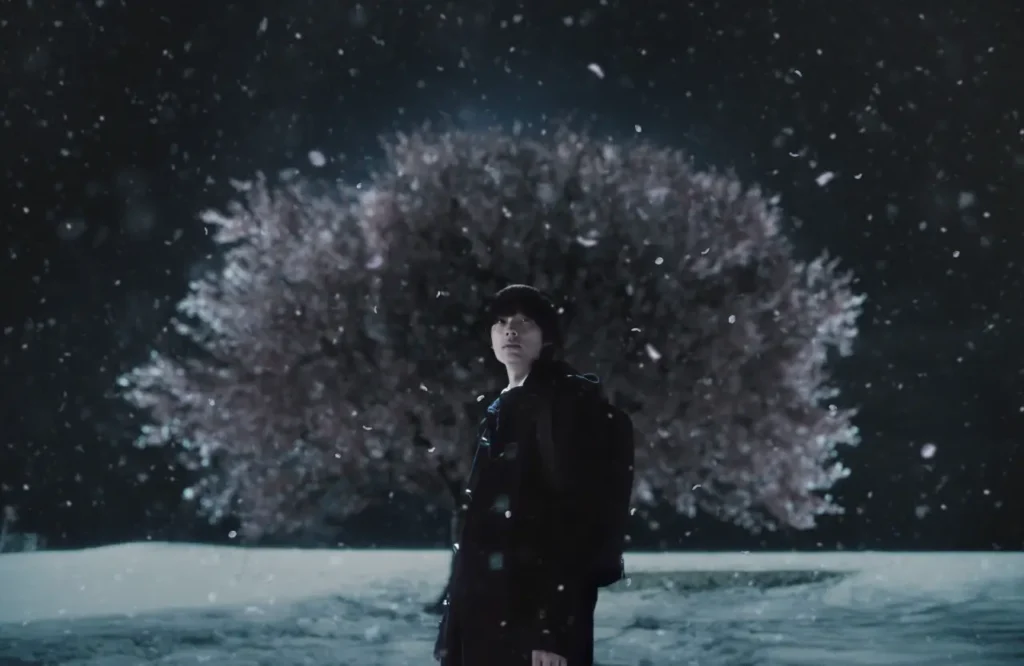
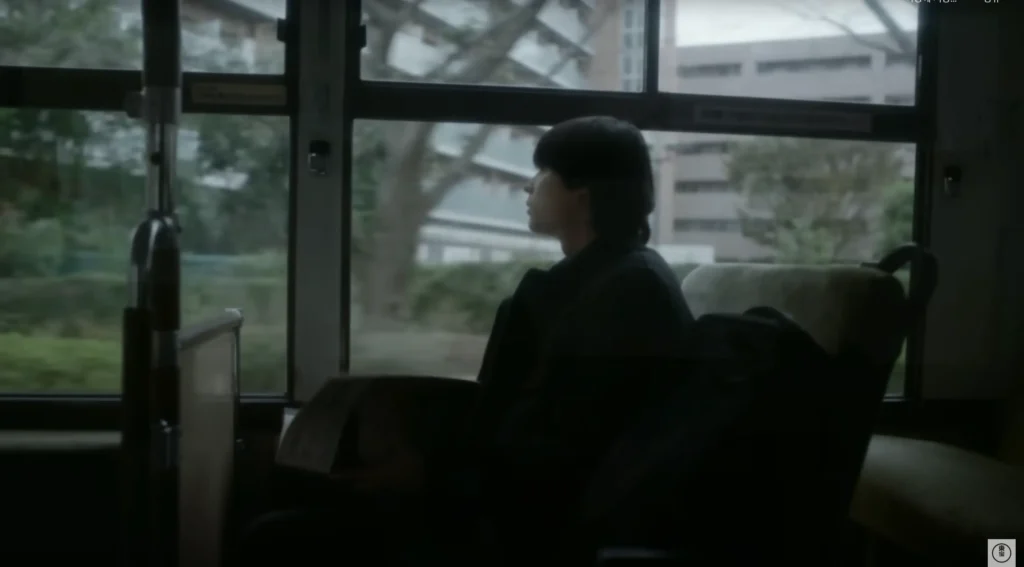
The final sequence was truly the highlight
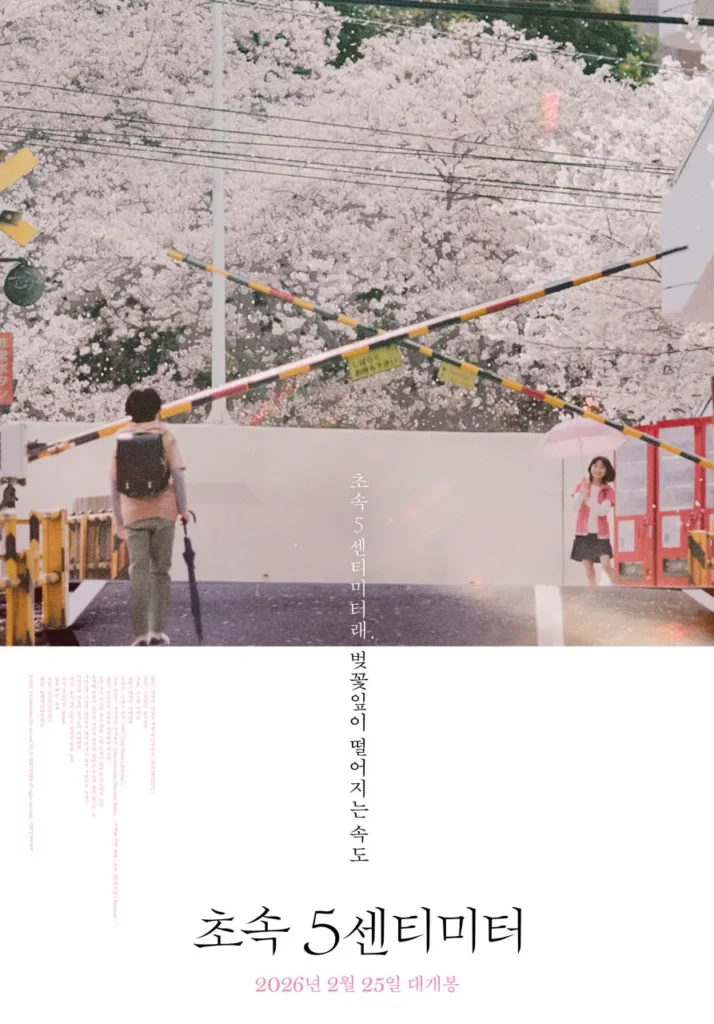
When Takaki, sixteen years later, arrives beneath the cherry blossoms
the petals and the snow falling at the same speed
are shown through subtle shifts in focus
That delicate detail completely struck an emotional chord with me
And Akari’s line
is something I don’t think I’ll ever forget
I think I’ll wrap up my thoughts here
Thanks to 5 Centimeters per Second,
it has been a genuinely meaningful and enjoyable week
I’ll end by sharing one lingering question
(Still holding on until the very end…)
Questions (Anyone who knows, please tell me!)
One thing I kept wondering about while watching the film
was the frequent use of what felt like handheld camerawork,
especially in the early sequences
The frame often trembles slightly,
as if it were intentionally unstable
I’m certain there must have been a purpose behind it,
but I couldn’t quite pinpoint the reason
If I had attended a GV,
this would have been my question
My personal interpretation was that
perhaps it symbolizes Takaki’s lingering, unresolved anxiety
But I’m not entirely convinced by my own explanation
If you noticed something similar
or have any thoughts or insights about it,
please feel free to share them in the comments