The Power of Film to Reignite Interest in History — A Review of The Man Who Lives with the King
This Lunar New Year season, theaters feel more lively than usual
A range of highly anticipated films
have been released one after another
Alongside The Man Who Lives with the King, which I watched this time,
let’s take a quick look at what else hit the screens — just briefly
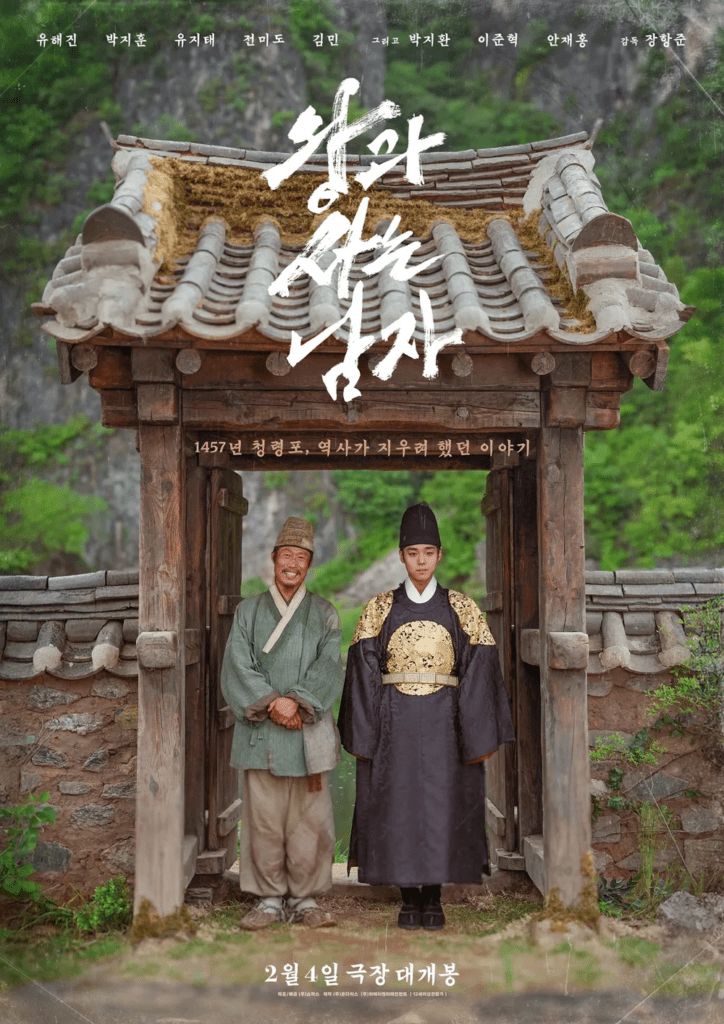
On February 4, The Man Who Lives with the King, directed by Jang Hang-jun, was released first
It’s already been generating plenty of buzz
As I’ll mention in the review below, it was genuinely entertaining —
fun enough that I’ve been recommending it to people around me
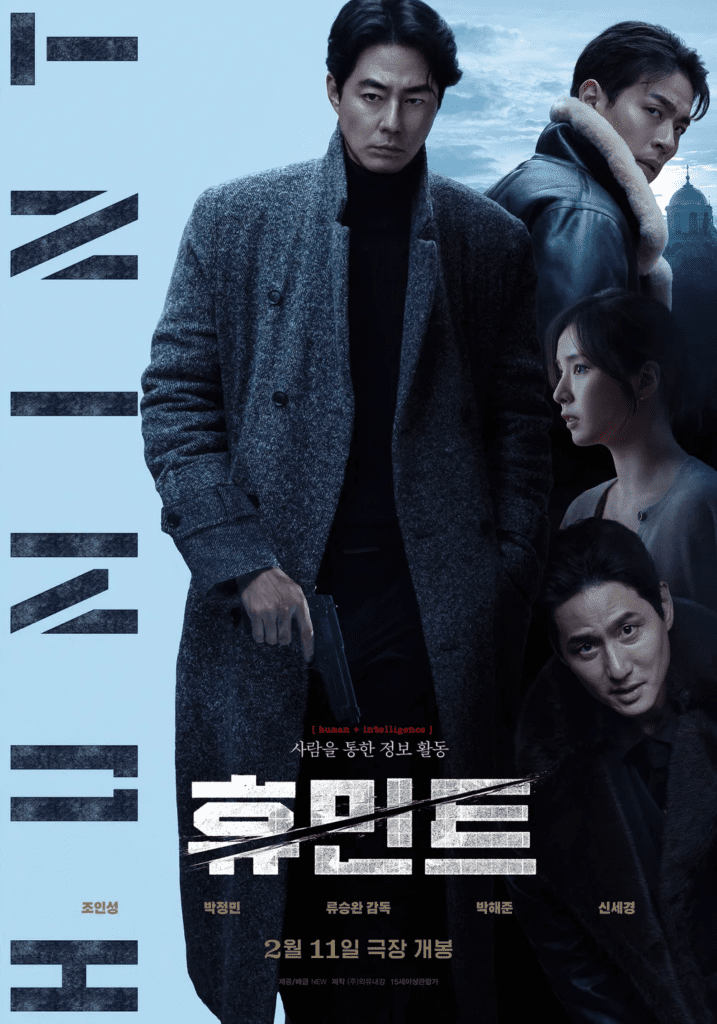
Then on February 11, Humint, directed by Ryoo Seung-wan, hit theaters
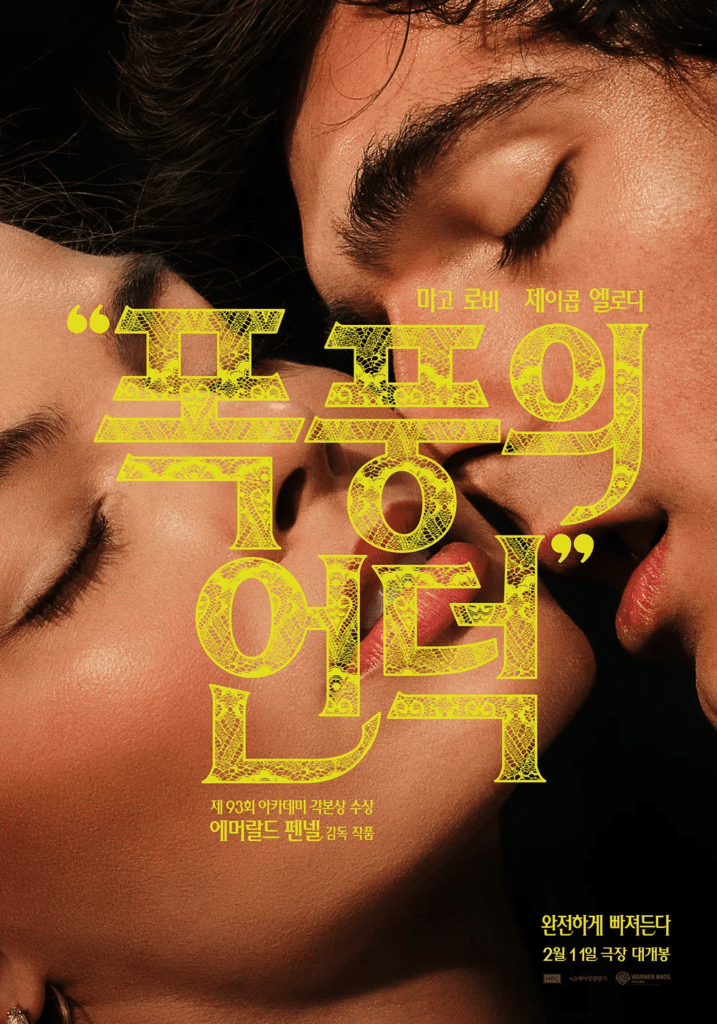
Along with Wuthering Heights, based on the novel by Emily Brontë
Historical drama — espionage — romance
This holiday season offers three very appealing choices
Hopefully, you’ll find one that perfectly suits your taste
(※ Do keep in mind that Wuthering Heights has fewer screens
due to competition from domestic releases ※)
Now, let’s talk about the film I watched today,
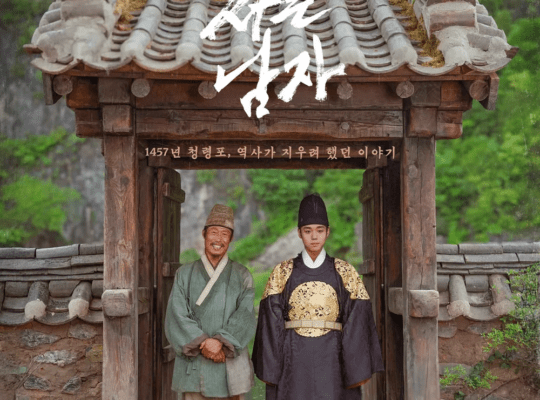
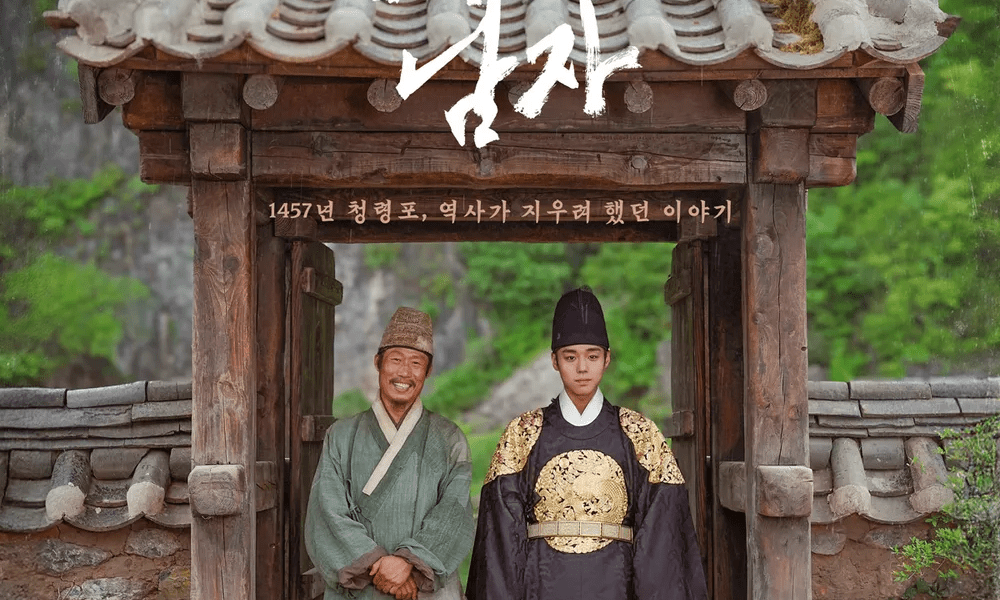
The Man Who Lives with the King
<Plot>
The story is set in the 15th century
The historical backdrop centers on the reign of King Danjong (Yi Hong-wi), the sixth king of Joseon
and the turbulent period immediately following the Gyeyu Coup
Driven by his thirst for power and ambition for the throne,
Grand Prince Suyang has just staged a rebellion, throwing the court into chaos
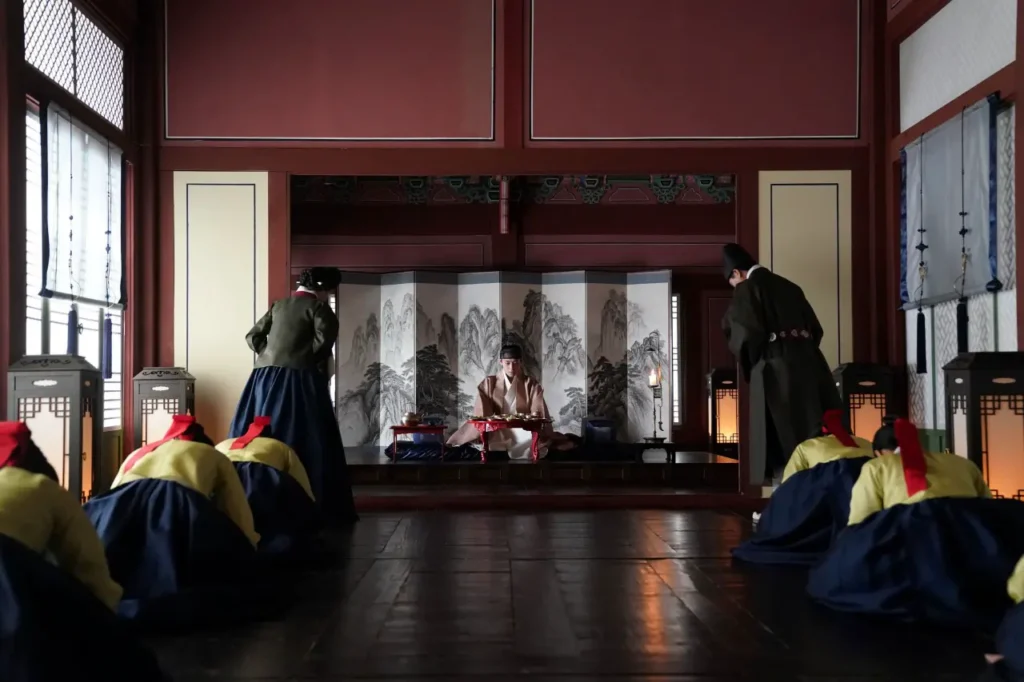
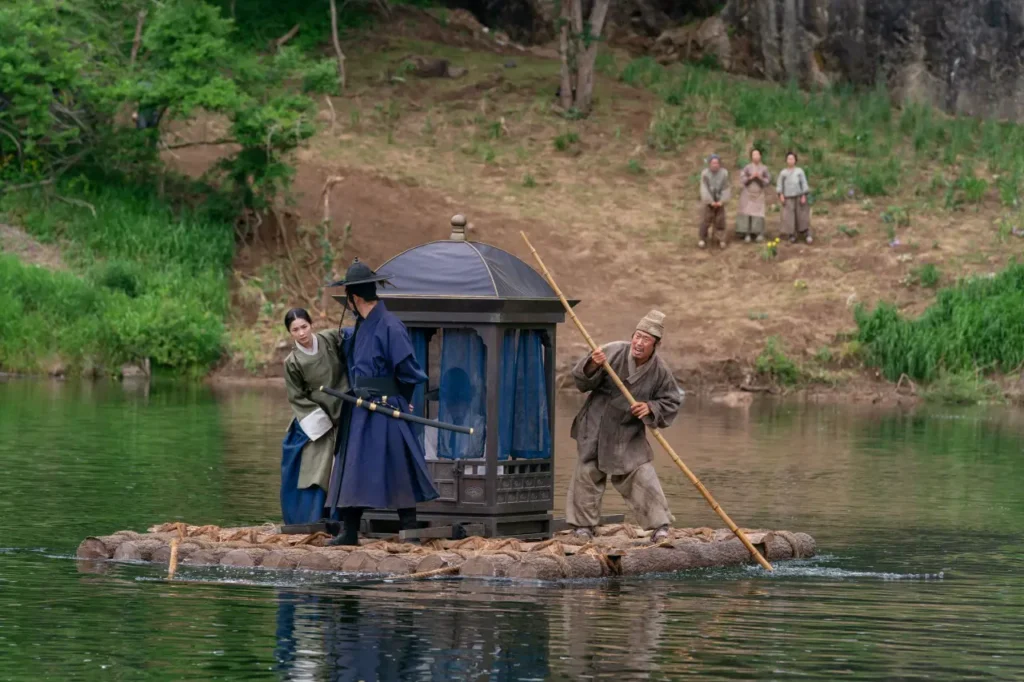
King Danjong is ultimately forced from the throne
and exiled to Yeongwol in Gangwon Province
You can think of the film as an imaginative reconstruction
of that little-recorded period of his life
<Casting & Performances>
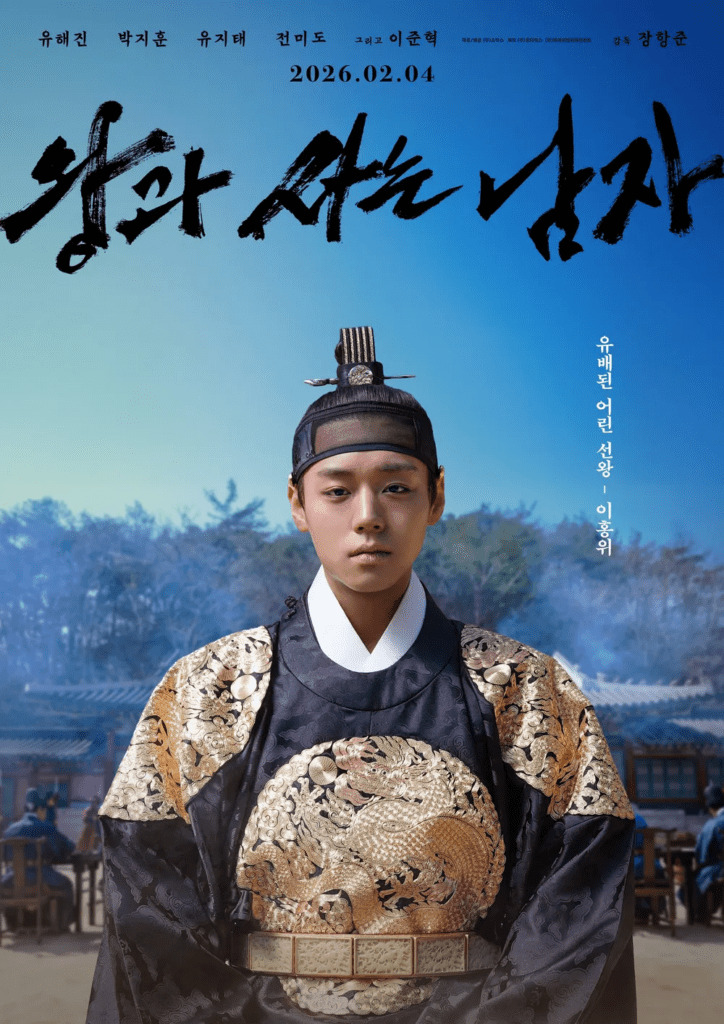
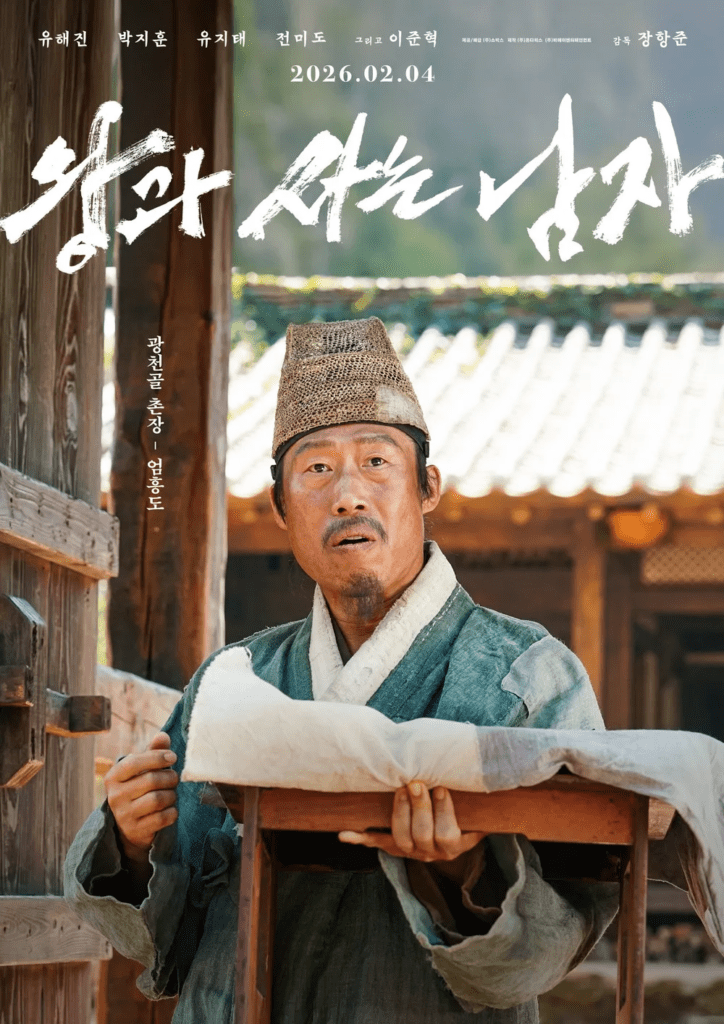
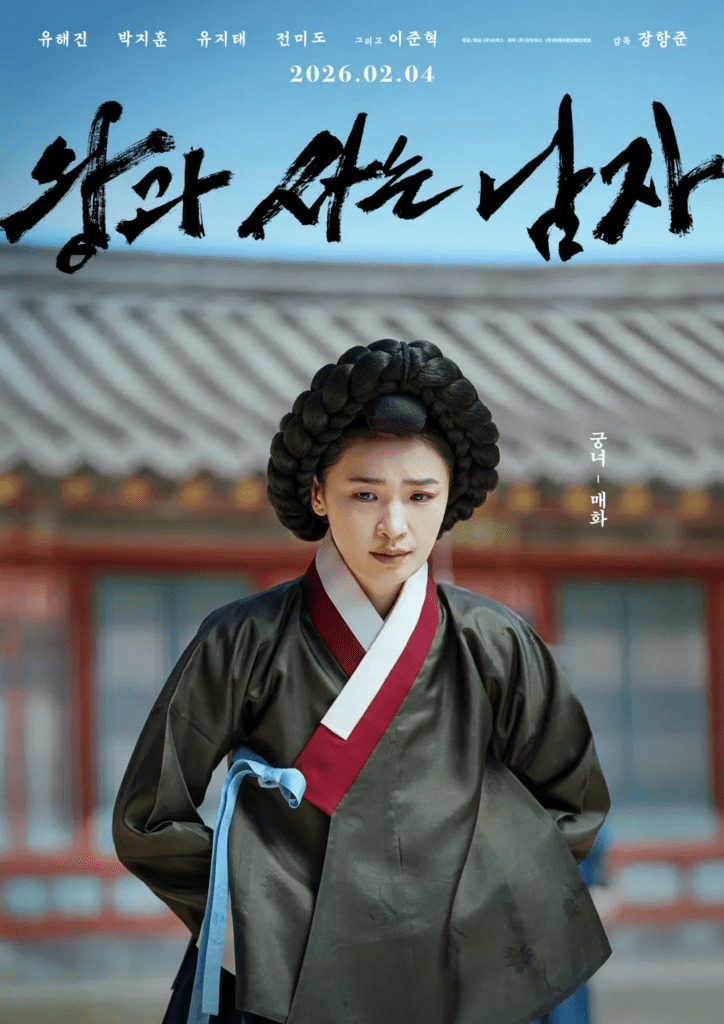
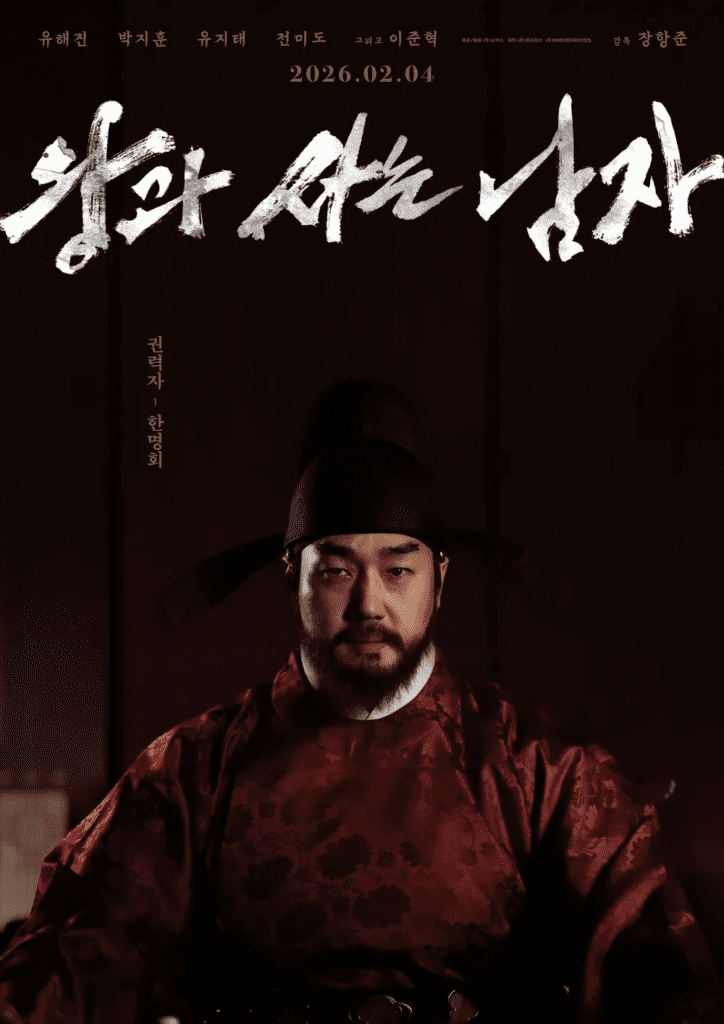
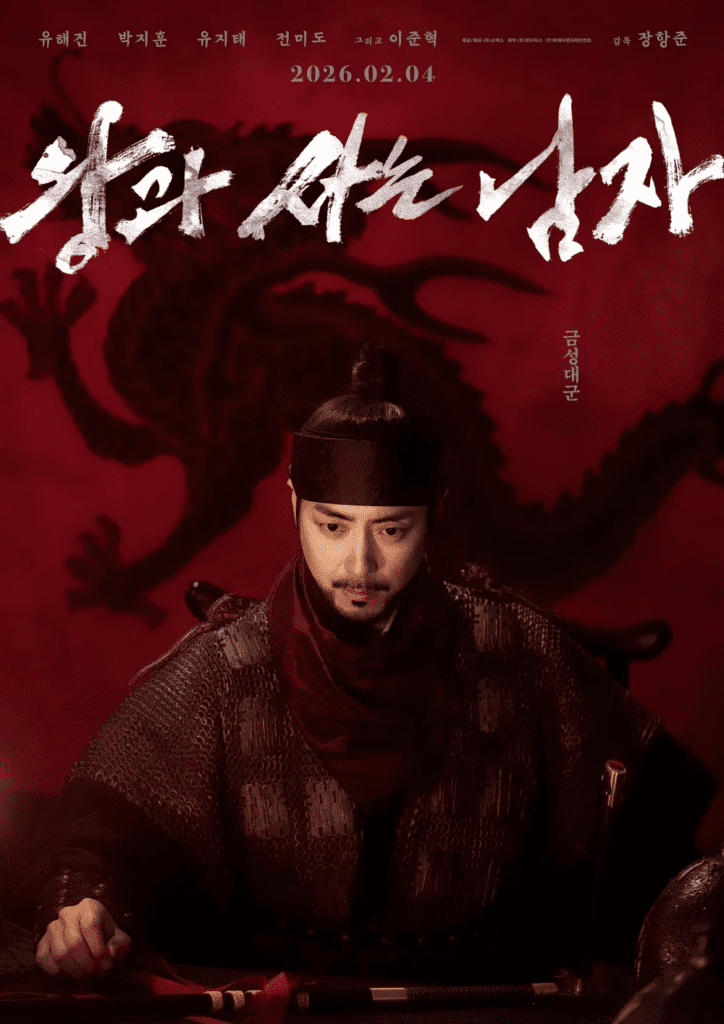
The film is led by a strong ensemble cast, including
Yoo Hae-jin, Park Ji-hoon, Yoo Ji-tae, Jeon Mi-do, and Lee Jun-hyuk
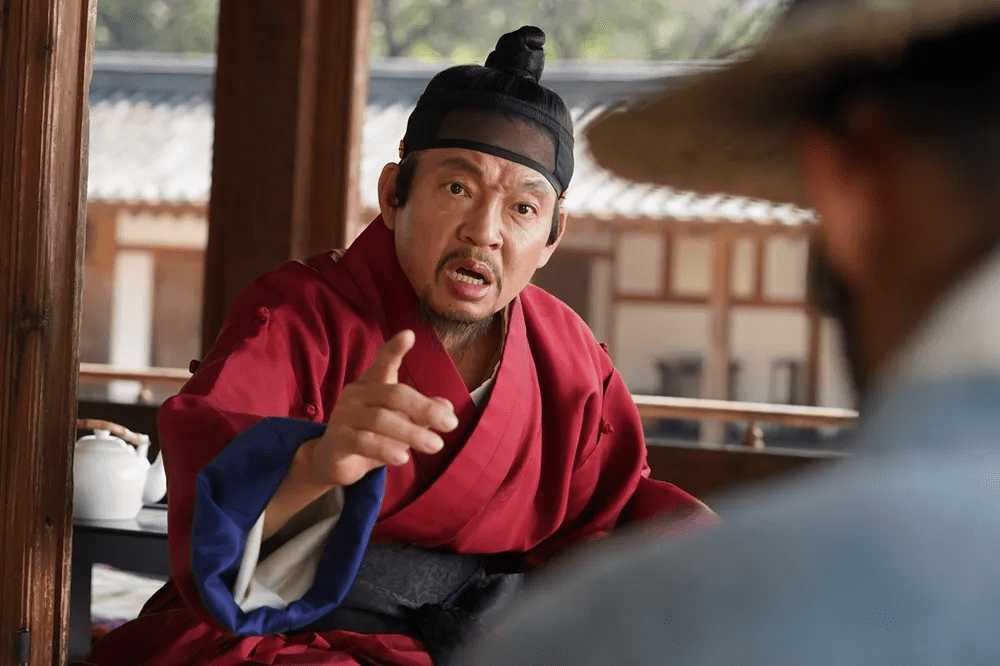
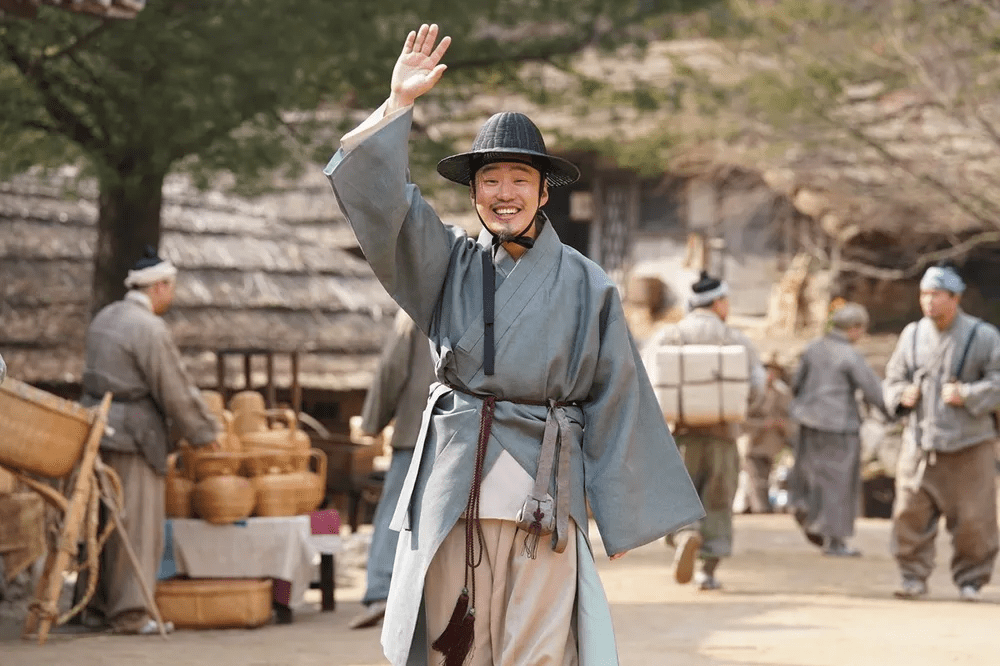
Meanwhile, actors such as Oh Dal-su, Jang Hyun-sung, Park Ji-hwan, and Ahn Jae-hong
appear in memorable supporting roles, each adding their own distinct presence
Honestly, just looking at the cast list, you might think, “This is unreal.”
But sometimes highly anticipated lineups can be disappointing
That’s not the case here
This one absolutely delivers — more than enough to savor
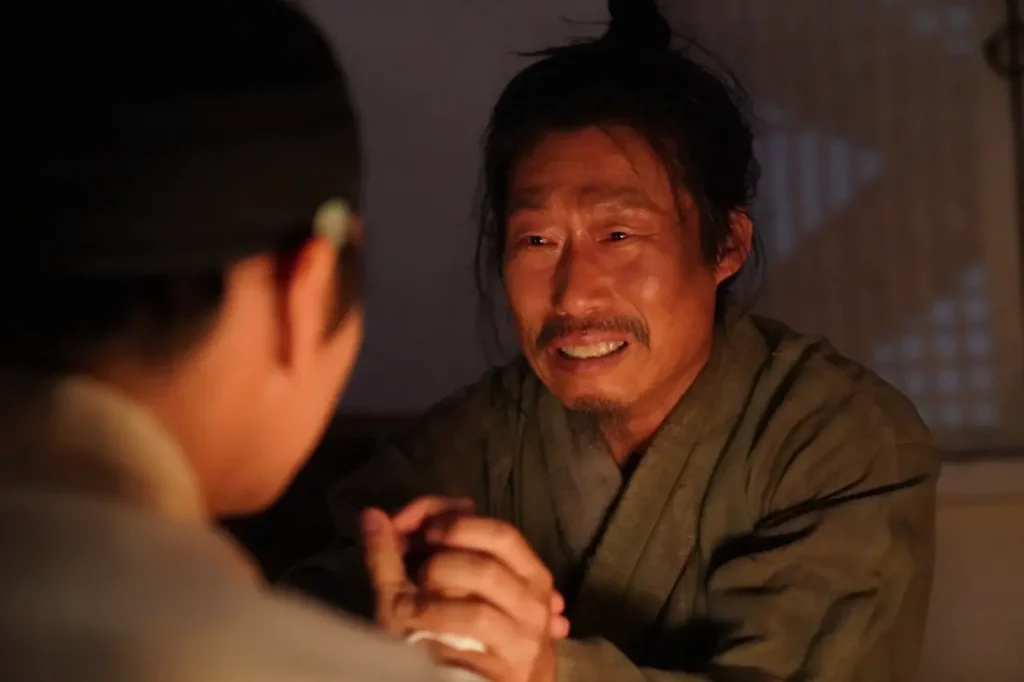
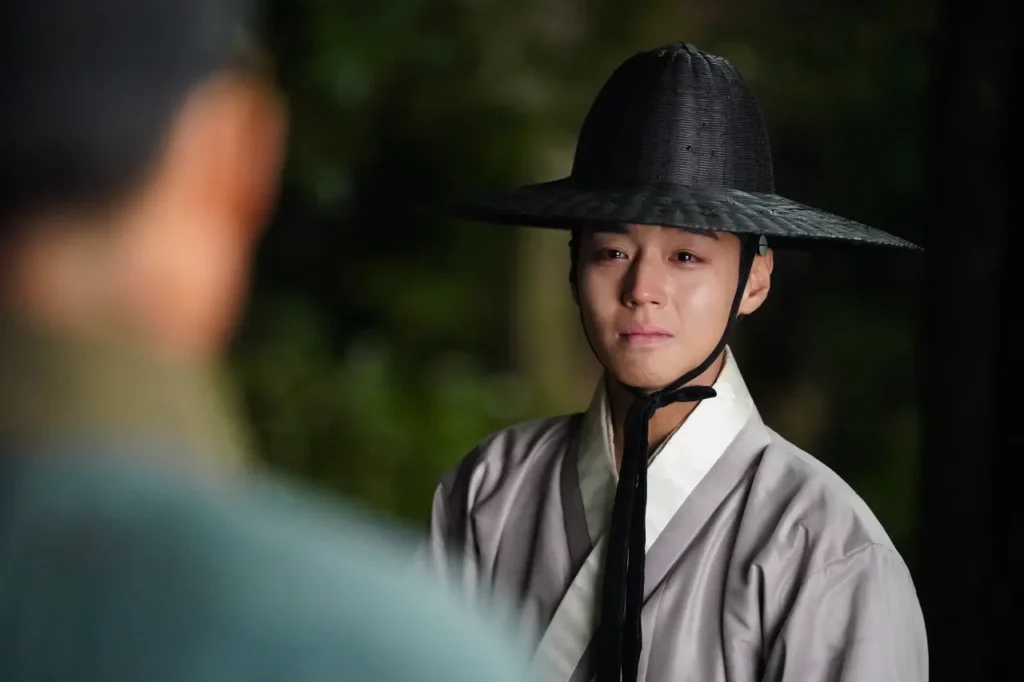
Yoo Hae-jin and Park Ji-hoon, the film’s two leads, deliver performances that make it impossible not to become fully immersed
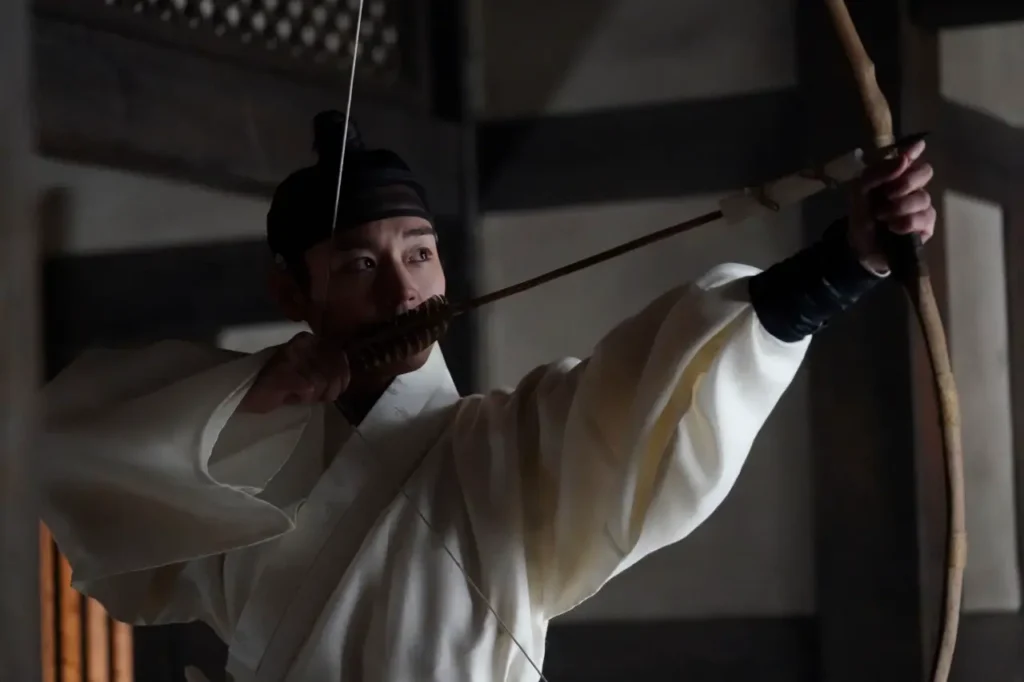
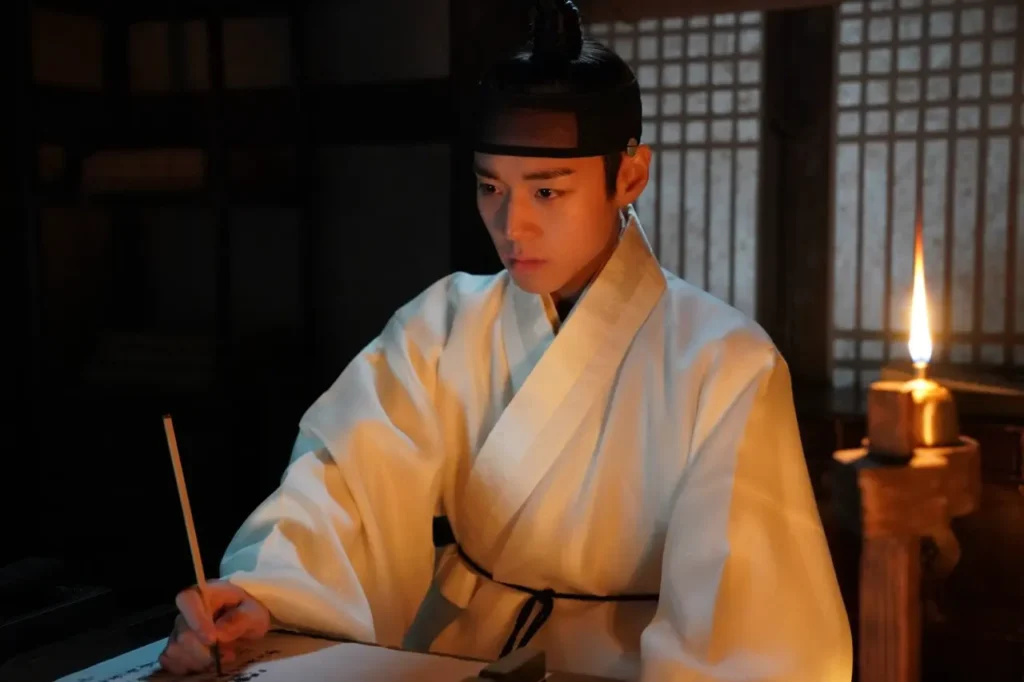
In particular, I walked away as a genuine admirer of Park Ji-hoon’s acting
He captures the profound helplessness of the young King Danjong — a boy who never truly had the freedom to choose his own path
The lifeless, exhausted gaze of someone who has watched everyone around him perish, who has lost the will to live
Yet within that stillness, you can sense everything simmering beneath the surface —
rage, sorrow, quiet dignity as a royal, and at times, simply the fragile presence of a young boy
In scene after scene, those emotions feel almost tangible, as if they pass straight through the screen
Especially in the early moments, when Danjong has withdrawn from the world and refuses even to eat,
there was something about his eyes that made my chest ache
It was genuinely difficult to watch at times
<Review>
For me, this was one of those films that linger long after the credits rolled
There are plenty of genuinely entertaining moments, which also makes it a great choice to enjoy with family
To put it in more conservative terms, while the specific events are fictional, the broader framework is rooted in historical fact
That does make parts of the narrative somewhat predictable
Depending on personal taste, a few scenes might feel slightly underwhelming
(the deer and tiger sequence, for instance — haha)
Still, in my view, this is a remarkably well-made film
The performances alone are outstanding, and the way the film naturally sparks curiosity about Korean history gives it even more value
I believe that alone is more than enough reason to watch it
Wishing everyone a wonderful holiday,
and hopefully you get the chance to share a great film with someone special_!
<Further Reading>