Hayao Miyazaki reversed his retirement
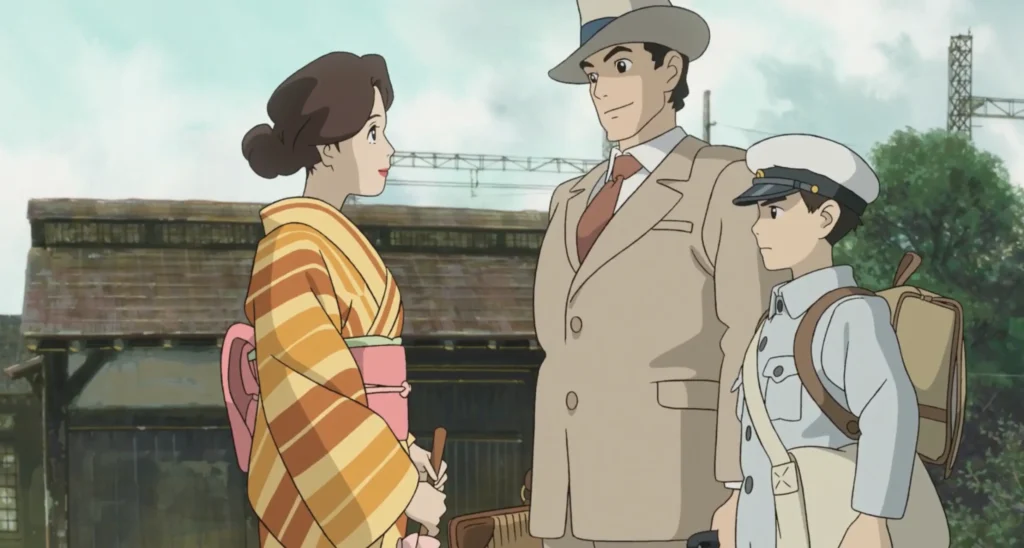
and after ten years since The Wind Rises (2013),
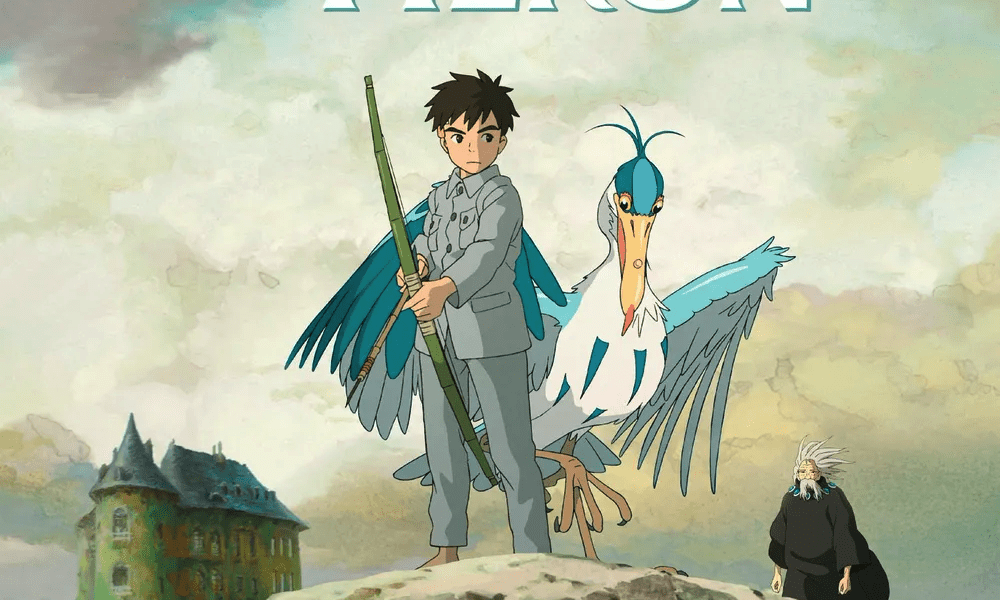
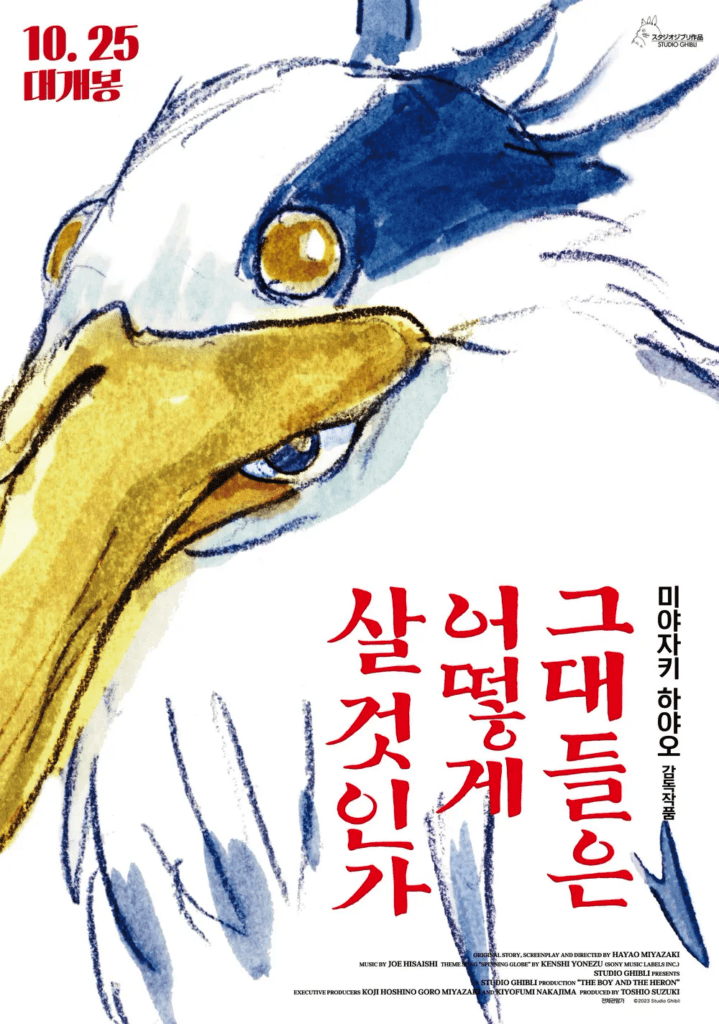
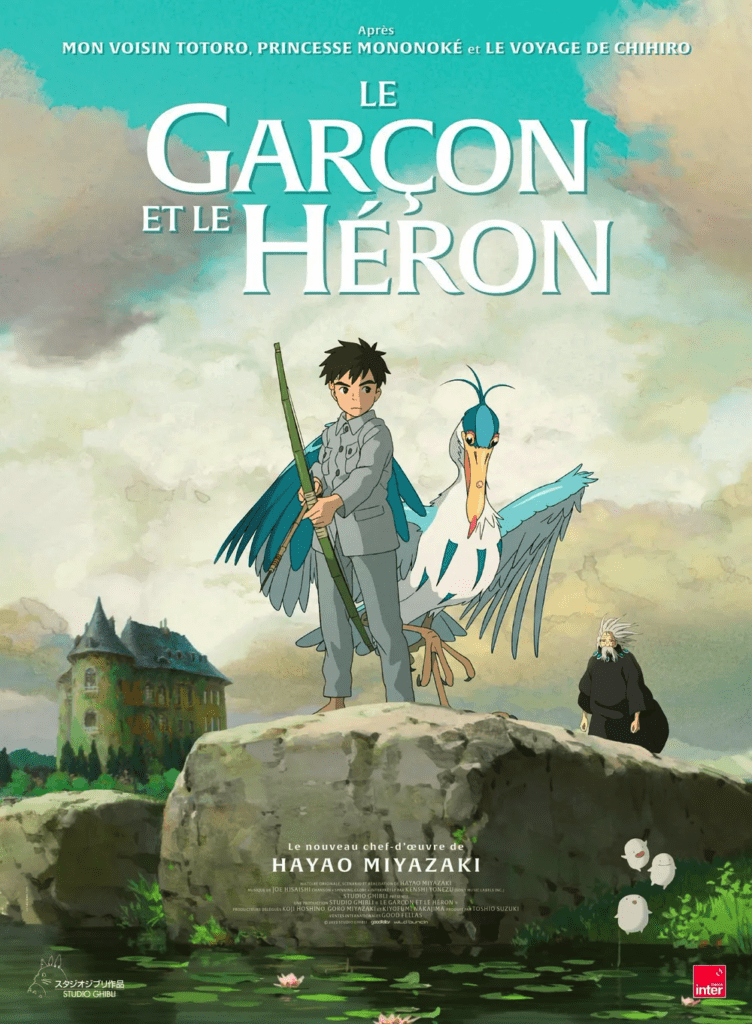
he returned with The Boy and the Heron (2023)
I didn’t get to see it when it was first released
but uninvited opinions from others
found their way to me—
through both my eyes and ears
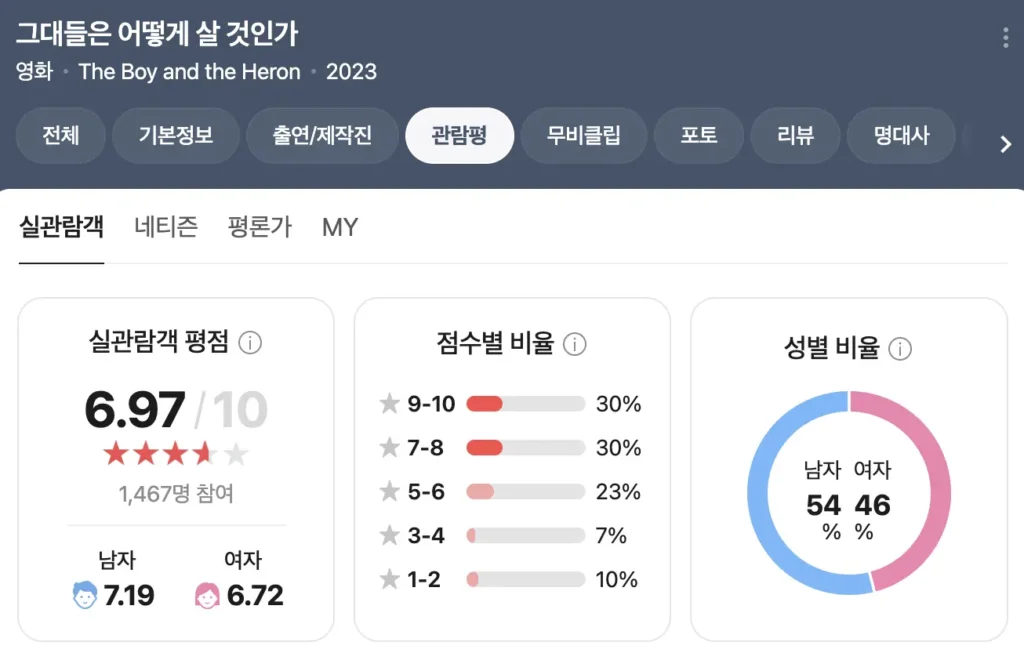
People said the reactions were sharply divided
that it was a film you either loved or didn’t

In film as a medium,
the most common reason opinions split so sharply
is often accessibility
Movies that are easy to understand and straightforward
tend not to be judged in terms of love or hate,
but by other standards altogether
Even so,
why would Miyazaki choose to return after ten years
with a film this dense and elusive
for his un-retirement project?
Or perhaps
it’s only we, the viewers,
who find it difficult
After all,
for the director who conceived and created it,
this may have been a clear and deeply personal story—
one where his autobiographical experiences
and the message he wished to convey
were woven into every scene,
expressed through metaphors meant to be understood rather than decoded
I don’t think I understood this film
exactly as the director intended
But how a work is understood
belongs entirely to the viewer
There is no single correct answer
The film holds many things within it

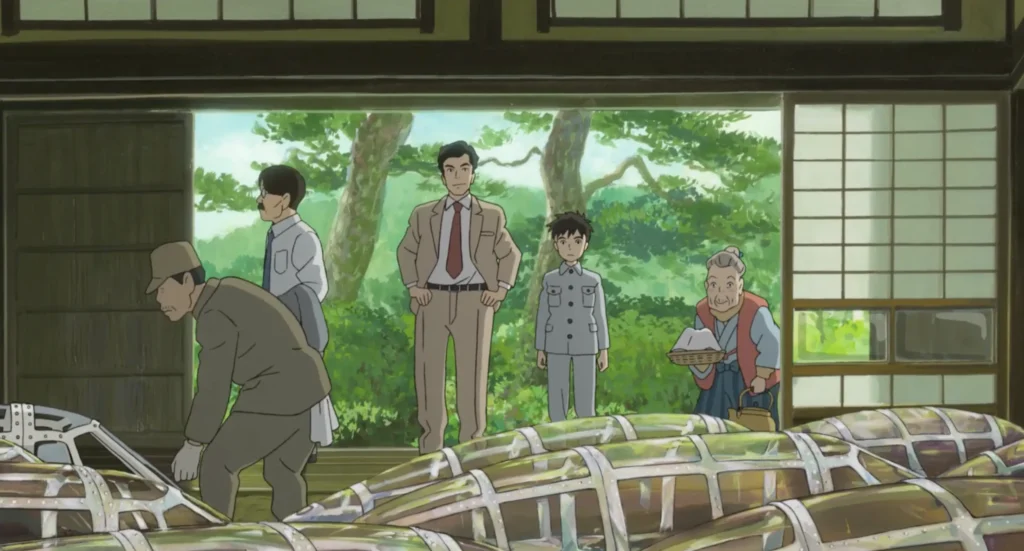
Hayao Miyazaki’s autobiographical elements
his relationship with his father and mother
the era he was born into
and his childhood experiences during World War II
a relatively affluent upbringing made possible
by his family’s military aircraft factory—
and the lingering sense of debt and guilt
that came with it
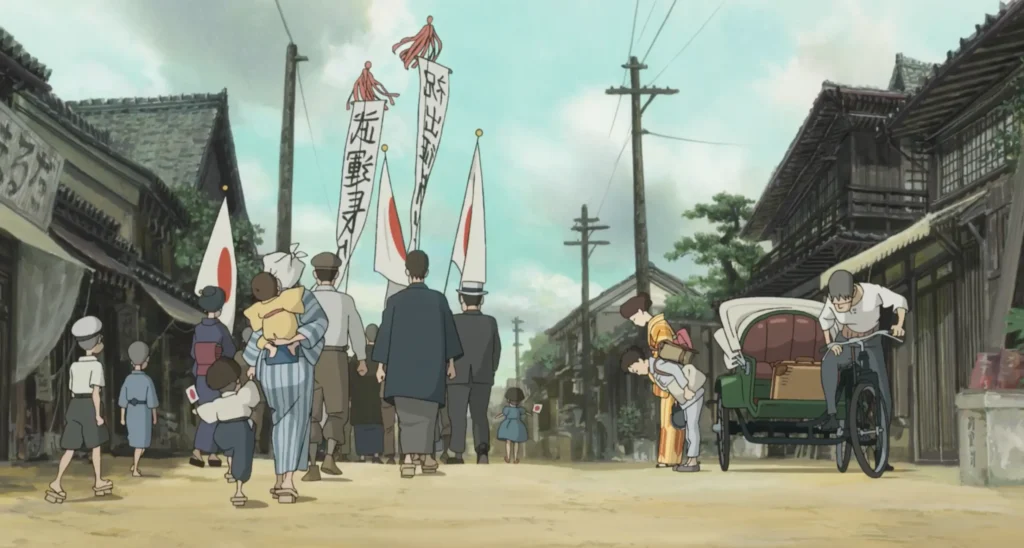
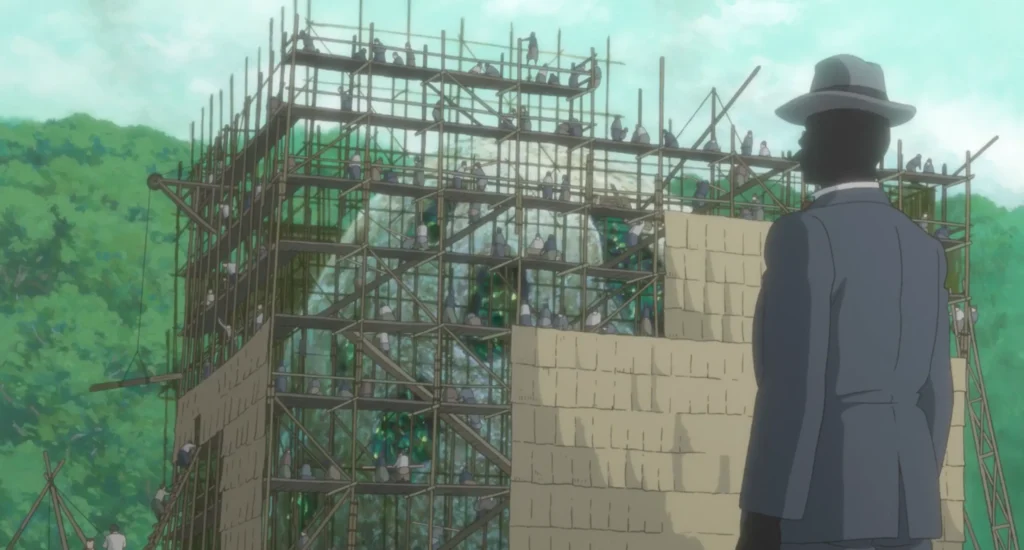
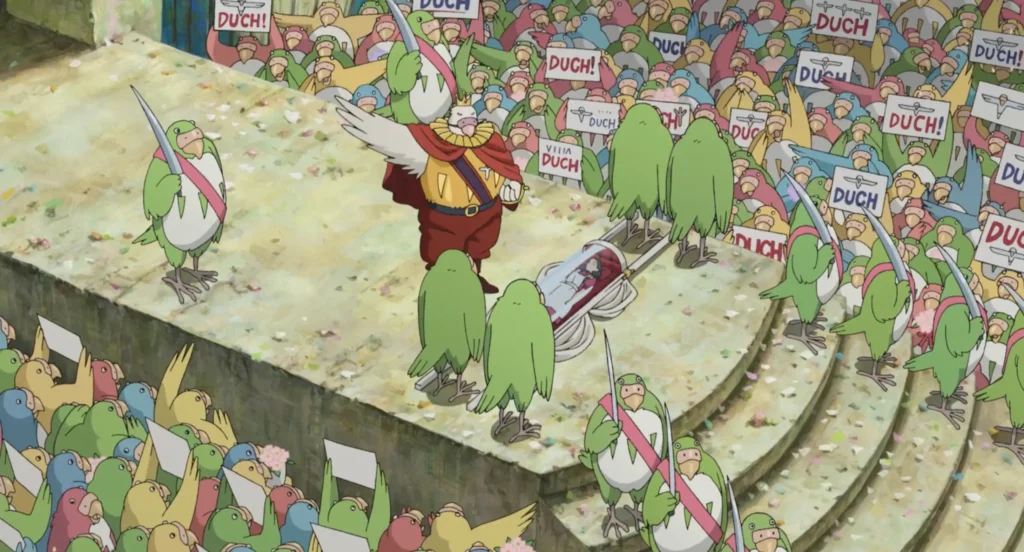
World War II, anti-war ideology, militarism, fascism, and authoritarian regimes
the history of Japan
and the history of the world
and then—
the other world
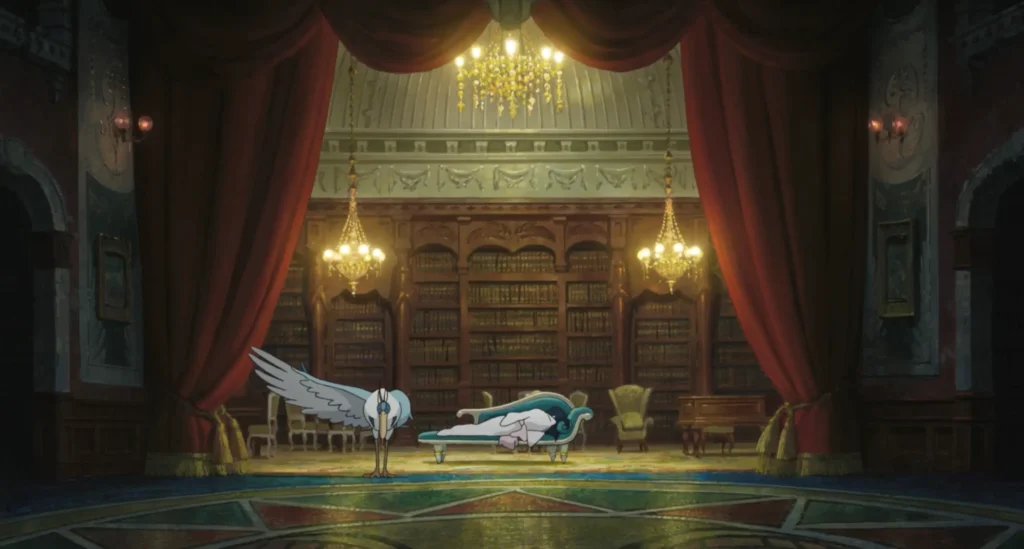
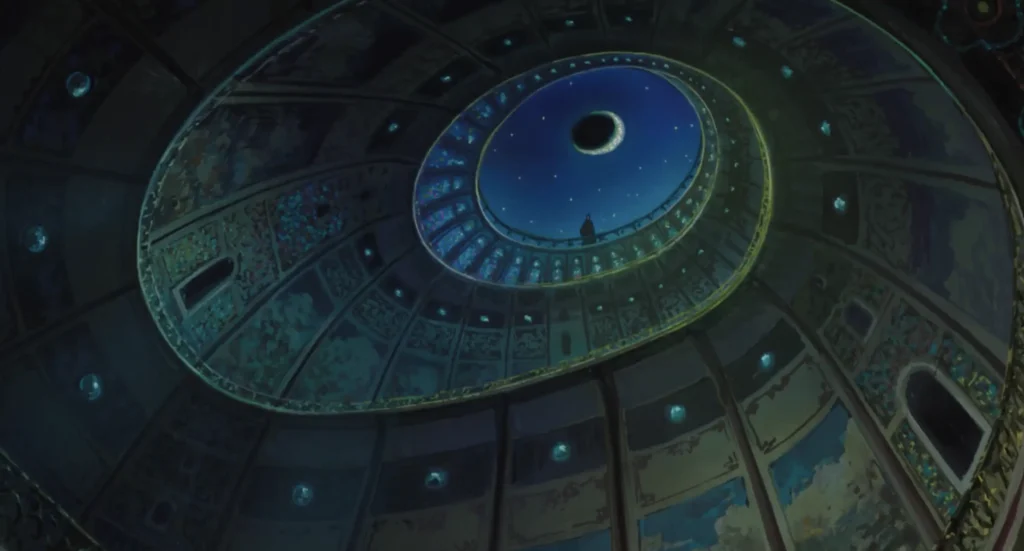
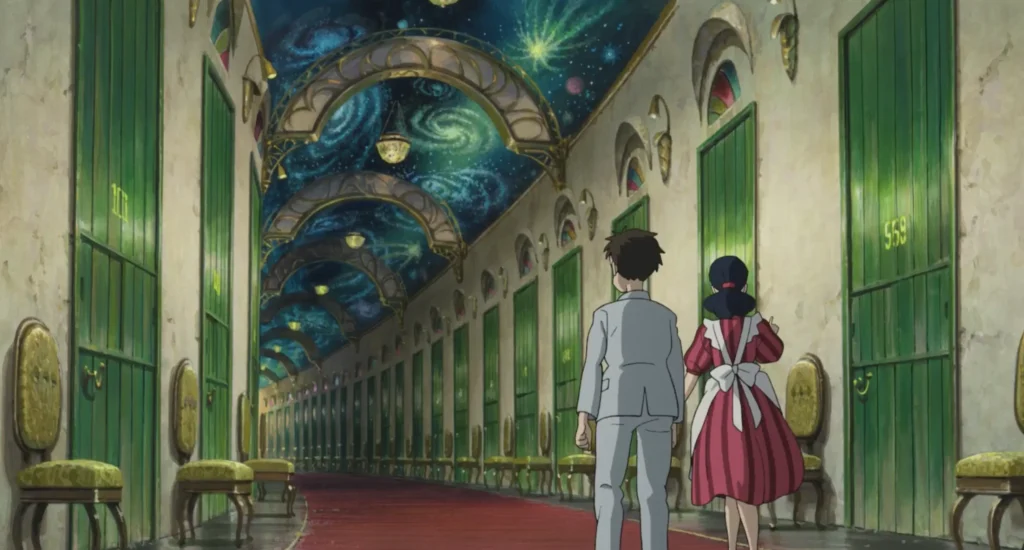
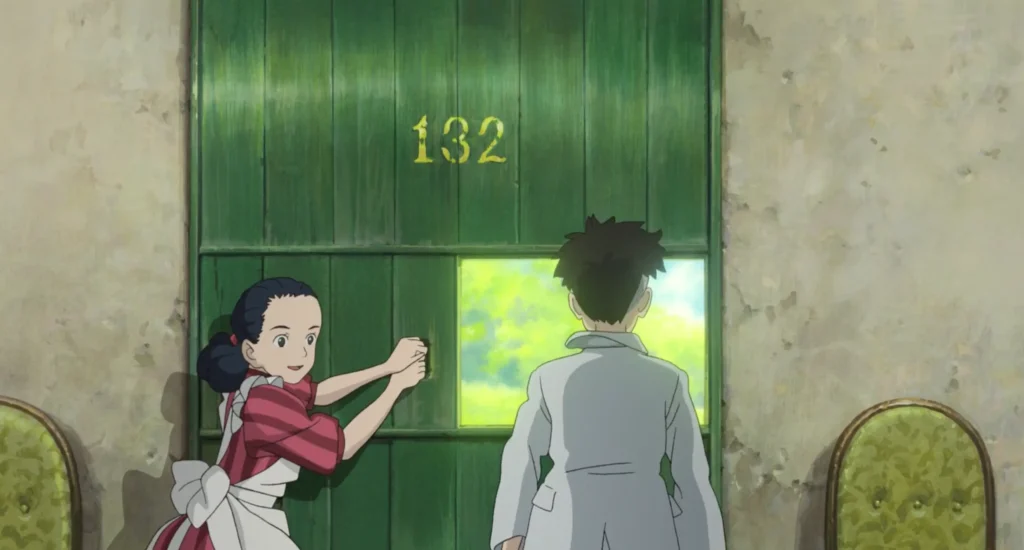
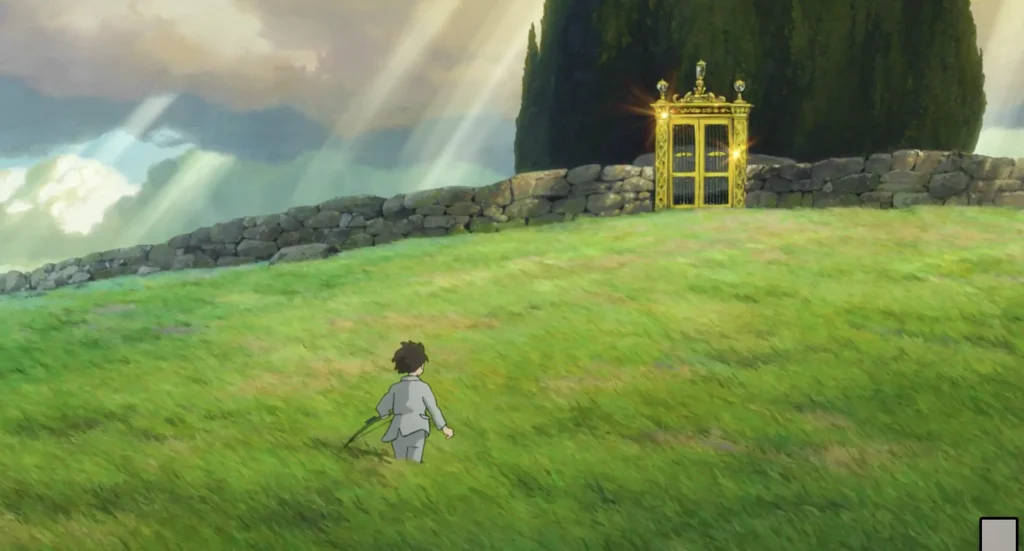
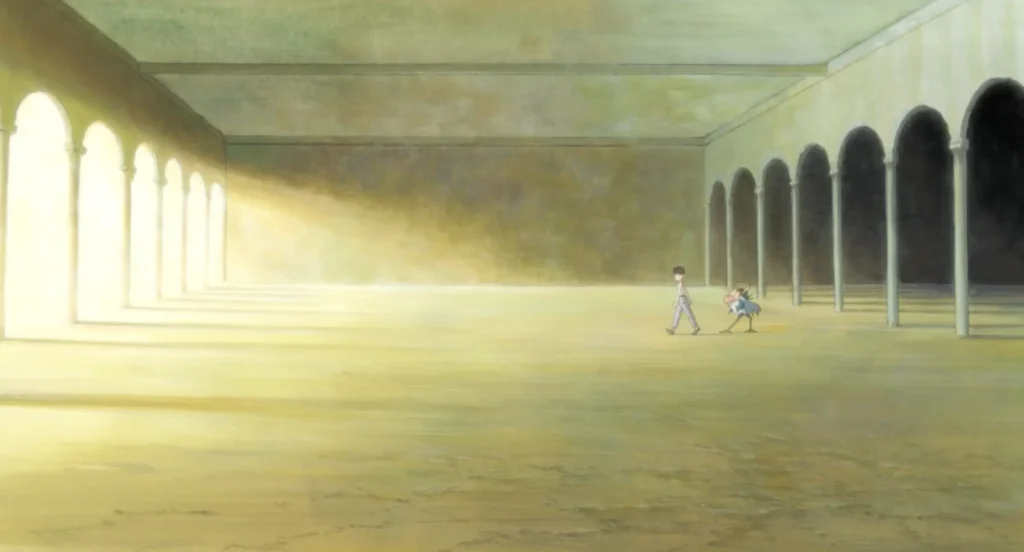
I love Studio Ghibli films,
but I don’t deeply know Miyazaki’s life,
nor do I have a strong understanding
of Japanese or world history
So rather than forcing myself
to understand everything,
I chose to accept only what I could
If I had to pick the scene
that was hardest to grasp,
it would probably be the childbirth room scene
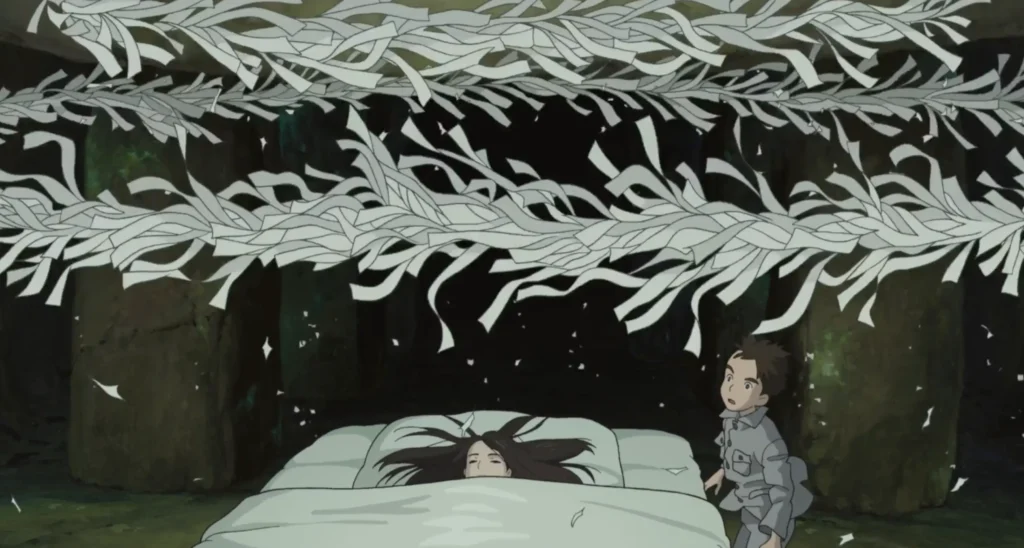

Even so,
this film made me feel so many things
<While Watching the Film>
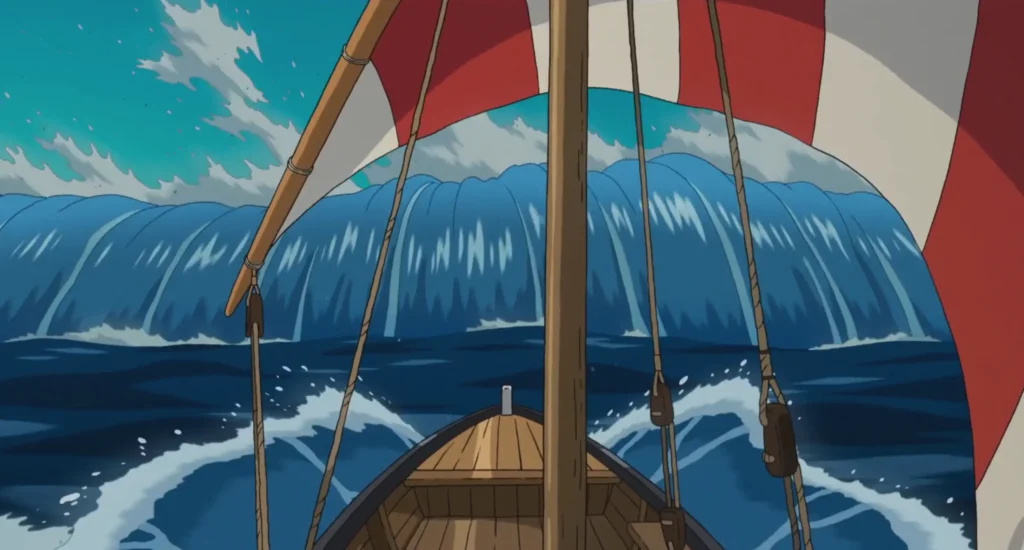
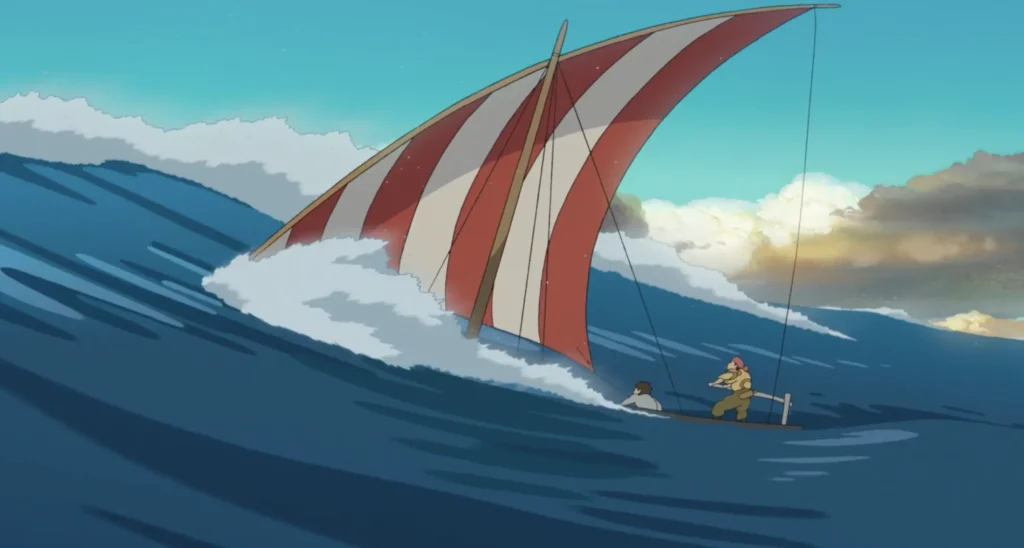
00:57:20
“A great wave is coming.
After that, it will be smooth sailing.”
Whenever I face an overwhelming moment,
I want to remember
that a beautiful moment will follow
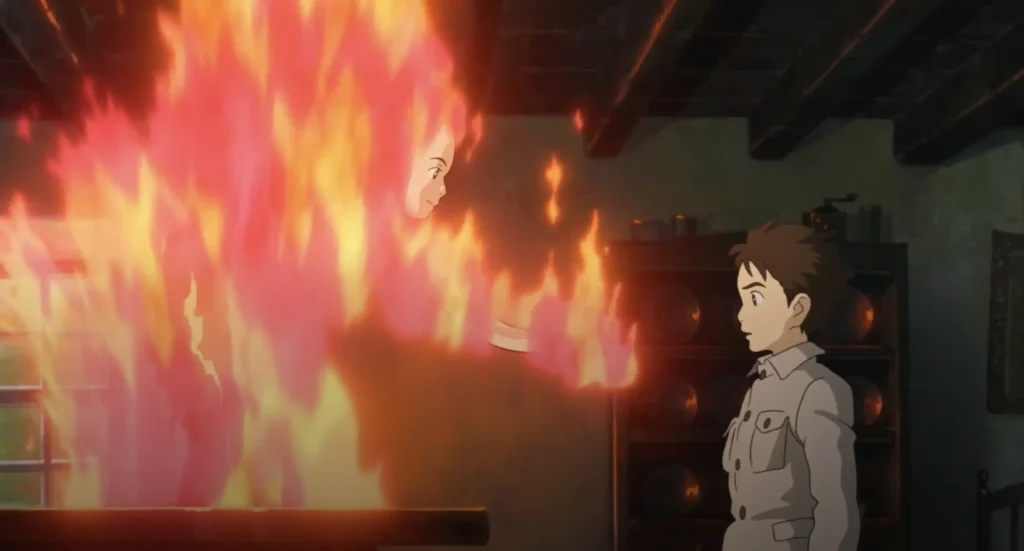
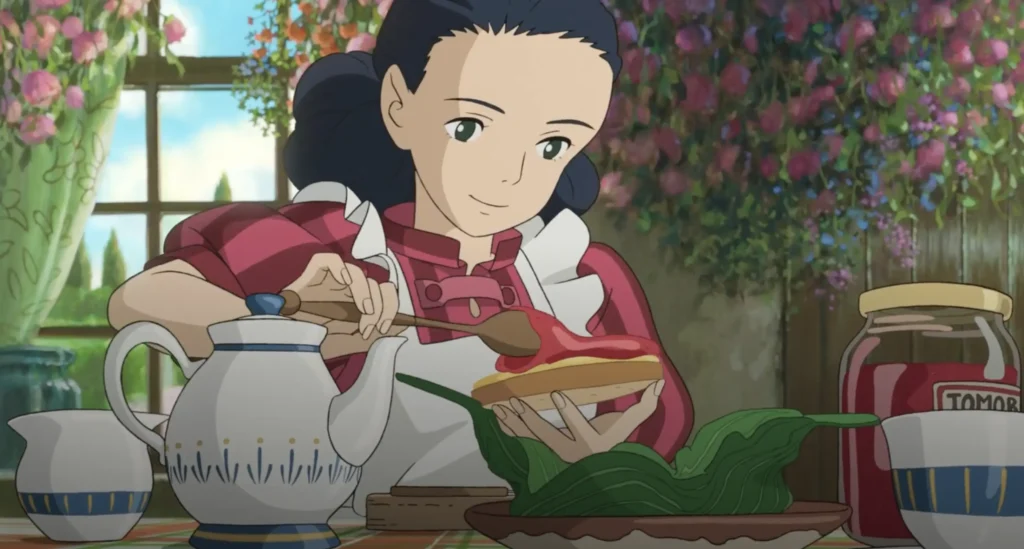
01:26:20
At first, I couldn’t clearly understand the relationship between Himi and Natsuko
Himi—Mahito’s mother and Natsuko’s older sister—appeared in the form of a child
When I first watched this scene, I thought this:
Himi speaks in words that are hard to grasp
Even if the audience doesn’t fully understand,
I want to create something that is truly my own
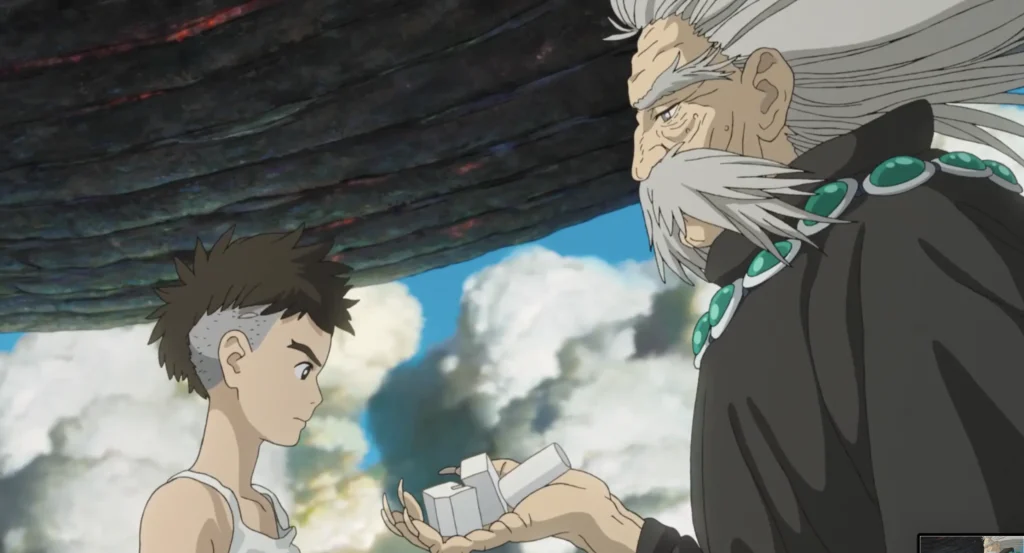
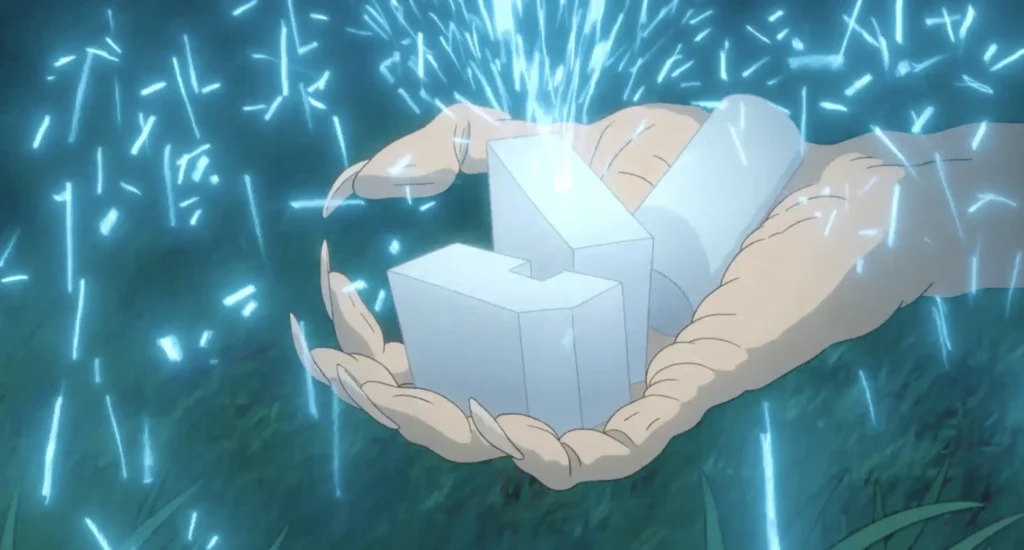
1:39:00
“Whether this world becomes a beautiful one
or an ugly one
depends entirely on your hands.”
All Ghibli films,
including The Boy and the Heron,
are worlds that Hayao Miyazaki chose
and built for himself
And the tower and the blocks
that belong to everyone
exist within their inner world
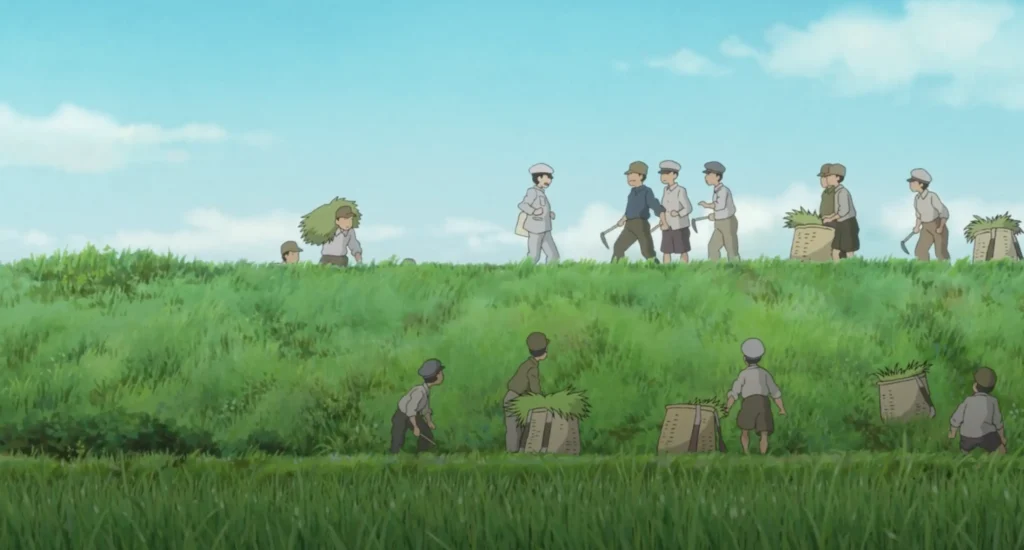
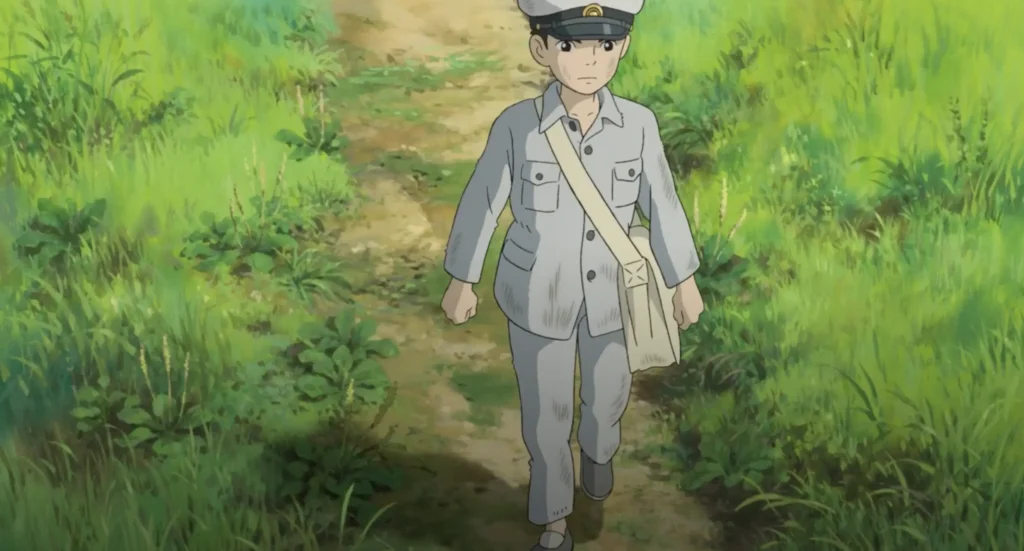
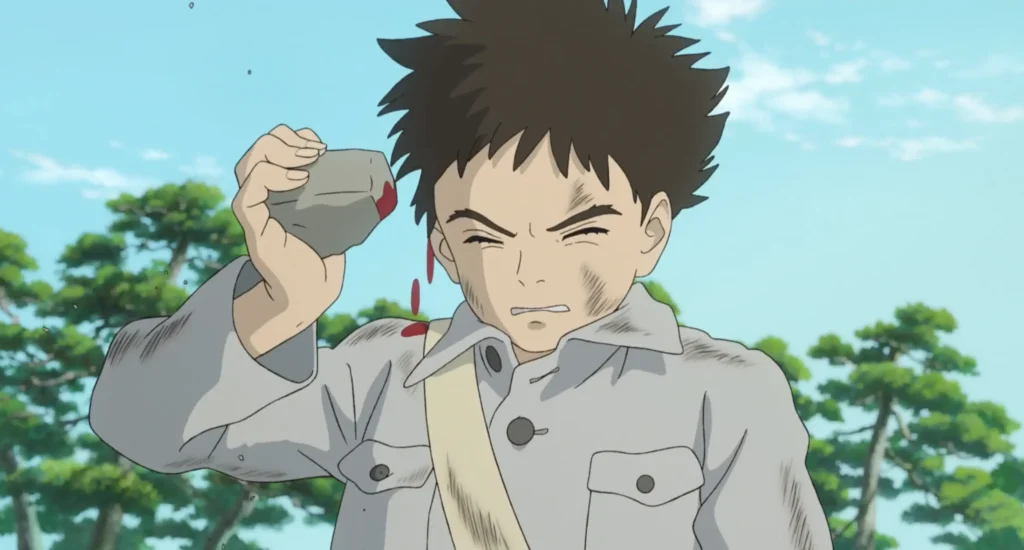
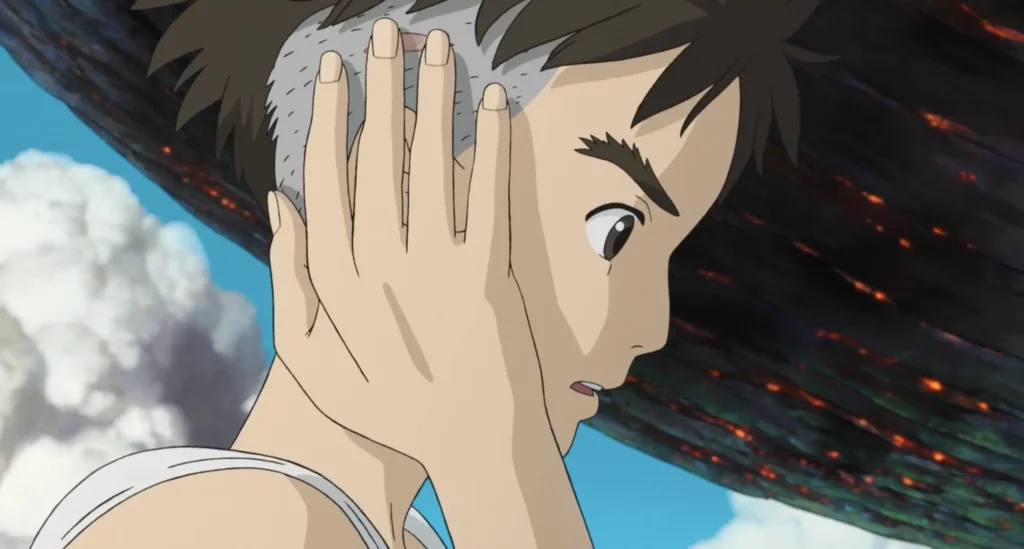
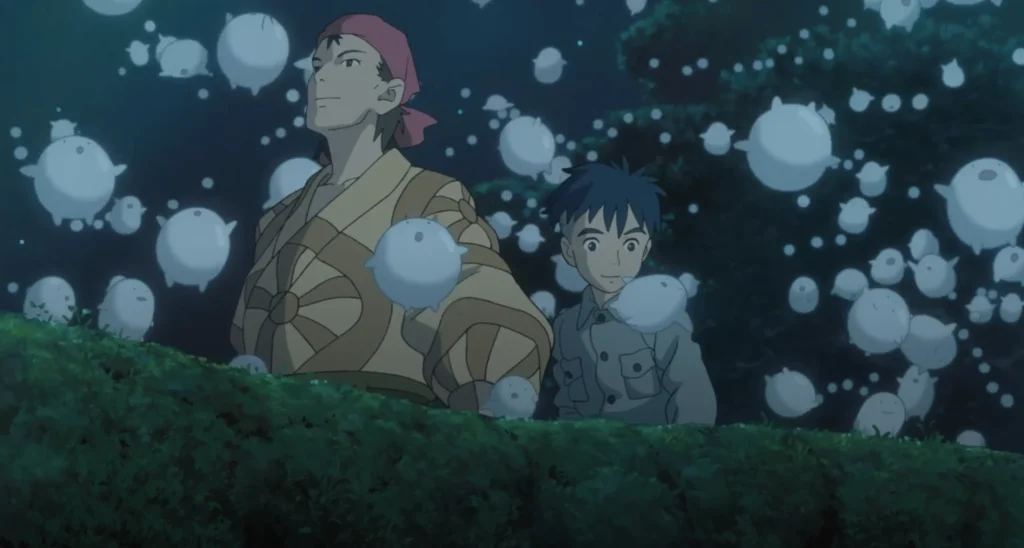
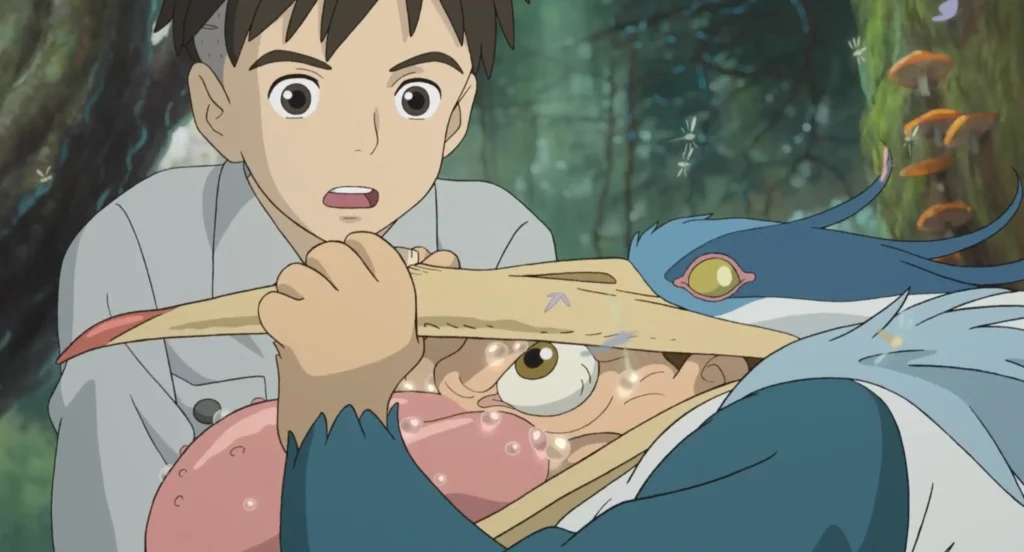
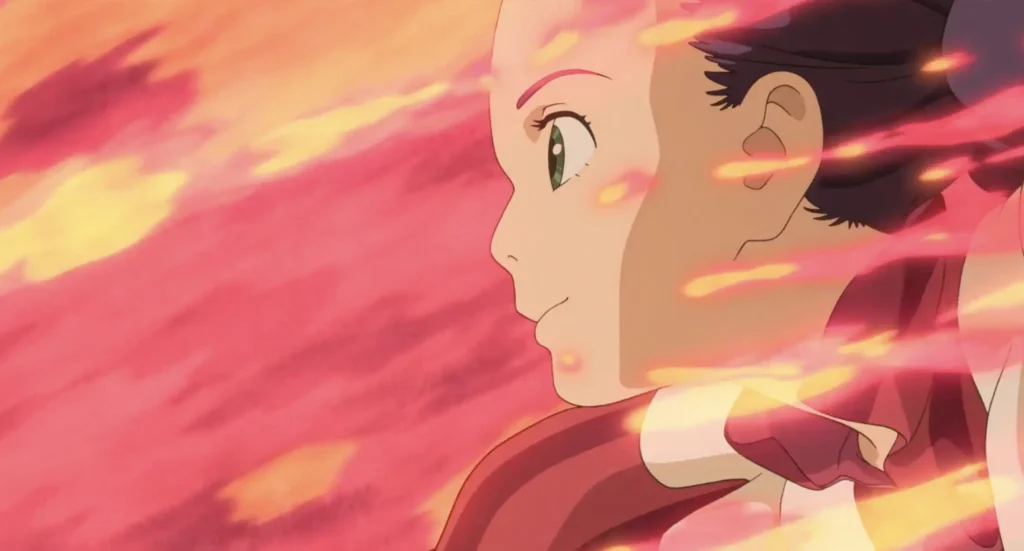
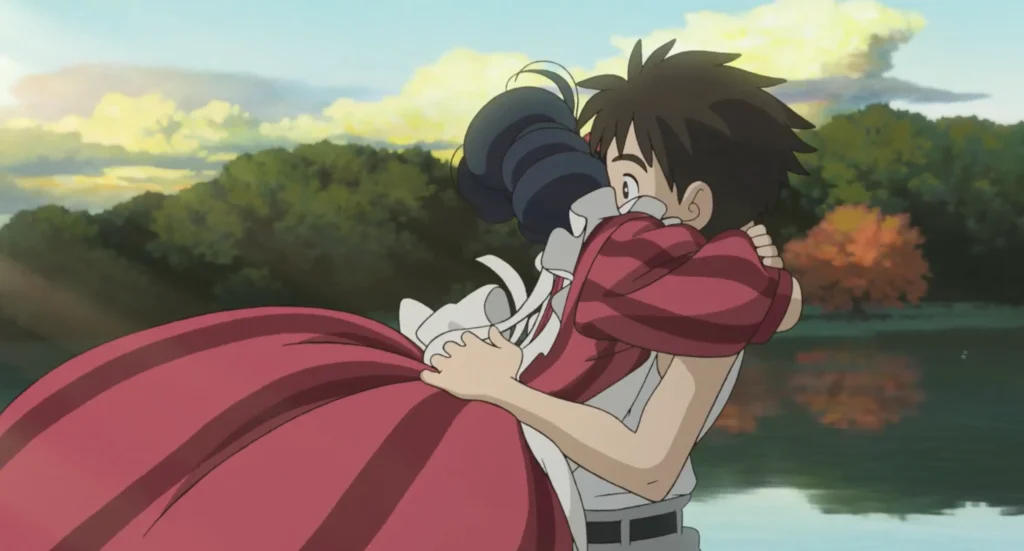
1:52:15
“The world is foolish, but it goes on.
And within it, I’ll make friends—like Himi, Kiriko, and the Heron.”
A small boy who lost his mother in war
and lived with longing and grief
A boy who wandered through life
having lost its meaning
In a new world,
through a series of events,
he makes friends
And in this moment,
he speaks for himself—
his own will
to truly live again
It’s a quietly powerful scene
This film shows, with his entire being,
how Hayao Miyazaki himself has lived
At the same time,
it asks us a question—
how will you live?
And quietly, but firmly,
it tells us
to live
no matter what