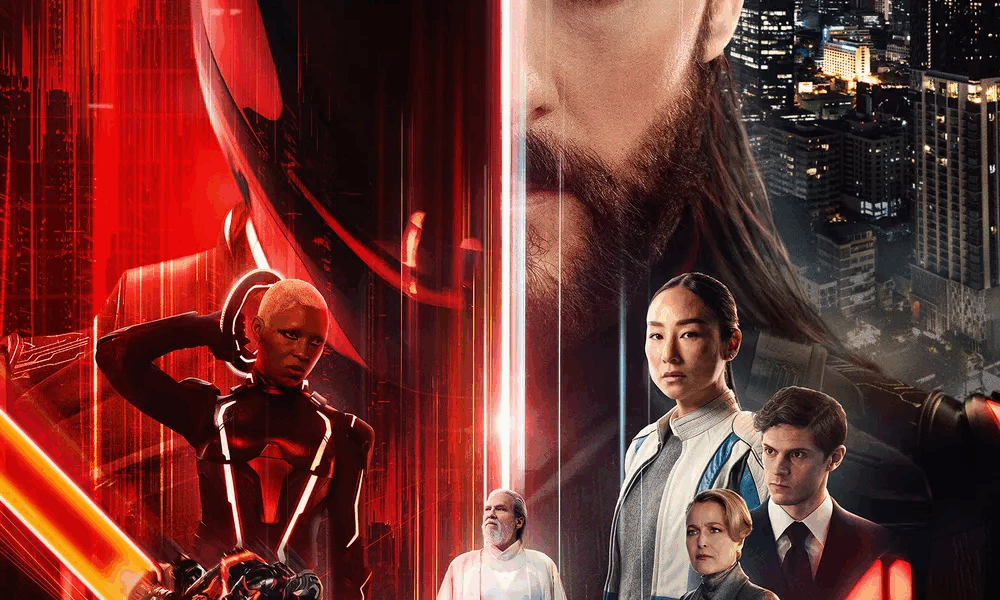
“Living as a Human is Hard” — Reflections on Mortality and Humanity | Tron: Ares Review #1
If my previous post about Tron: Ares focused on a brief, spoiler-free review,
this time I want to dive deeper.
I’ll share my personal thoughts, reflections, and subjective impressions of the film.
<Table of Contents>
Movie Info
Story
Director, Cast & Characters
Worldbuilding
Personal Review (with spoilers — next post)
<Movie Info>

This is a Disney-produced series in the sci-fi and cyberpunk genres.
The latest installment, Tron: Ares, is the third film in the Tron series.

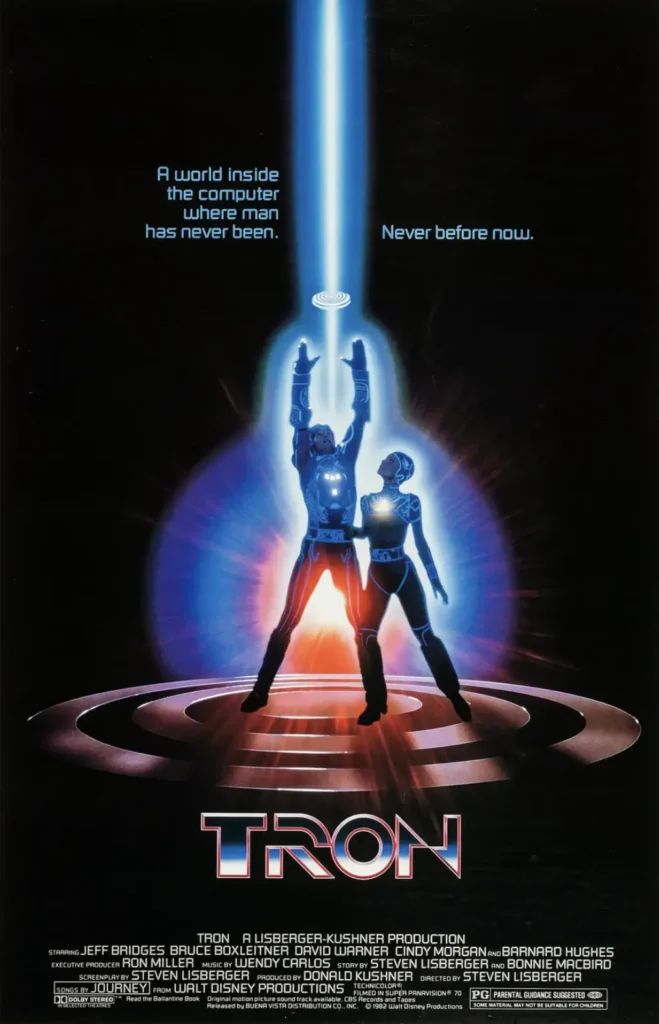

The original Tron (1982) was a box-office flop, and Tron: Legacy (2010) barely broke even.
But once a film is released, it surely finds its audience somewhere.
Tron: Ares follows the same genre as its predecessors and continues their themes.
This time, the story incorporates AI in a way that fits the contemporary era.
(You don’t need to have seen the previous films to enjoy it!)
<Story>
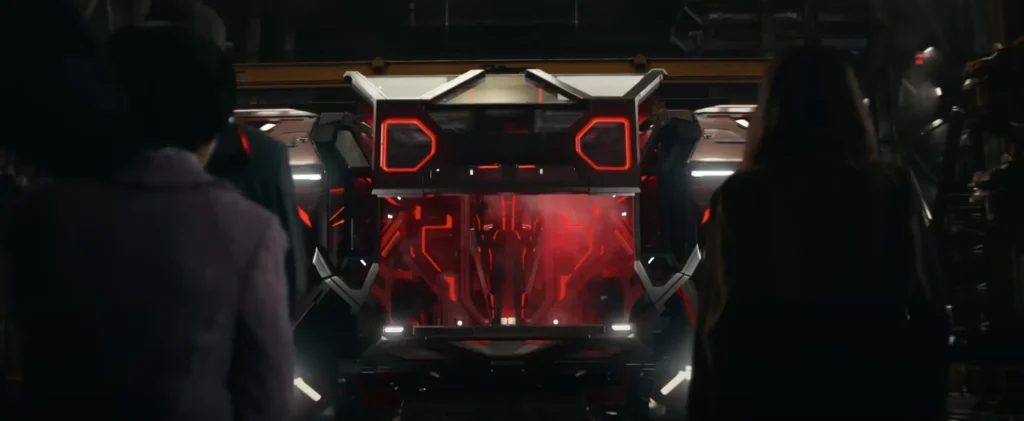

The story follows Ares, a military AI created through technological advancement, as it navigates both the real and virtual worlds, experiencing various events and searching for its own purpose and meaning of life.
Given this genre and premise, it naturally brings to mind other familiar stories like The Matrix, Terminator, and Cyberpunk: Edgerunners.
Still, the core elements and settings of the story feel cohesive, and the messages it conveys through them are compelling.

Separately from the story, one standout feature of Tron: Ares compared to similar films is its VFX shots.
Over 2,000 meticulously crafted and spectacular VFX shots define the film’s visual style, greatly enhancing the intensity and impact of the action scenes.
<Director, Cast & Characters>
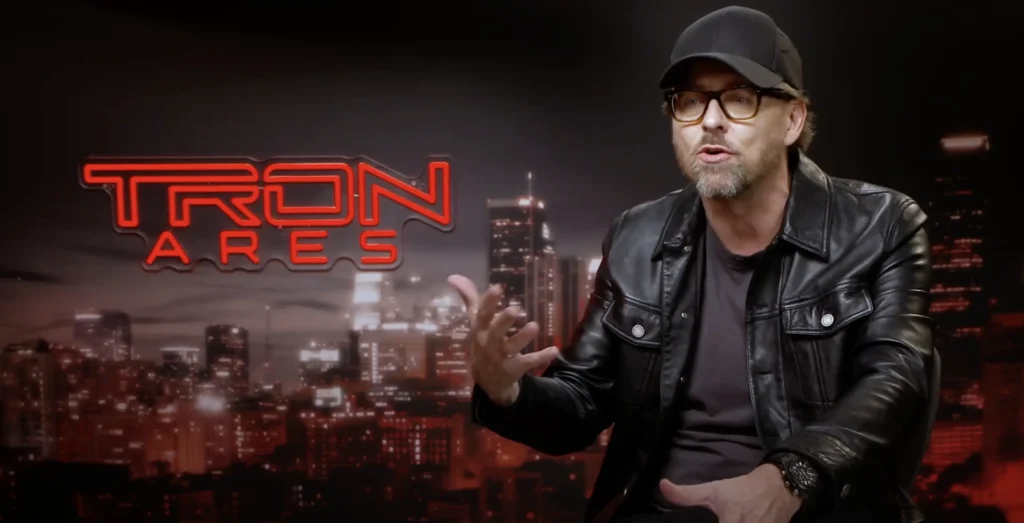
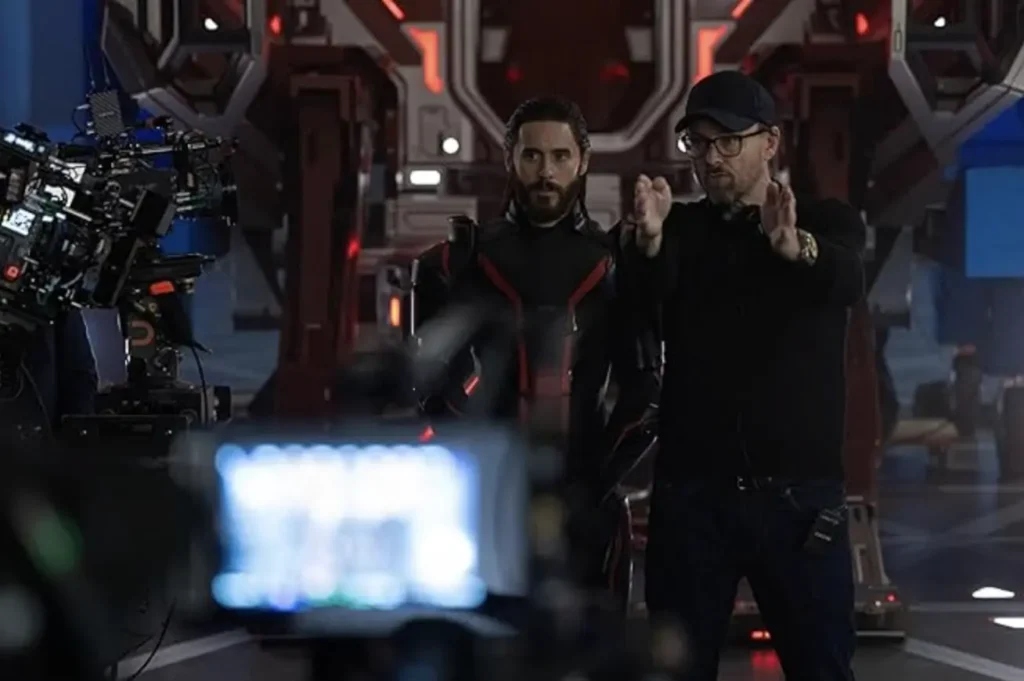
The director is Joachim Rønning, known for films like Pirates of the Caribbean: Dead Men Tell No Tales, Maleficent, and The Sea of Women.
Most of his films, including Tron: Ares, have received positive reviews.
In short, he consistently delivers above-average work!
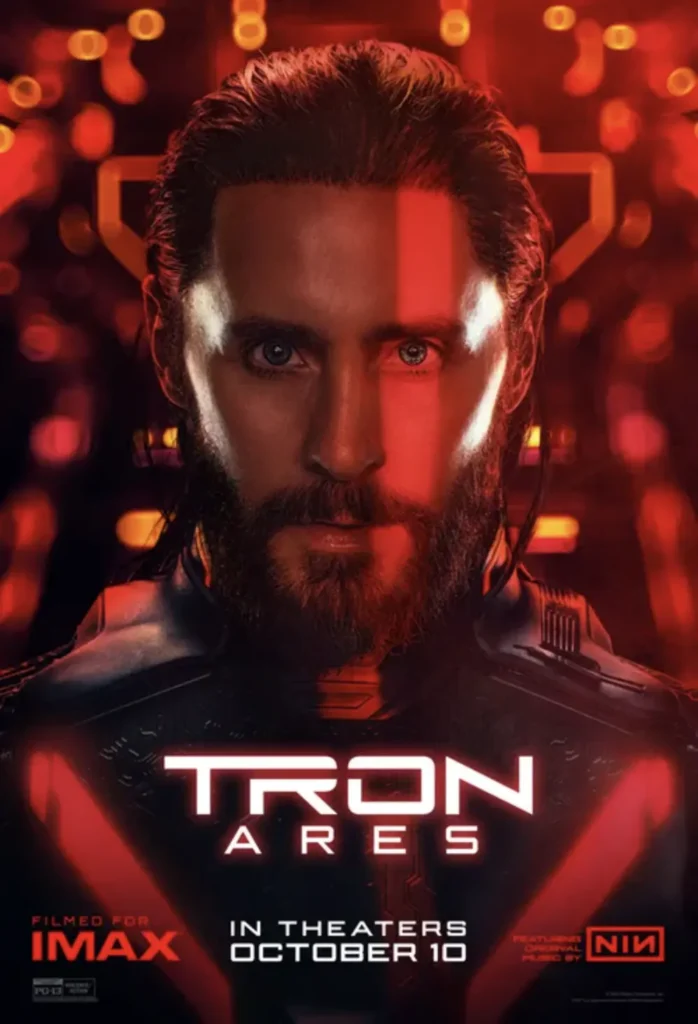

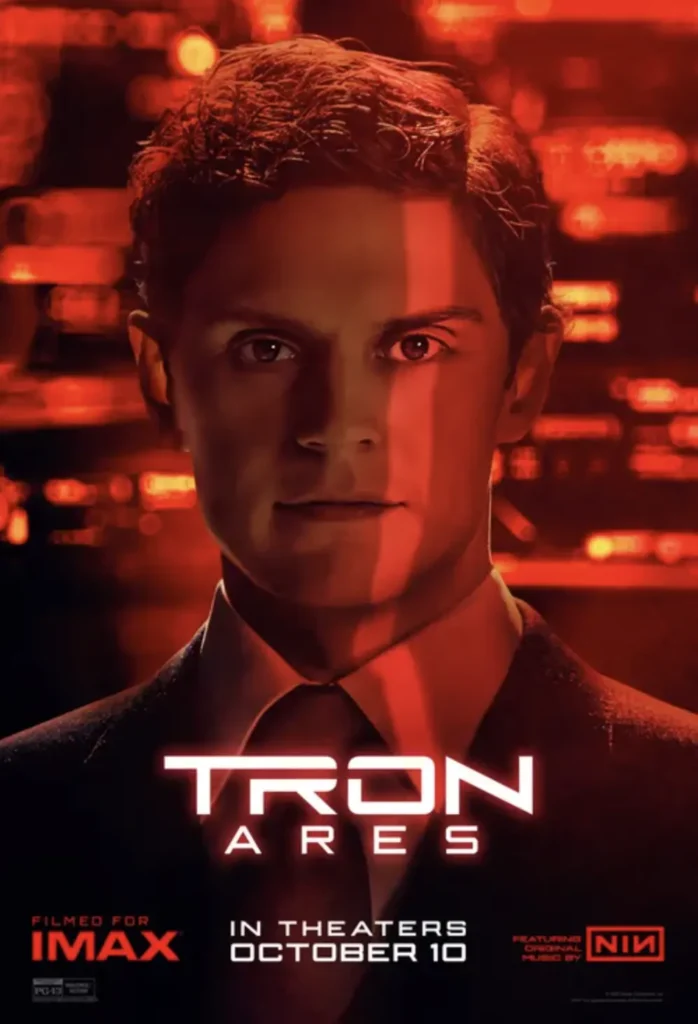

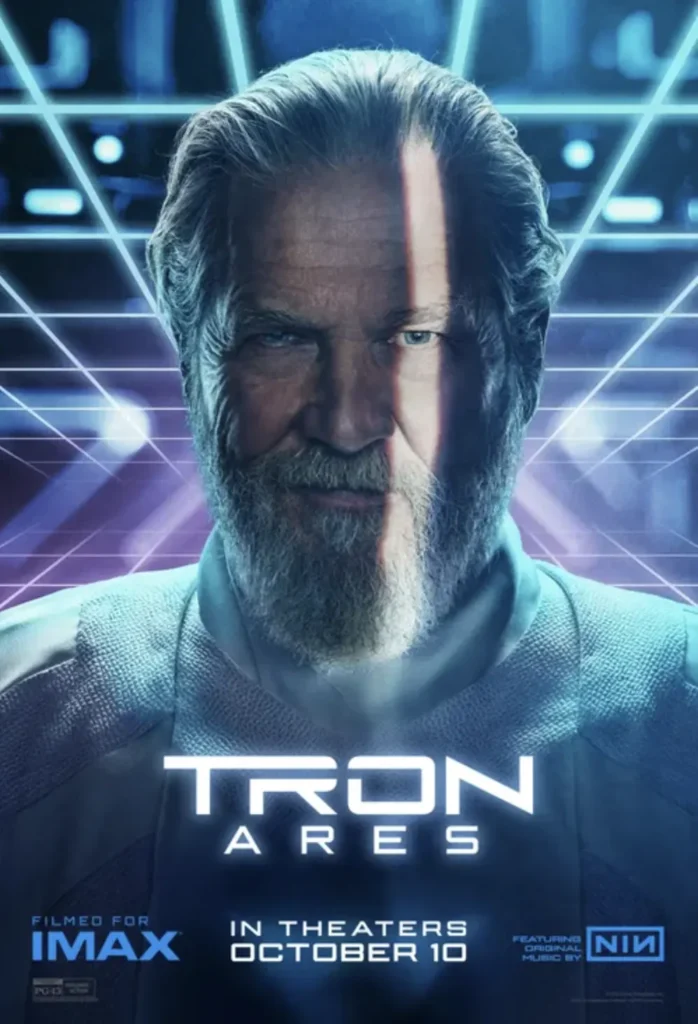
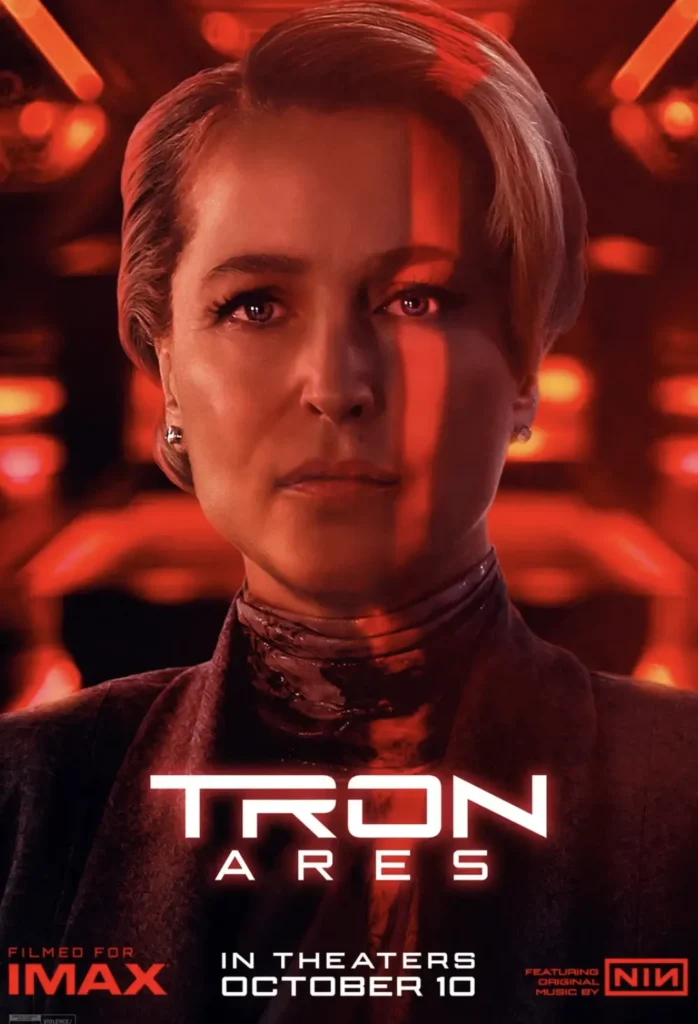
Most of the cast were new to me, but I was impressed by the performances across the board.
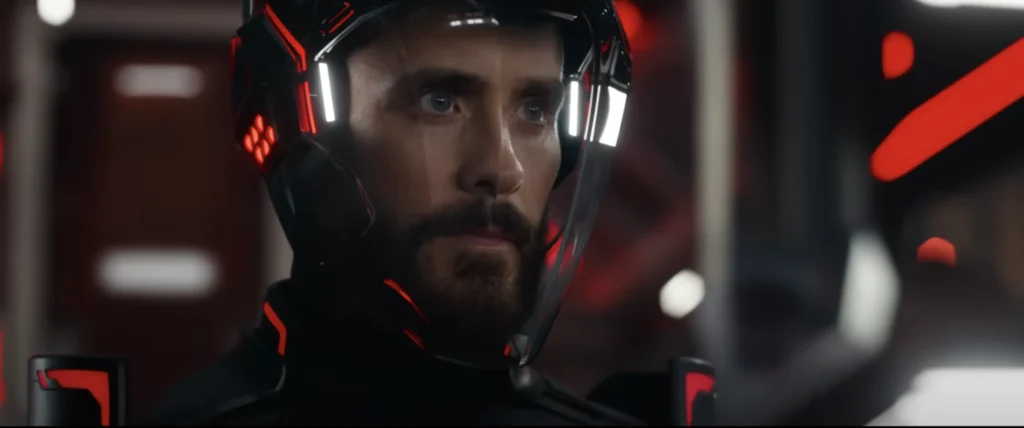
Not only Jared Leto, who plays the protagonist Ares, but all the actors delivered strong performances that really helped me stay immersed in the story.
Particularly memorable were the characters who had to portray AI: Ares and Athena, as well as their master, Dillinger.
Ares—the god of war; Athena—goddess of wisdom and war.
Thinking about their names, they really couldn’t have been better chosen.
<Worldbuilding>
Set in the near future, this film may seem ordinary at first glance—but it definitely isn’t.
Much of that comes from its key world-building choices.
For starters, the real world and the virtual world are clearly separated.
In the real world, two companies—ENCOM and Dillinger Systems—are competing,
while the virtual world, the Grid, was created by Dillinger Systems, the same company that built Ares.



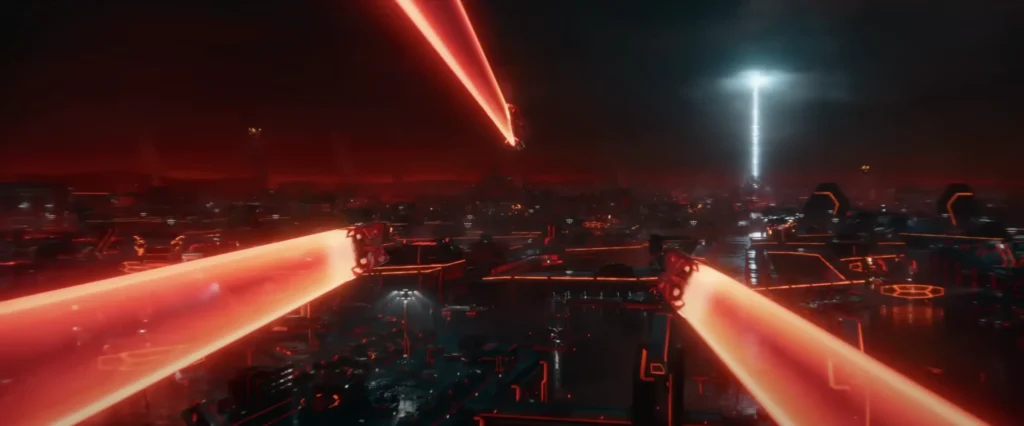
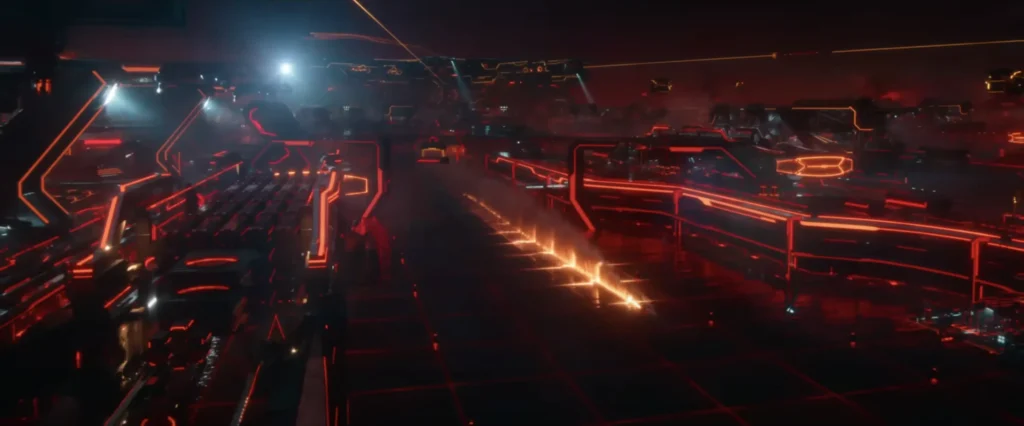
Then, Dillinger summons Ares through the system, saying:
“It’s not us who go—they come to us.”
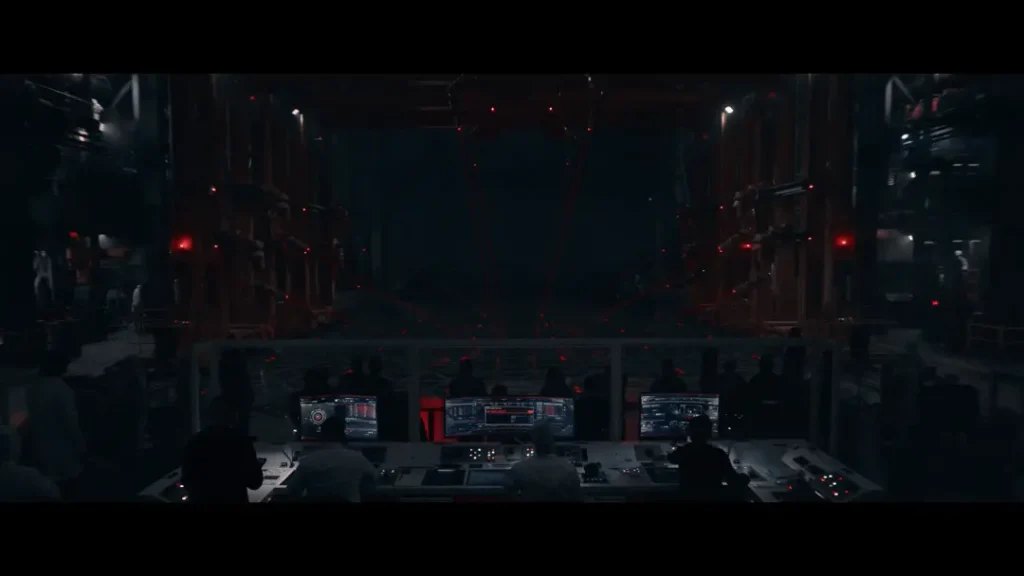
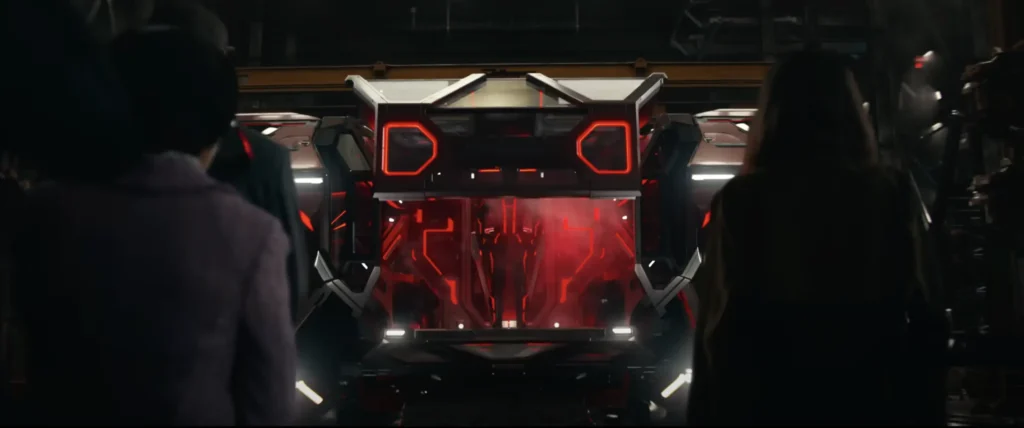
Dillinger Systems symbolizes endless technological advancement, power, and ambition,
while ENCOM represents a more positive influence, using technological progress to contribute to medicine and healthcare.
The contrast between the two companies is striking.

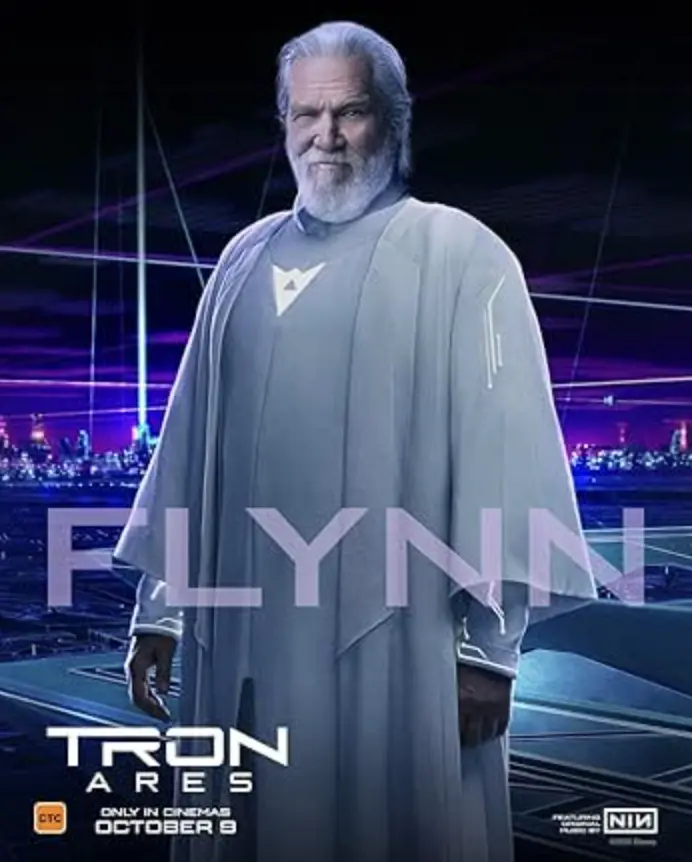
ENCOM is led by its genius programmer and CEO, Eve.
She is on a mission to locate the “Persistence Code”—the ideal digital world left behind by Flynn, the original creator who had a major influence on the Tron series.
In many ways, Eve can be seen as the person carrying Flynn’s vision into the real world.
Additionally, anything brought from the virtual world disappears after 29 minutes.
This is why both companies are vying for the Persistence Code—to overcome the limits of technology.
The pursuit of the Persistence Code also sparks intense battles.
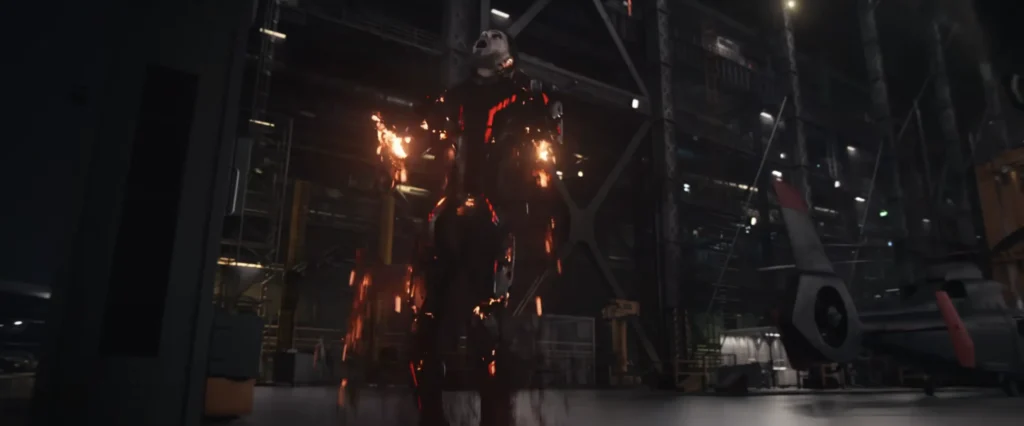
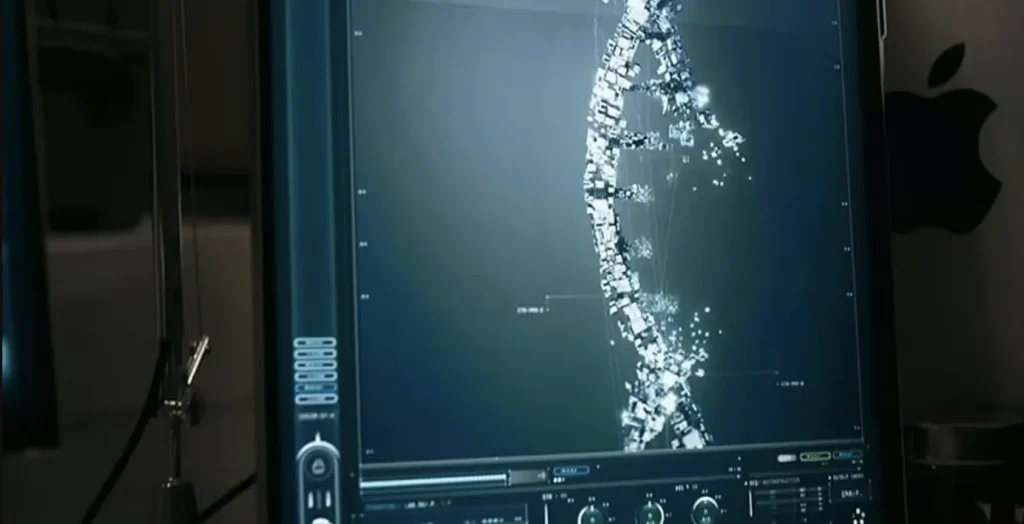
Personally, I think the concepts of bringing elements from the virtual world into reality and their ephemeral nature added a lot of depth to the film.
These ideas also gave me plenty to think about while watching—making the experience even more engaging!
Hmm, as I kept writing, the post got a bit long.
I’ll publish a separate subjective review that will inevitably include spoilers.
See you in the next post—stay tuned!